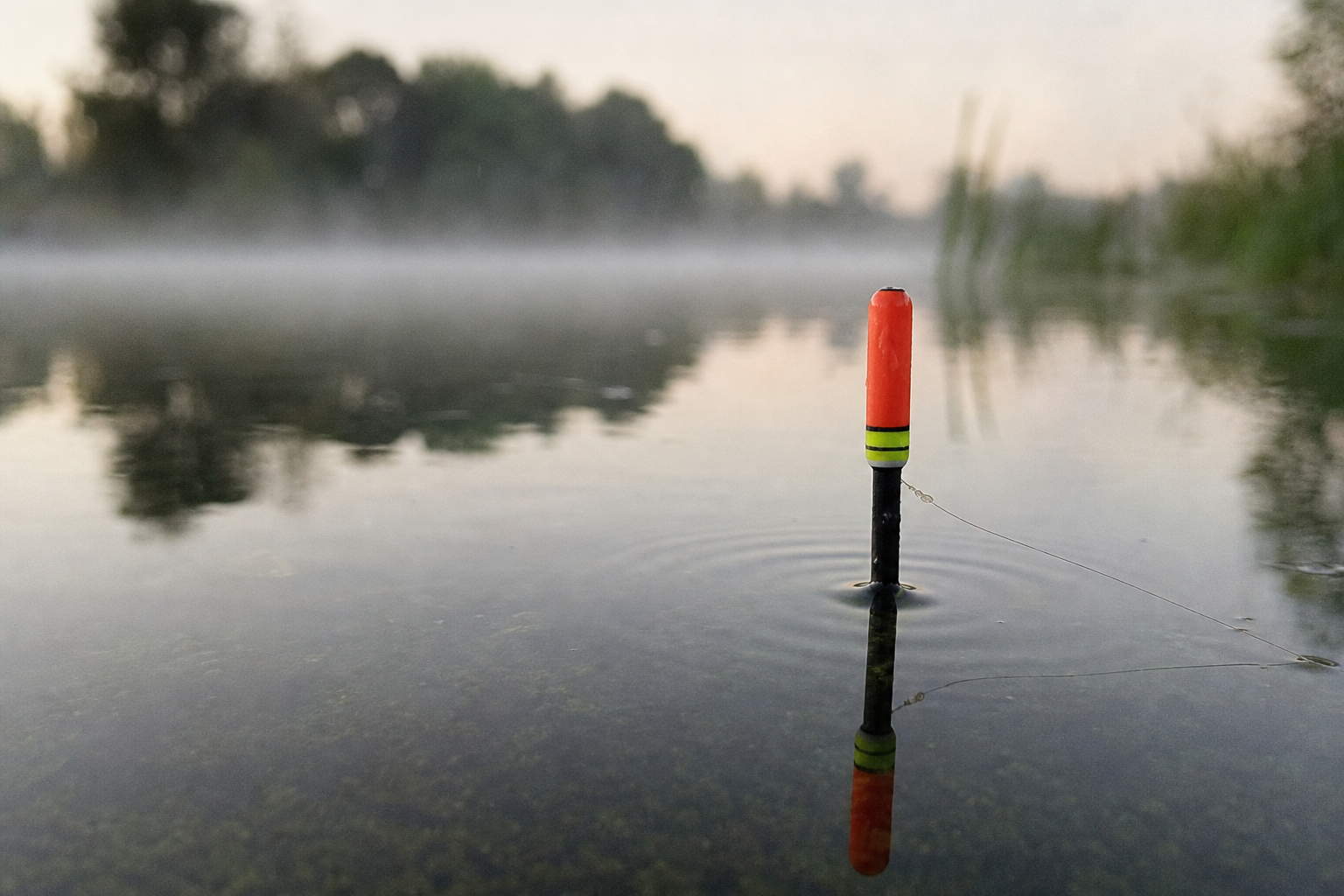
Coarse fishing for beginners: what to expect on your first day at a lake
A concise starter guide to coarse fishing for beginners in England and Wales. Covers licences, day tickets, essential kit, bait and step by step first lake session advice.
At a Glance
- Coarse fishing for beginners focuses on non-game species such as roach, perch and carp on stillwaters.
- You need both an Environment Agency rod licence and a separate day ticket for the fishery you visit.
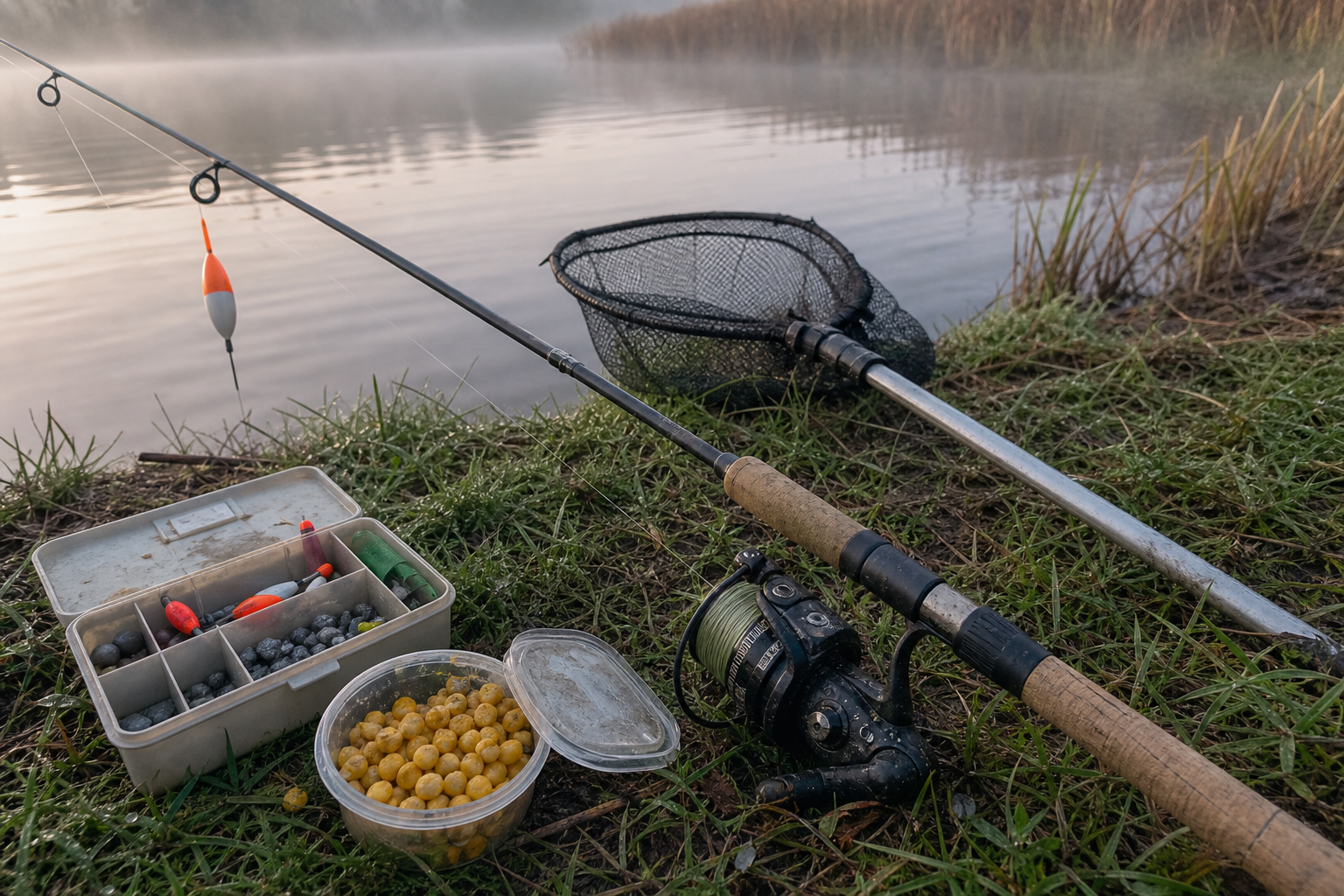
- Essentials are a float rod and reel, 4–6 lb mono, floats, barbless hooks, a landing net, disgorger and an unhooking mat.
- Commercial stillwaters are ideal first waters for their facilities, stocked fish and on-site help.
- A typical first session lasts three to four hours; practise plumbing depth, feeding a swim and safe fish handling.
Coarse fishing for beginners in the UK can feel like a lot to take in at once — rods, licences, floats, bait — but the basics are straightforward once you know what you are actually being asked to do. Most people who start fishing as adults share the same concern: that there is some unwritten rulebook everyone else has already read. There isn't. What there is is a short list of practical steps, a small amount of affordable equipment, and a style of fishing that rewards patience far more than expertise.
This guide covers what coarse fishing involves, what you need to sort out before you arrive at the water, what to bring, and what to do when you get there. It is written for anyone starting from scratch, whether you have never held a rod in your life or you last fished as a child and want to pick it up again.
What coarse fishing actually means
Coarse fishing is freshwater fishing for non-game species. In practice, that means targeting fish such as roach, perch, bream, tench and carp — species found widely across England and Wales in lakes, rivers and canals.
The distinction between coarse and game fishing is simple: game fishing refers to salmon and trout, typically pursued with a fly rod on rivers and reservoirs. Coarse fishing covers everything else. The techniques are different, the equipment is different and, for most beginners, coarse fishing on a still lake is the more accessible starting point by a considerable margin.
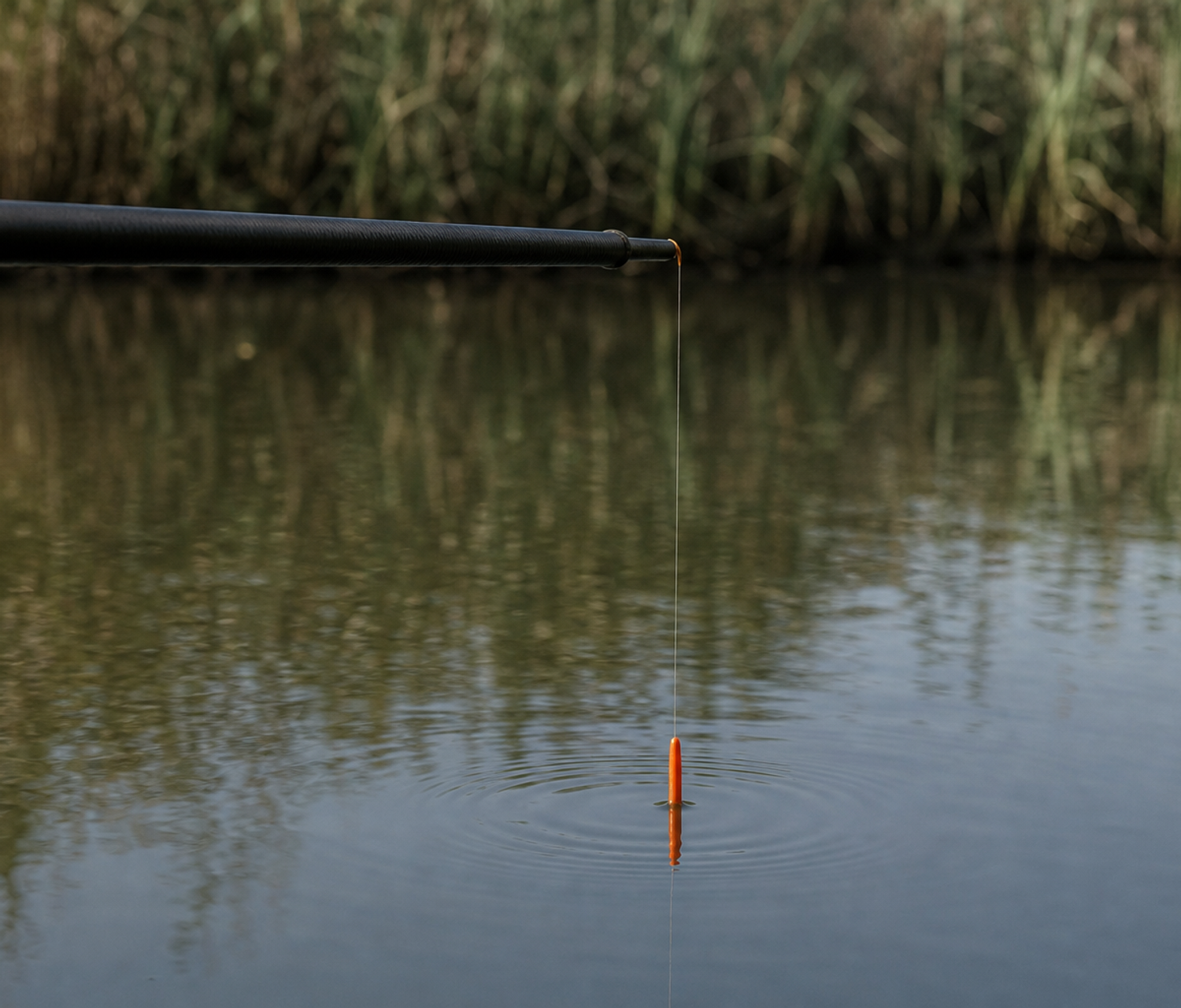
For a first session, a commercial stillwater is the right choice. These are privately managed lakes stocked with fish and set up specifically for day visitors. They have facilities, clearly defined rules, and fish in numbers that give beginners a genuine chance of catching something. Float fishing — casting a float rig and watching the tip for movement — is the recommended method to start with. It is easy to set up, satisfying to watch and gives you a clear visual signal when a fish takes the bait. Feeder fishing (casting a weighted cage that releases bait on the lakebed) is a natural next step once you are comfortable with the basics.
Sorting your licence and day ticket before you fish
Before you cast a line in England or Wales, you need two separate things: a rod licence and permission to fish the specific water you have chosen. These are not the same thing, and you need both.
The rod licence is issued by the Environment Agency. Anyone aged 13 or over fishing in England or Wales needs one. If you are under 13, you are exempt. Anglers aged 13 to 16 qualify for a free licence. The licence covers you legally to fish; it does not grant access to any particular water.
Licences are available online through GOV.UK or by phoning the Environment Agency on 0344 800 5386. You can buy a one-day licence if you want to try fishing before committing to a full year.
The table below shows the current prices, which apply from 1 April 2025. These rates are specific to England and Wales. Scotland and Northern Ireland have separate licensing arrangements and the prices and rules differ.
| Licence type | Duration | Rods covered | Price |
|---|---|---|---|
| Trout and coarse | 1 day | Up to 2 | £7.30 |
| Trout and coarse | 8 days | Up to 2 | £14.70 |
| Trout and coarse | 12 months | Up to 2 | £36.80 |
| Trout and coarse | 12 months | Up to 3 | £55.30 |
| Concessionary (66+ or disabled) | 12 months | Up to 2 | £24.50 |
| Junior (aged 13–16) | 12 months | Up to 2 | Free |
The day ticket is separate. This is the permission you buy from the fishery owner or a club to fish their water on a given day. Most commercial stillwaters sell day tickets at the fishery office on arrival, or through an online booking system. Prices vary by venue but typically fall between £7 and £15 for a day session. Some waters operate on a club membership basis rather than a pay-on-the-day arrangement, but commercial fisheries almost always offer day tickets to visitors.
For a full explanation of both requirements, including how to buy a licence and what to look for when choosing a day ticket water, see the guide to fishing licences and day tickets.
What you need for your first session
The equipment list for a first coarse fishing session is shorter than most beginners expect. You do not need a car full of gear. The essentials fit in a small bag.
The core tackle
A float rod of 10 to 12 feet is the right starting point. These rods are light, easy to handle and designed for the kind of close-range float fishing you will be doing on a commercial lake. Pair it with a fixed-spool reel in the 2000 to 3000 size range, loaded with 4 to 6 lb monofilament line. Monofilament (mono) is a single-strand nylon line; it is inexpensive, forgiving and well suited to float fishing.
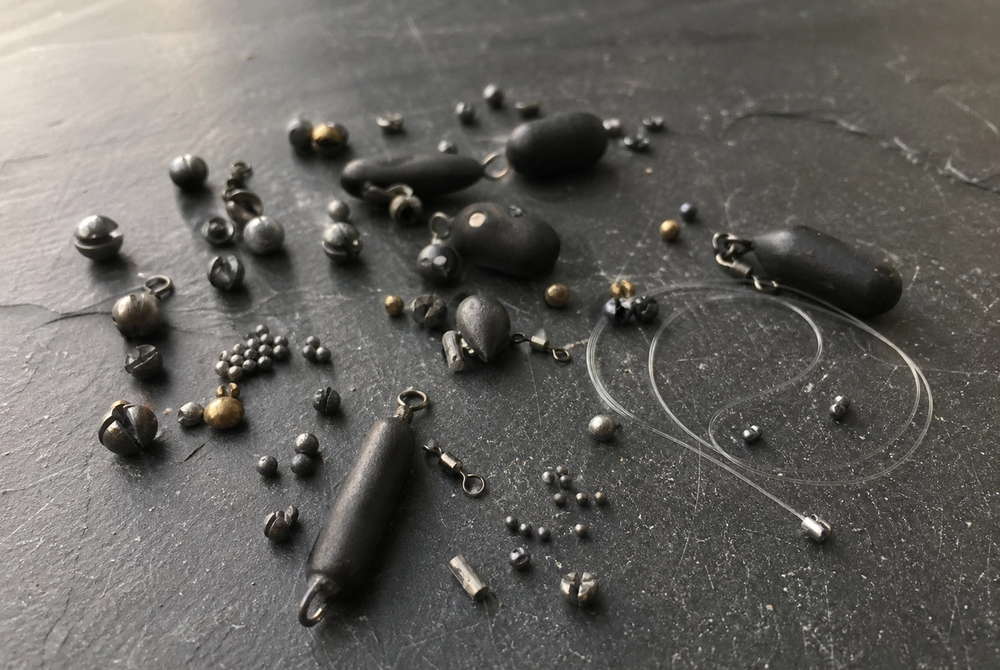
For terminal tackle (the components attached to the end of your line), you need a small selection of waggler floats, some split shot (the small pinch-on weights used to cock the float correctly in the water) and a range of barbless hooks in sizes 12 to 18. Barbless hooks are required at most commercial fisheries and make unhooking fish much easier. Size 12 is larger; size 18 is small. A size 16 is a reasonable all-round starting point.
Fish care kit
A disgorger (a simple plastic tool for removing hooks), a landing net and an unhooking mat are not optional. Most commercial fisheries require an unhooking mat when handling carp, and it is a reasonable precaution for any fish. These items cost very little and are part of fishing responsibly, not an extra burden.
Bait to start with
Three baits cover most situations on a commercial lake:
Maggots are the universal beginner's bait. They work for almost every species and are available from any tackle shop. Buy half a pint to start with. Sweetcorn (the tinned kind, rinsed) works well for carp and bream, which are the dominant species on most commercial stillwaters. Bread flake (a pinched piece of fresh white bread pressed onto the hook) is particularly good for roach and other silver fish. You do not need all three on a first trip; maggots alone will serve you well.
Keep your first kit list short
You do not need a full tackle box for a first session. A rod, reel, a few floats, some shot, a packet of barbless hooks, a disgorger, a landing net and half a pint of maggots will cover most situations on a commercial lake. Add to your kit as you learn what you actually need.
For a full breakdown of what to buy, what to spend and what to leave for later, see the coarse fishing kit checklist.
Choosing your first water
Why commercial stillwaters suit beginners
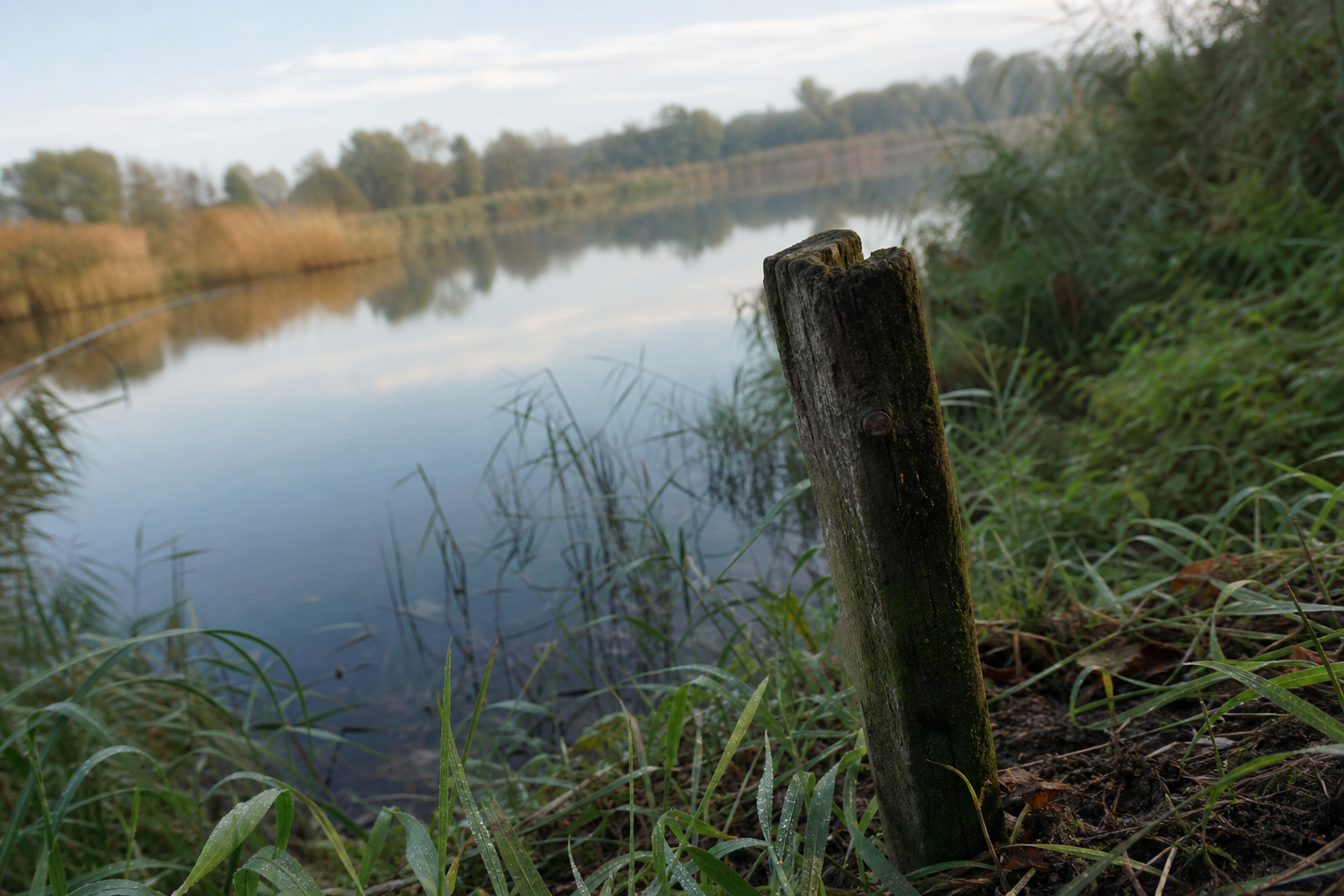
A commercial fishery is a privately managed lake (or series of lakes) stocked with fish and run as a business for visiting anglers. Most have car parks, toilets, an on-site office or tackle shop and bankside pegs: numbered, level platforms beside the water where you set up and fish. A bailiff (a member of staff or a permit-holder who patrols the fishery) is usually on site, which means there is someone to answer questions, check licences and day tickets, and point you towards a peg that suits your experience level.
The fish stocks on a commercial lake are reliable. Carp, roach, perch, bream and tench are common, and the fish are used to being fed and caught regularly, which makes them more willing to take a bait. Day tickets are straightforward to buy, the rules are clearly posted, and the facilities make a half-day session genuinely comfortable.
All of this matters when you are starting out. You have enough to think about without also navigating difficult access, uneven banks or uncertain fish stocks.
A note on rivers and canals
Rivers are more complex to fish than lakes. The current affects how you present a bait, the depth varies across the width of the river, and conditions change with rainfall. There is also a statutory close season on rivers in England and Wales: it is illegal to fish for coarse fish on rivers between 15 March and 15 June inclusive. If you happen to find a nearby river and head out in early spring without knowing this, you could be fishing illegally. The close season does not normally apply to most stillwaters and canals, but always check the rules for the specific water you plan to visit.
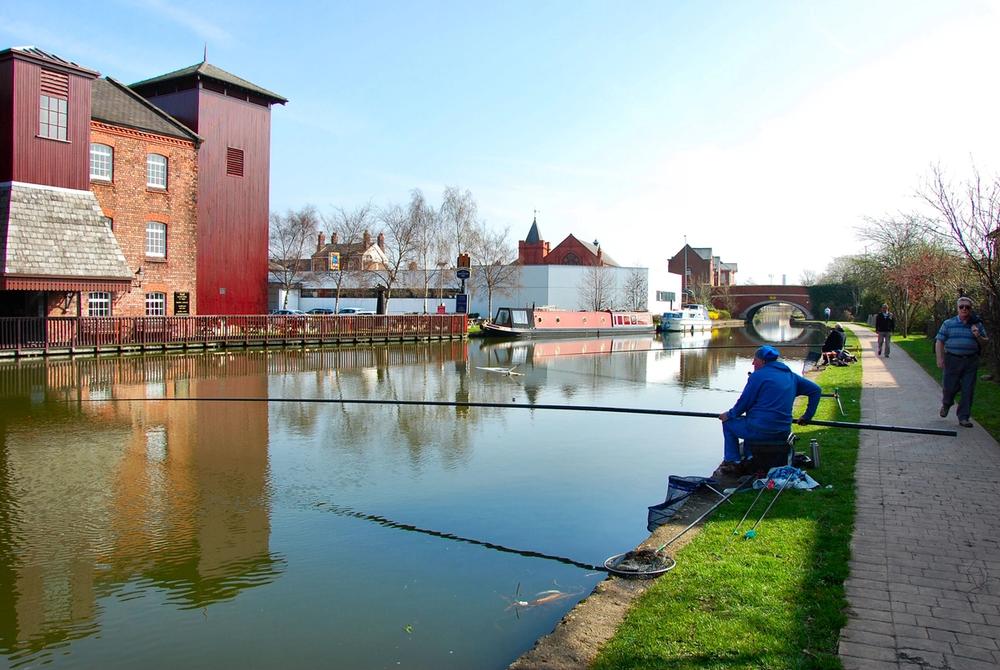
Canals are a reasonable alternative to rivers for beginners, but most do not offer the same facilities, stocking levels or bankside comfort as a commercial lake. Start on a well-run stillwater, build your confidence and technique, then explore rivers and canals from a more solid footing.
For advice on what to expect when you visit a commercial fishery for the first time, see the guide to your first commercial fishery visit.
What to do when you arrive
The steps below cover a typical first lake session in order. Each one is straightforward on its own; the skill comes from putting them together calmly.
Your first lake session, step by step
Buy your licence and day ticket
Sort both before you cast. Your rod licence must be valid for the day. Buy your day ticket at the fishery office or from the bailiff on arrival.
Check the fishery rules
Barbless hooks, net sizes and unhooking mats are commonly required. Ask at the office if the rules are not posted.
Pick your swim
Choose a comfortable, stable peg with room to use a landing net. Look for features like reed beds or an island at sensible casting distance. You do not need to cast far.
Plumb the depth
Clip a plummet to your hook and lower it to the bottom at your chosen spot. Slide the float up or down the line until only the tip shows above the surface. This tells you how deep the water is and sets your bait at the right level.
Set up your float rig
Shot the float using the sizes shown on its body. Place the bulk of the shot towards the bottom of the rig and a smaller shot near the hook. Only the tip of the float should sit above the water.
Feed the swim
Before you cast, throw in a small handful of maggots or a few grains of corn. Keep feeding little and often throughout your session — every few minutes is about right — to attract and hold fish near your hook.
Strike and play the fish
When the float dips and stays under, lift the rod tip smoothly to set the hook. Keep the rod tip up, use steady pressure and guide the fish into the landing net. Do not rush it.
Handle and return the fish
Wet your hands before touching the fish. Use a disgorger if the hook is not easily visible. Support the fish fully, return it gently and watch it swim away.
A few of these steps are worth expanding. Plumbing the depth (step four) is simply finding out how deep your swim is so you can set the float correctly. A plummet is a small clip-on weight; most tackle shops sell them for very little. Feeding the swim (step six) means introducing a small amount of free bait near your hook before and during fishing. The idea is to bring fish into the area and keep them interested, but not to overfeed them so they ignore your hook bait.
Striking (step seven) does not mean yanking the rod skyward. A smooth, controlled lift of the rod tip is enough to set a small barbless hook. Handling and returning (step eight) is as important as any other part of the session. Wet hands reduce damage to the fish's protective mucus layer. An unhooking mat protects carp, which are heavier and can be injured on hard or rough ground. Take your time, support the fish properly and lower it back into the water gently.
For a detailed walkthrough of setting up a float rig, see the float fishing setup guide. For full guidance on handling and returning fish, see the coarse fish care guide.
What a first session realistically looks like
A session of three to four hours is a sensible first visit. It gives you enough time to get set up, fish properly and not feel rushed, without turning into an endurance test if things are slow.
You may not catch anything. That is completely normal, and it does not mean you did anything wrong. Fish feed when they choose to, and conditions, water temperature, time of year and even barometric pressure all play a part. On a well-stocked commercial lake, the chances of a few bites are reasonable, but they are not guaranteed. What you will come away with is a practical understanding of how the equipment works and what the experience actually feels like, which is more useful than a full net on a day when you did not know what you were doing.
The cost of a first trip is manageable. A one-day rod licence costs £7.30. A day ticket at a commercial fishery typically adds another £7 to £15. Entry-level float rod and reel combinations start at around £30 to £40 from reputable tackle brands, and a basic set of floats, shot, hooks and a disgorger adds very little. Bait for a half-day session costs a few pounds. A first trip, including tackle you will use for years, can comfortably be kept under £100.
Most UK fisheries are welcoming to newcomers. The angling community is not, in practice, the exclusive or intimidating world that some people imagine. If you are not sure which peg to choose, ask at the office. If you are unsure how deep to fish, ask the bailiff. If you cannot work out why the float keeps lying flat, ask the angler in the next peg. Most will be glad to help.
If you would rather not go alone for a first session, the Angling Trust's Get Fishing scheme runs taster sessions and coached beginner days at fisheries across England and Wales. These are designed specifically for people who have never fished before, and they are a genuinely low-pressure way to learn the basics with someone experienced alongside you.
The groundwork is done. You know what coarse fishing is, what the law requires, what to pack and what to do when you get to the water. The next step is practical: pick a fishery, sort your licence and get out there. The first session is always the biggest leap; everything after it is a gradual build.
Frequently asked questions
Do I need a licence to coarse fish in England and Wales?
Yes. Anyone aged 13 or over must have an Environment Agency rod licence. Juniors aged 13 to 16 get a free licence. A licence does not replace a day ticket for a specific fishery.
What is a day ticket and where do I get one?
A day ticket is permission from the fishery owner to fish that water for the day. Buy it at the fishery office, from a bailiff or via the venue's online booking system.
What kit do I need for my first coarse fishing session?
Start small: a 10–12 ft float rod, a 2000–3000 fixed spool reel, 4–6 lb mono line, waggler floats, split shot, barbless hooks, a landing net, disgorger and an unhooking mat.
Which bait works best for beginners?
Maggots are the most versatile beginner bait and suit most species. Sweetcorn and bread flake are also useful options for carp, bream and roach.
What should I expect on my first lake session?
Expect to spend three to four hours learning kit setup, depth plumbing and feeding the swim. You may or may not catch fish, but you will learn the practical steps and gain confidence.
Lake & Lines Editorial Team
Editorial team
The Lake & Lines editorial team brings together freshwater fishing guides and researched tackle advice, helping beginners and returning anglers prepare for better days by the water.