Your coarse fishing kit checklist: what you actually need to get started
A practical coarse fishing kit checklist for beginners: arrange a rod licence and permission, then get a rod and reel, net, unhooking kit, basic tackle and bait. Most extras can wait.
At a Glance
- Sort paperwork first: buy a rod licence and get permission for the water before you arrive.
- Pack the essentials: rod and reel with line, hooks, float or feeders, non-toxic weights, landing net and unhooking kit, and bait.
- Choose float or feeder based on venue; both work for a first stillwater session.
- Follow fish care and biosecurity: use knotless nets, wet your hands, return fish quickly and clean and dry kit between waters.
- Expect to spend roughly £150 to £200 for a workable beginner setup or consider a pre-built starter kit.
If you've decided to go coarse fishing and you're not sure what to bring, here's the short answer: a rod and reel set up with line, a handful of basic end tackle items, a landing net and unhooking kit, some bait, a valid rod licence, and permission to fish the water. A sensible coarse fishing kit checklist doesn't need to be long or expensive. Everything beyond those essentials is comfort or upgrade territory, and most of it can wait.
Before the tackle: your rod licence and fishery permission
This section comes first because it catches a lot of first-time anglers off guard. The tackle is easy to sort out. The paperwork needs to happen before you arrive at the water.
The rod licence (England and Wales)
A rod licence is a legal requirement in England and Wales for anyone intending to fish for coarse fish. It is issued by the Environment Agency and must be purchased before you start fishing, not once you get there.
From 1 April 2025, the adult coarse and trout licence (covering up to two rods) costs £36.80 for 12 months. If you want to try fishing before committing to a full year, a 1-day licence costs £7.30 and an 8-day licence costs £14.70. Concession rates apply for anglers aged 66 or over and for disabled anglers. You can buy your licence through the Government website at gov.uk.
If you're fishing in Scotland or Northern Ireland, different agencies and rules apply. This article covers England and Wales only. Check with the relevant local authority before fishing elsewhere in the UK.
Permission to fish the water
The rod licence covers your legal right to fish in England and Wales. It does not give you the right to fish any particular water. For that, you need separate permission from whoever holds the fishing rights.
At most fisheries this means buying a day ticket, either at the gate, from a ticket machine on site, or occasionally online in advance. Some waters are controlled by angling clubs, in which case you'll need club membership or a club day ticket. Check before you go: some venues require advance booking, especially at weekends.
Two permissions, not one
Your rod licence covers you to fish legally in England and Wales, but it does not give you the right to fish any specific water. You also need permission from whoever controls the fishing rights, usually a day ticket from the fishery or membership of the local angling club.
The coarse fishing kit checklist: what to bring on your first session
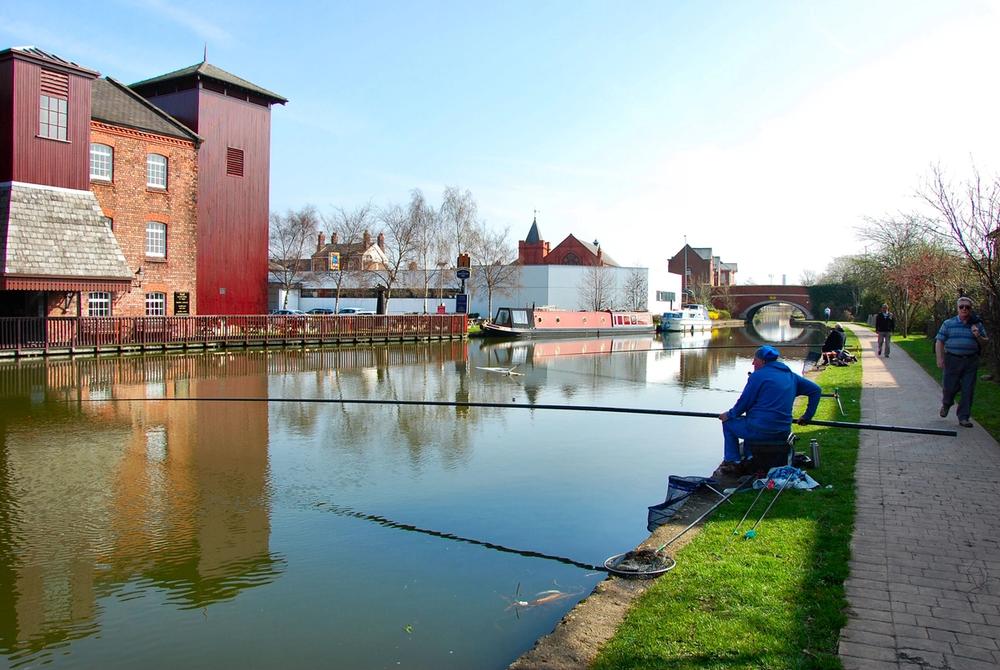
The list below is structured around a simple stillwater or canal session, which is the most straightforward setting for a first outing. Items are arranged from essential to useful-but-not-mandatory. Buy the essentials first; the rest can follow once you know you enjoy it.
The essentials you cannot fish without
- Rod. A 9 to 11 ft medium-action rod is a practical all-round choice for stillwater fishing. It will handle float fishing and basic feeder fishing without being awkward to carry or use. Entry-level rods in this range typically cost £35 to £45.
- Reel and line. A fixed-spool reel in the 3000 to 4000 size, pre-spooled with 4 to 6 lb monofilament mainline, is a straightforward and capable starting combination. Many beginner rod-and-reel sets are sold pre-spooled, which removes one complication. If you need to spool up yourself, a 100 to 300 m spool of monofilament costs £4.50 to £10.
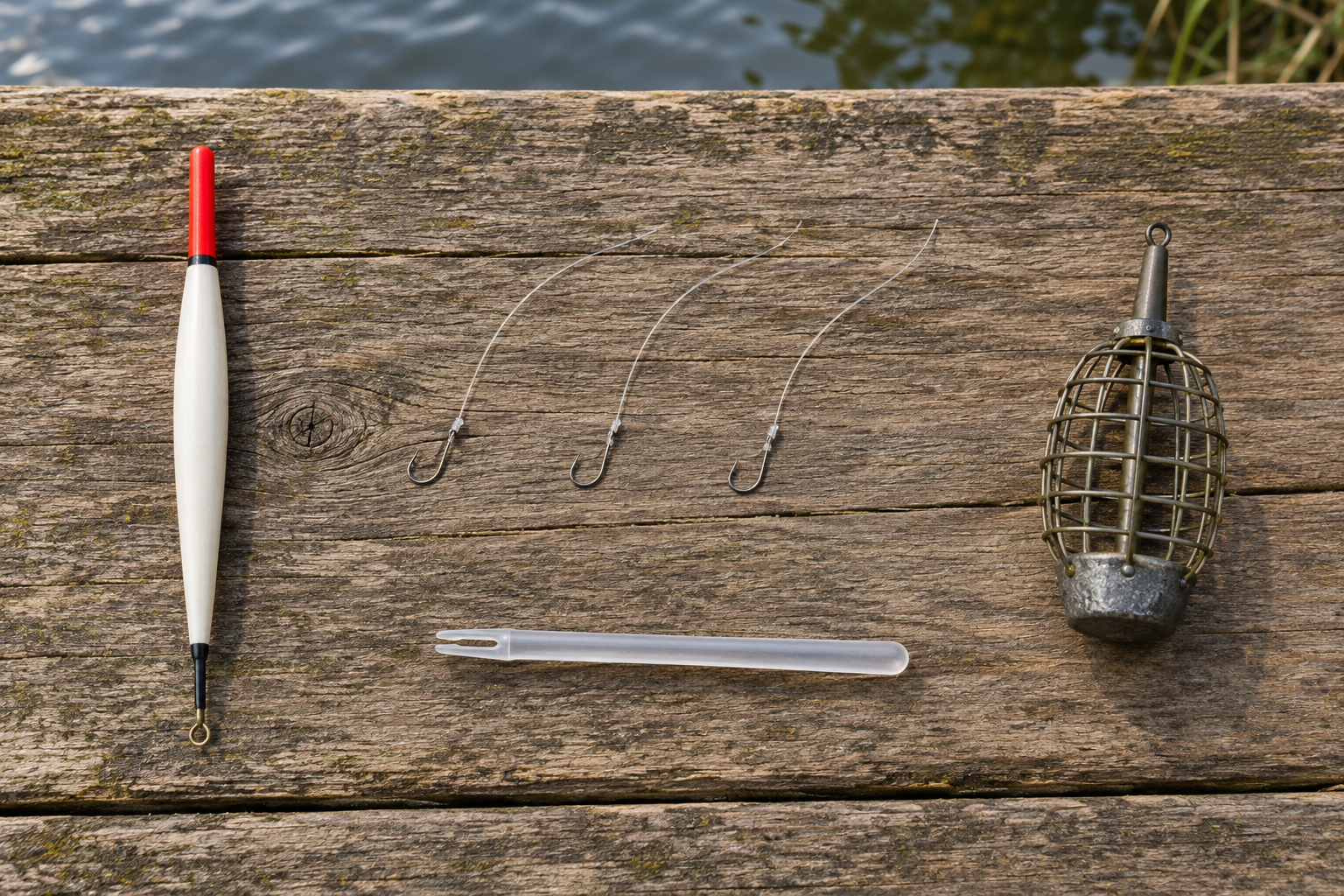
- Hooks. Ready-tied barbless hooks to nylon in sizes 14 to 18 are the simplest option for a first session. They come pre-knotted, so you don't need to tie anything on the bank, and the smaller sizes suit the roach, bream, perch and tench found at most stillwaters. Barbless is covered in more detail below, but for practical purposes it's the right choice for almost every club and commercial water in England and Wales.
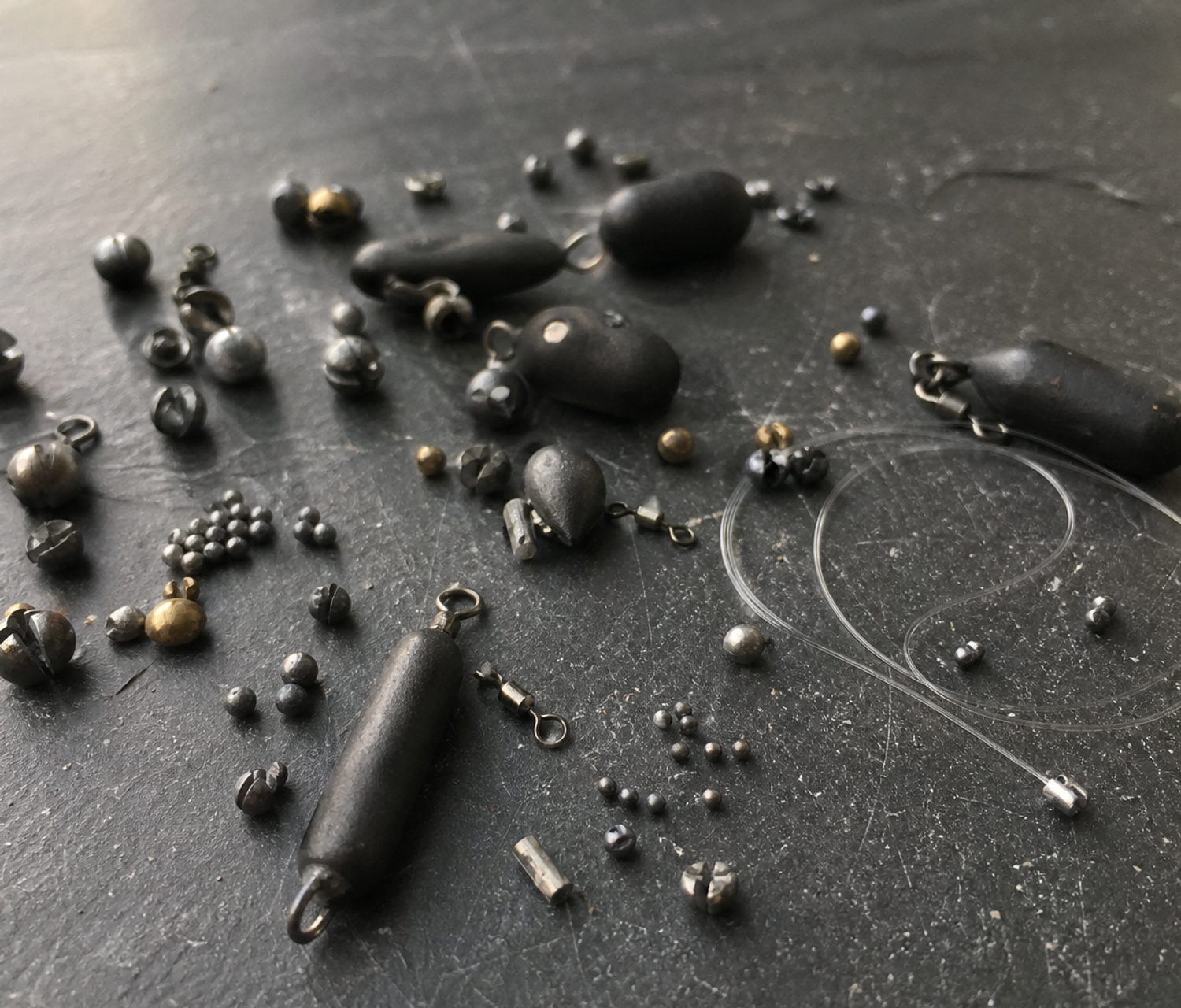
- Float or feeder. Two main approaches suit beginners at stillwaters. Float fishing uses a small buoyant indicator on the line, held in place with shot (small weights), to present bait at a set depth and show when a fish takes. A small selection of stillwater floats, some non-toxic shot and a float adapter are all you need to start. Feeder fishing involves casting a small cage or block filled with loose feed to a fixed spot, with the rod tip indicating bites. Two small method feeders and a mould will cover most commercial stillwater situations. Either approach works well for a first session; the right choice depends partly on the venue, so check when you book.
- Weights. If you're float fishing, non-toxic shot provides the weight to set the float correctly. If you're feeder fishing, the feeder itself provides most of the casting weight. The important point is that certain lead weights are banned under UK legislation: this is explained in its own section below.
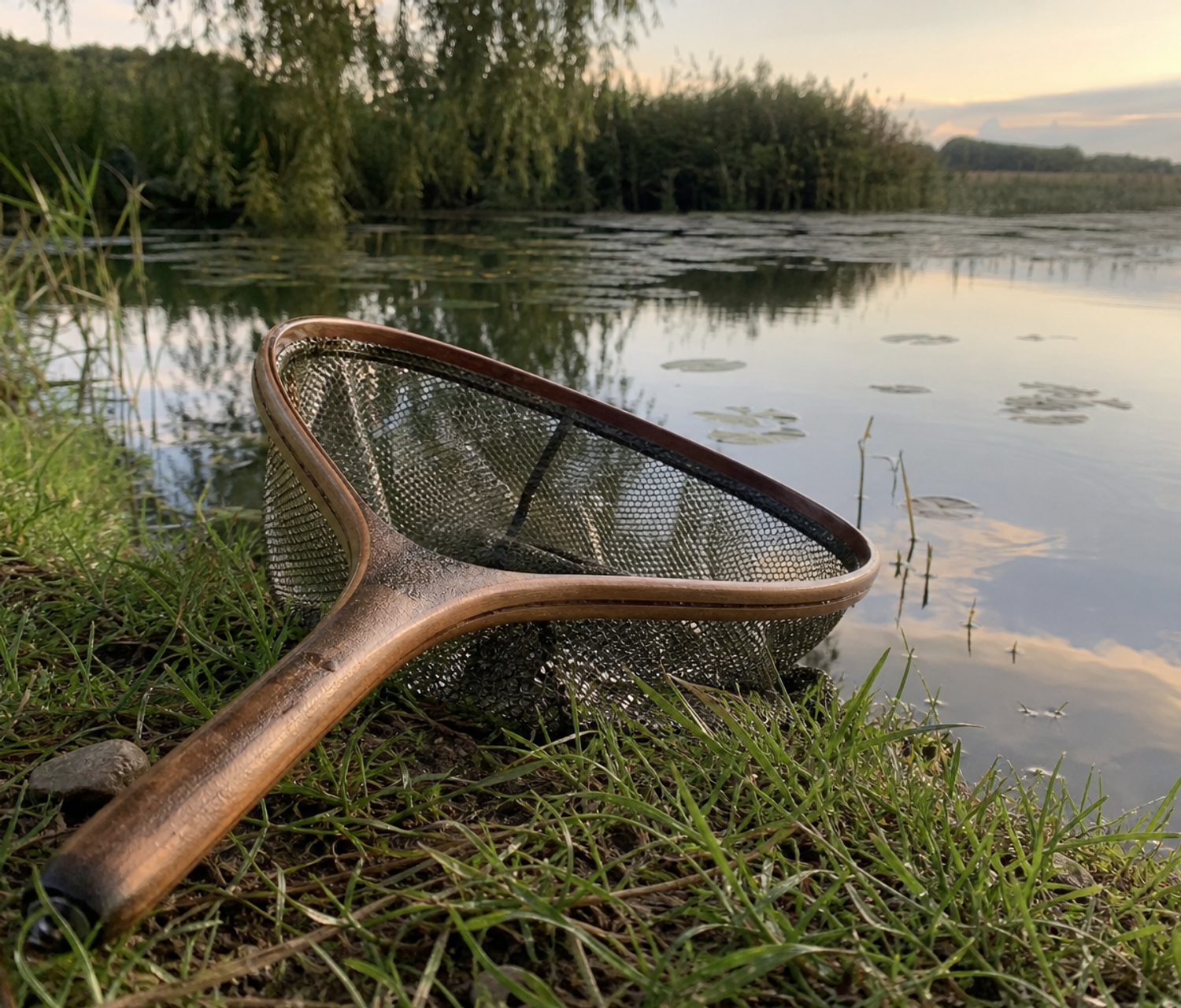
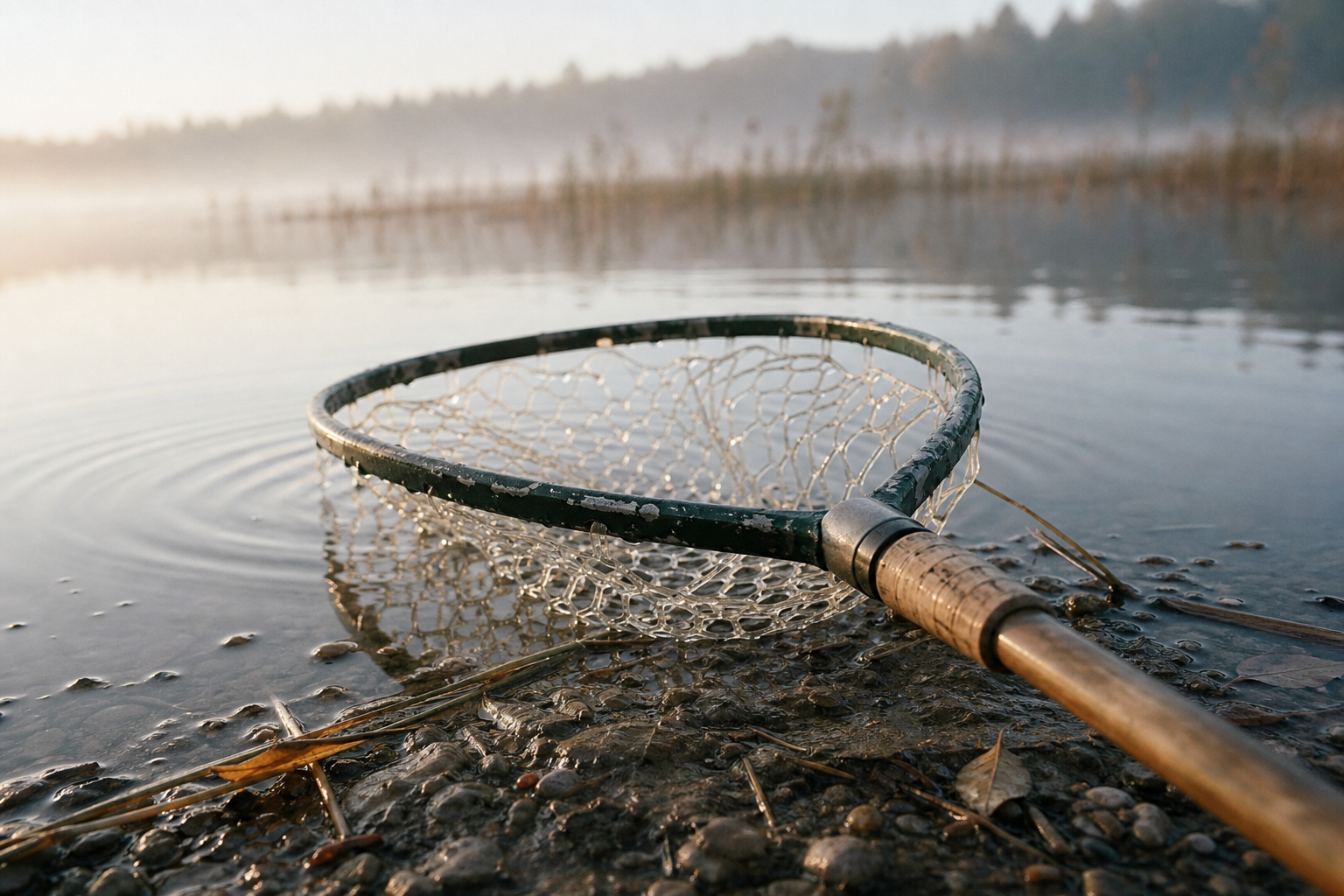
- Landing net and handle. A knotless mesh net with a telescopic or two-piece handle is required on most waters and essential for returning fish without injuring them or yourself. Knotless mesh is smooth and doesn't catch on fins or scales. Entry-level options cost £15 to £30 and do the job well.
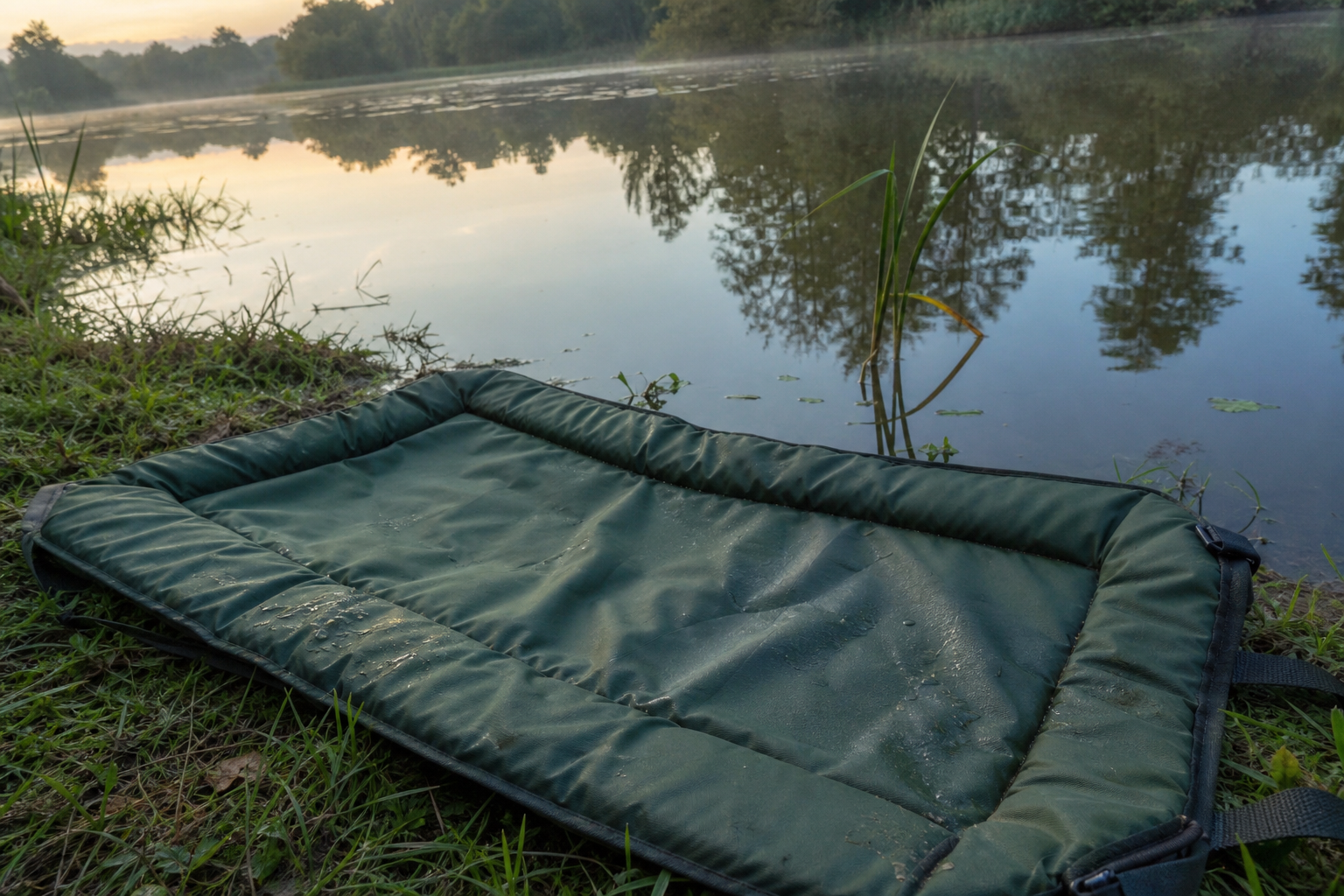
- Unhooking mat, disgorger and scissors. An unhooking mat is a padded surface on which you lay the fish while removing the hook. It is required for carp on most waters and strongly recommended for all fish. A plastic disgorger removes hooks that the fish has taken further back than intended. Small scissors or line cutters allow you to trim line neatly. Together these items cost very little and make a significant difference to fish welfare.
- Bait. Maggots, sweetcorn, pellets and soft hookable wafters are available from most tackle shops and suit a wide range of stillwater fish. Maggots are the traditional go-to and work well for smaller fish; pellets and sweetcorn are effective on commercial carp waters. Check the venue's rules before buying: some fisheries restrict or ban certain baits. A small bait box and a tub for any loose feed are all the storage you'll need.
| Item | What to look for | Approximate cost |
|---|---|---|
| Rod | 9–11 ft medium-action float or feeder rod | £35–£45 |
| Reel and line | Fixed-spool 3000–4000 size, pre-spooled with 4–6 lb mono | £20–£35 |
| Hooks | Ready-tied barbless hooks to nylon, sizes 14–18 | £3–£6 |
| Float or feeder | A few stillwater floats and shot, or two small method feeders | £5–£10 |
| Landing net and handle | Knotless mesh net with telescopic handle | £15–£30 |
| Unhooking mat | Padded mat, required for carp on most waters | £8–£20 |
| Disgorger and scissors | Plastic disgorger, small line cutters | £2–£5 |
| Bait | Maggots, sweetcorn or pellets to match venue rules | £3–£8 |
Useful additions for a comfortable session
None of the following items are strictly required, but most make a session more pleasant, particularly if you're planning to stay for a few hours.
- A rod rest or bankstick to hold the rod between casts
- A lightweight folding chair or low seatbox to sit comfortably at the water's edge
- A small tackle box or plastic organiser for hooks, floats and weights
- Polarised sunglasses to reduce glare and help you see into the water
- A hat and sun cream for sunny conditions (or a waterproof layer for the opposite)
- A headtorch if there's any chance you'll still be fishing as the light fades
A note on lead weights and barbless hooks
Two rules catch beginners out more than most, and both are worth understanding before your first session.
Lead weights between 0.06 g (roughly a size 8 shot) and 28.35 g (1 oz) cannot be used on the line. This restriction has been in place in England and Wales since the 1980s, introduced because swans were being poisoned by ingesting lead shot from fishing lines. Non-toxic alternatives made from tungsten, bismuth or other materials are now clearly labelled in tackle shops and designed to the same sizes as traditional shot. They work in exactly the same way. There is no practical reason to use lead shot at these sizes.
Buying shot and weights
Look for shot and weights labelled "non-toxic" or "lead-free." They are widely available in tackle shops and designed to the same sizes as traditional shot, so they work in exactly the same way. If you are unsure at the point of purchase, ask the shop whether the product complies with the lead weight restrictions for fishing in England.
Barbless hooks are now preferred or required at the majority of club and commercial coarse fisheries in England and Wales. A barbed hook is harder to remove from a fish's mouth and increases the risk of damage during unhooking. Ready-tied barbless hooks to nylon are the simplest starting point and ensure you're fishing in line with the most common fishery rules from the outset.
Looking after the fish and the water
Fish care and environmental responsibility are part of competent angling, not optional extras. First-time anglers are not expected to know everything immediately, but these two areas are worth getting right from the start.
Handling and returning fish
Wet your hands before touching any fish. Dry hands remove the protective mucus coating that fish rely on to resist infection. Keep the fish low, close to the unhooking mat, so that if it moves unexpectedly it doesn't fall far. Remove the hook quickly and calmly using the disgorger if needed, then support the fish in the water at the edge of the bank until it swims away under its own power. Avoid laying fish on bare ground, wooden platforms or hard surfaces.
The aim is to return the fish quickly and with minimal stress. Most fish caught on a beginner setup at a stillwater will be unharmed if they're handled calmly and returned without delay.
Cleaning your kit between waters
Invasive non-native species, including certain plants, invertebrates and pathogens, can be moved between waters on wet equipment. Once established in a new environment, many of them are very difficult to remove and can cause serious damage to native fish populations and water habitats.
The principle to follow is straightforward: arrive with equipment that is already clean, dry and free of mud, plant material and standing water. After any session, check your net, unhooking mat, waders and boots for plant fragments or debris, clean off any mud, and allow everything to dry thoroughly before using it at a different water. If in doubt, a rinse with warm water and proper drying time is the minimum precaution.
This applies even if you're only moving between local venues. The risk is real, the measures are simple, and following them is part of being a responsible angler.
What will it cost to get started?
A complete setup covering the essentials listed above, plus a rod licence and a day ticket for one session, is achievable for around £150 to £200 in total. That is a realistic range for entry-level equipment of workable quality, not a guaranteed figure: prices vary between retailers and some items, such as the unhooking mat, have a wide range depending on size and brand.
Buying a pre-assembled beginner starter kit simplifies the process. These typically bundle a rod, reel and line together, and sometimes include basic terminal tackle, which reduces the number of individual decisions to make. The trade-off is less control over each individual component.
Realistic cost of a beginner coarse setup (England and Wales, 2025–2026)
- Rod, reel and line
- £55–£80
- Hooks, floats or feeders, weights
- £10–£20
- Landing net and handle
- £15–£30
- Unhooking mat and disgorger
- £10–£25
- Bait for one session
- £5–£12
- Rod licence (1-day, England and Wales)
- £7.30
- Rod licence (12-month adult, up to 2 rods)
- £36.80
- Day ticket (typical commercial stillwater)
- £8–£15
Entry-level options widely available
Buy a small selection to start
Knotless mesh, essential for fish welfare
Required for carp on most waters
Maggots, corn or pellets
From the Environment Agency website
SourceFrom the Environment Agency website
SourceVaries by venue
The close season is worth noting here too. On rivers in England, coarse fishing is not permitted between 15 March and 15 June. Most stillwaters and canals are not subject to a national close season, but individual fisheries may impose their own restrictions. Confirm with the venue before you book.
What to do next
Once you've sorted your licence and have a sense of what to buy, the next step is understanding how to put a basic setup together and where to go for your first session. If you want more detail on specific kit options, there are pages on this site covering starter kit bundles and landing nets in more depth. For technique, fishery advice and a broader introduction to the sport, the beginner guide covers the ground that this checklist doesn't.
Frequently asked questions
Do I need a rod licence to coarse fish?
Yes. In England and Wales you must buy a rod licence before fishing. Options include a 1-day licence and a 12-month licence. Scotland and Northern Ireland use different rules and agencies.
Do I also need permission to fish a particular water?
Yes. A rod licence does not give access to specific waters. Buy a day ticket or have club membership or booked permission from whoever controls the fishing rights.
What are the absolute essentials to bring on my first session?
A suitable rod and reel with line, ready-tied barbless hooks, a float or small feeder, non-toxic weights, a landing net, an unhooking mat and disgorger, bait, and the correct paperwork.
Can I use lead shot and barbed hooks?
Lead shot between 0.06 g and 28.35 g is banned in England and Wales. Use labelled non-toxic shot. Barbless hooks are preferred or required at most club and commercial waters.
How much will it cost to get started?
A basic starter setup plus licence and a day ticket is typically around £150 to £200. Pre-assembled beginner kits can reduce complexity and initial decisions.
Lake & Lines Editorial Team
Editorial team
The Lake & Lines editorial team brings together freshwater fishing guides and researched tackle advice, helping beginners and returning anglers prepare for better days by the water.