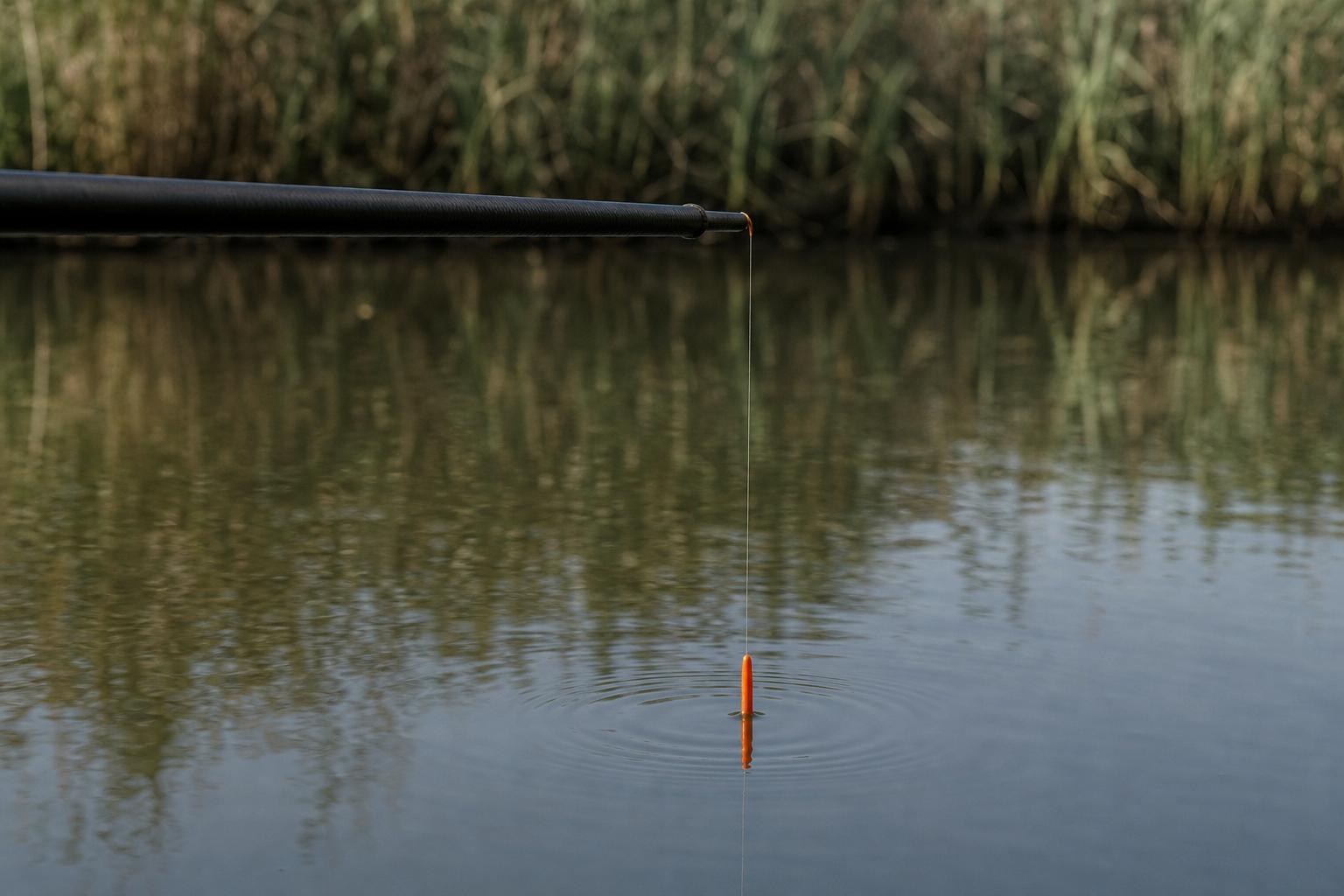
A Practical Introduction to Pole Fishing for Beginners
No casting, no reel: pole fishing is direct and beginner friendly. This guide covers whips versus longer poles, licences, essential kit and how to set up and fish on canals and commercial stillwaters.
At a Glance
- Pole fishing is simple for beginners: no casting, no reel and direct presentation to a chosen spot.
- Short whips (5–6 m) suit near-bank canal work; longer poles (10 m+) use elastic to handle bigger fish on commercials.
- Buy the correct rod licence and obtain permission or a day ticket for the water you plan to fish.
- Basic kit includes a pole or whip, pre-tied rigs, plummet, landing net, disgorger, bait and a seat; elastic and rollers are for longer poles.
- Set up by plumbing the depth, adjusting the float, feeding little and often, watching the float and striking on a clean bite.
Starting pole fishing as a beginner is more straightforward than it might look from the bank. There is no casting to master, no complicated reel to manage, and no need to spend hours learning to balance a float from scratch. You lower a rig directly into the water in front of you, watch the float, and lift when it moves. That simplicity is what draws a lot of new anglers to the pole, and it is a perfectly reasonable place to begin.
This guide covers what the pole method actually involves, how it differs from fishing with a rod and reel, and what you need to get started on two of the most beginner-friendly settings in the UK: a commercial stillwater and a canal. It also explains the short whip, a stripped-back version of the pole that deserves more attention than it usually gets.
Why the Pole is a Good Place to Start
With a rod and reel, you need to cast accurately, manage line on the water and control a rig that is constantly drifting. With a pole, the rig hangs directly below the tip. You place it exactly where you want it, hold it there, and watch the float. That direct control makes it easier to read bites, feed accurately to a single spot, and present bait consistently.
Pre-tied pole rigs remove another barrier. A rig comes ready-made with a float, shot already pinched onto the line, and a hook at the end. You clip it onto the tip of the pole and you are ready. There is no need to tie knots or experiment with shot placement before you have even wet a line.
This does not mean pole fishing has no learning curve. Handling a longer pole takes a little practice, and reading the float and striking at the right moment are skills that develop over time. But the fundamentals are genuinely accessible, and most anglers pick up a workable technique within a session or two.
One honest limit: a pole works best at relatively short distances. It is not suited to fishing far out across a large open water, and it is not a good choice on rivers with strong flow. On a commercial stillwater or a canal, those limits rarely matter.
Pole or Whip: What is the Difference?
Both a whip and a longer pole are take-apart lengths of carbon that you hold out over the water. Neither uses a reel. The difference comes down to length, weight and whether elastic is fitted inside the sections.
The Short Whip
A short whip is typically five to six metres long. It connects directly from the tip to the rig with no elastic in between. When a fish takes, there is no built-in cushion, so it suits smaller species such as roach and perch where fine line is not likely to snap under the initial pressure. Whips are light, easy to handle and among the most manageable pieces of fishing equipment a beginner can pick up.
For canal fishing close to the near bank (the towpath side), a short whip is often all you need. It is also a sensible starting point on small commercial pools where the pegs are close to the water and the target fish are not too large.
The Longer Pole
A longer pole, typically around ten metres or more on a commercial stillwater, lets you reach across to productive areas of a lake or to the far bank of a canal. The extra length means more sections, more weight, and usually a need for a roller or rest to support the pole while you wait for a bite.
The key difference from the whip is elastic. A length of elastic runs inside the top one or two sections of the pole, held in place at the back by a small bung and connected to the rig at the tip via a small connector. When a fish takes and runs, the elastic stretches to absorb the force. This is what allows you to use relatively fine line without it snapping, and to land larger fish without the pole itself taking all the strain.
The elastic system is not complicated, but it does need to be set up correctly before you fish. If you are buying a starter pole, many come with elastic already fitted or with fitting instructions included.
| Feature | Short whip (5–6 m) | Longer pole (10 m+) |
|---|---|---|
| Reel needed | No | No |
| Elastic | Usually fixed line, no elastic | Elastic inside top section(s) cushions fish |
| Typical venue | Canal near bank, small pools | Commercial stillwater, canal far bank |
| Target species | Roach, perch, small fish | Carp, F1s, mixed silvers |
| Ease of handling | Very manageable for beginners | Heavier; benefits from a roller or rest |
| Rig complexity | Simple; pre-tied rigs clip straight on | Slightly more involved; pole elastic needs fitting |
Before You Fish: Licences and Permissions
Sorting this before you leave the house saves a wasted journey and keeps everything above board.
Rod Licence (England and Wales)
In England and Wales, anyone aged 13 or over fishing for freshwater fish, salmon, trout, smelt or eel with rod and line must hold a valid rod fishing licence issued by the Environment Agency. Under-13s do not need one. If you are aged 13 to 16, a free junior licence is available. For everyone else, licences come in one-day, eight-day and twelve-month options and can be bought through GOV.UK or by phone through the Environment Agency.
Northern Ireland has its own separate licensing system. Scotland has no rod licence, apart from the Border Esk region, where you need the England and Wales licence, but you still need permission from the owner of the fishing rights. If you are fishing there, check the relevant authority for the rules that apply to you.
Permission to Fish the Water
A rod licence covers you to fish legally, but it does not give you the right to fish any particular water. You also need permission from whoever controls that stretch or fishery. There are two main routes for beginners:
Commercial stillwater: Most commercial fisheries sell day tickets, either on the bank at the fishery office or in advance online. Some also offer club memberships. Rules vary between venues, so check the fishery's own information before you go.
Canal: On Canal and River Trust (CRT) managed canals, options include a Waterway Wanderers permit (covering around 300 miles of CRT canal) or a day ticket or membership from a local angling club that controls a particular stretch. Some sections of CRT water require a club ticket even if you hold a Waterway Wanderers permit. Fishing is not allowed in lock chambers or within 25 metres of a lock approach, water point or swing bridge. Because access arrangements on canals are actively managed, check the Canal and River Trust website for current details before you plan a session.
Check before you travel
Buy your rod licence and sort your day ticket or permit before you arrive at the water. Commercial fisheries usually sell tickets on site or online in advance. For canals, check whether the stretch you plan to fish is covered by your permit or requires a separate club ticket.
What You Need to Get Started
This is not a shopping list. It is a practical rundown of what each item does and whether you need it for your first session.
The Pole or Whip
For a first outing on a canal or a small commercial, a five or six metre take-apart pole is a manageable and relatively affordable starting point. It lets you fish the near bank without the weight or expense of a full-length match pole.
If you plan to fish a commercial lake with a longer reach, a pole around ten metres will open up more of the peg. These are heavier and more expensive, and they are worth considering once you have a feel for the method rather than before your first session.
Pole Rigs
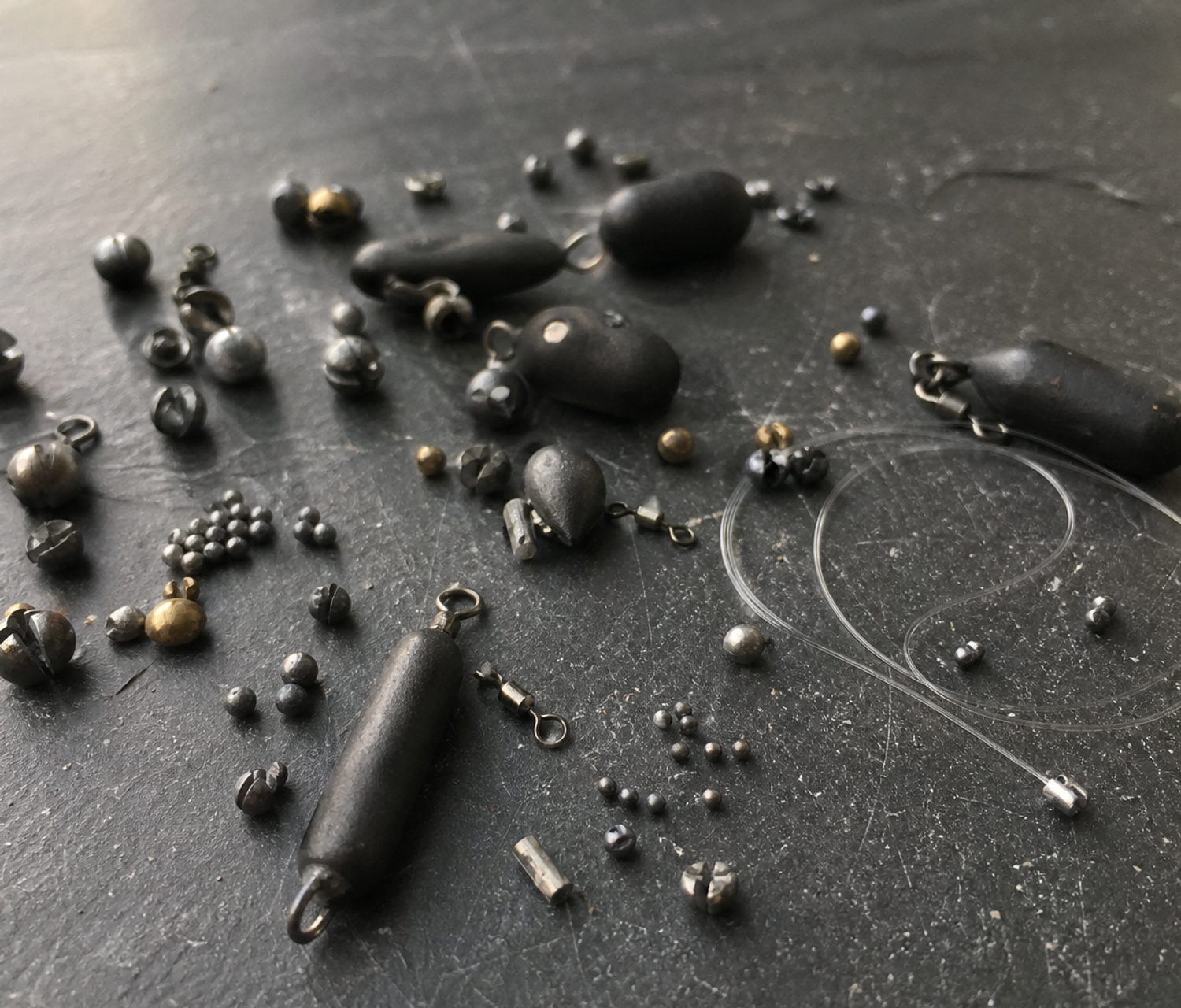
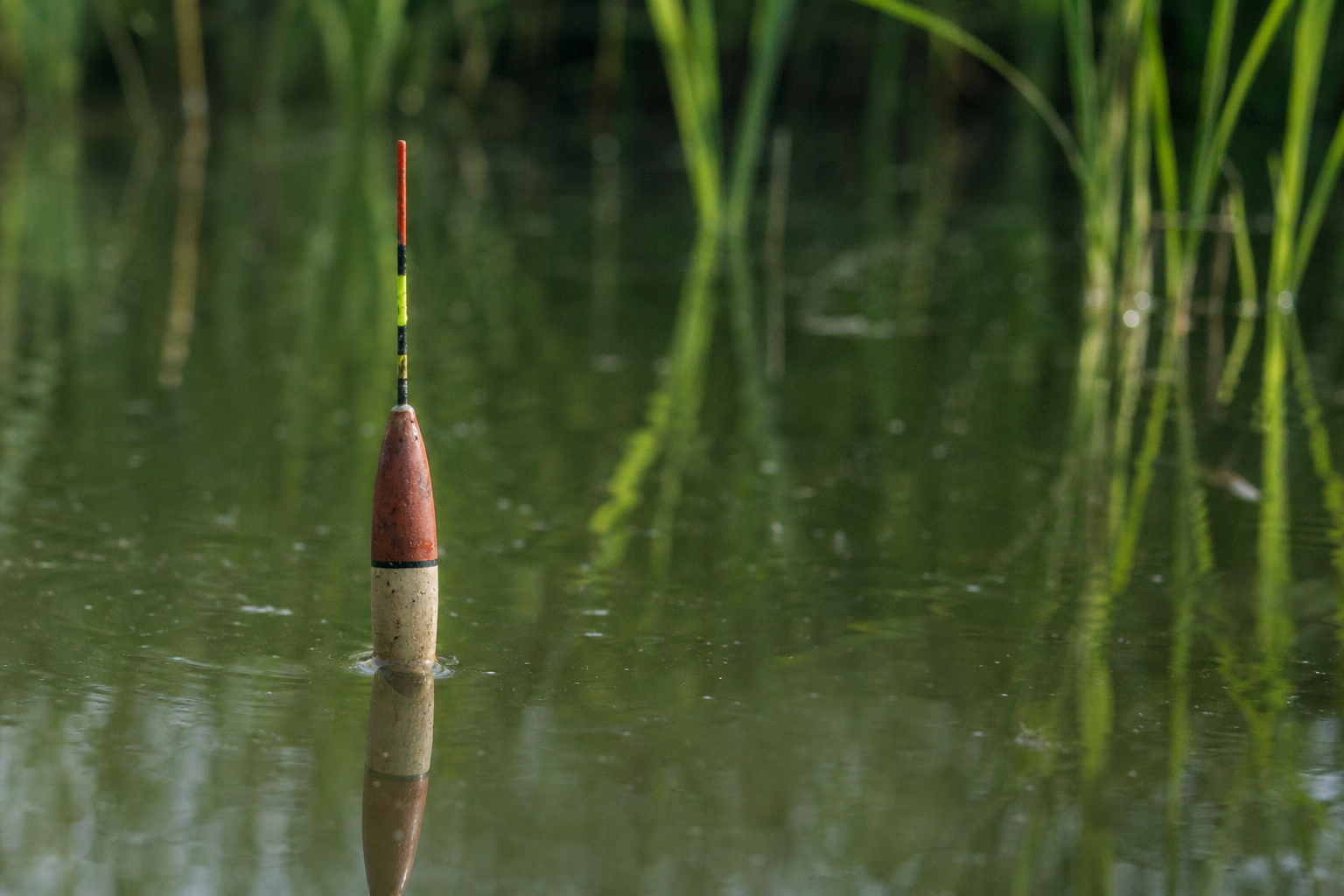
A pole rig is a ready-tied length of line with a float, split shot and a hook. The float is held in place by small rubber float rubbers, and the shot is pre-positioned along the line to balance the float so that only the tip shows above the surface. All you do is clip the rig onto the connector at the tip of the pole.
Rigs for canals are generally light and fine: floats around 0.3 to 0.4 grams, main line around 0.10 to 0.12 mm diameter, hooklengths (the short length of finer line between the main line and the hook) around 0.08 to 0.10 mm, and small hooks in sizes 20 to 22. These suit the smaller fish typically found on canals and cope with the disturbance caused by boat traffic.
Commercial stillwater rigs tend to be noticeably heavier overall, to handle carp and F1s. Specific line ratings vary between venues and rigs, but the general principle is the same: match the rig to the venue and the fish you expect to catch. If you buy rigs from a tackle shop, tell them where you are fishing and they will point you to the right ones.
Elastic (for a Longer Pole)
Elastic is the shock absorber inside the top section or sections of a longer pole. It is fitted with a bung plugged inside the pole and a small connector at the tip where the rig attaches. When a fish pulls against the line, the elastic stretches rather than snapping the fine hooklength.
Softer elastic grades (roughly grades 2 to 4) suit canal-style fishing on light rigs with small fish in mind. Slightly stronger grades are more appropriate for the larger carp and F1s on a commercial. Exact grade recommendations vary and no single setting suits every situation; it is a trade-off between protecting fine line and being able to control larger fish. If you are starting on a canal with a short whip, you will not need elastic at all.
Other Essentials
- A plummet: A small weighted clip that you attach to the hook temporarily to find the exact depth of your swim. An important step before every session.
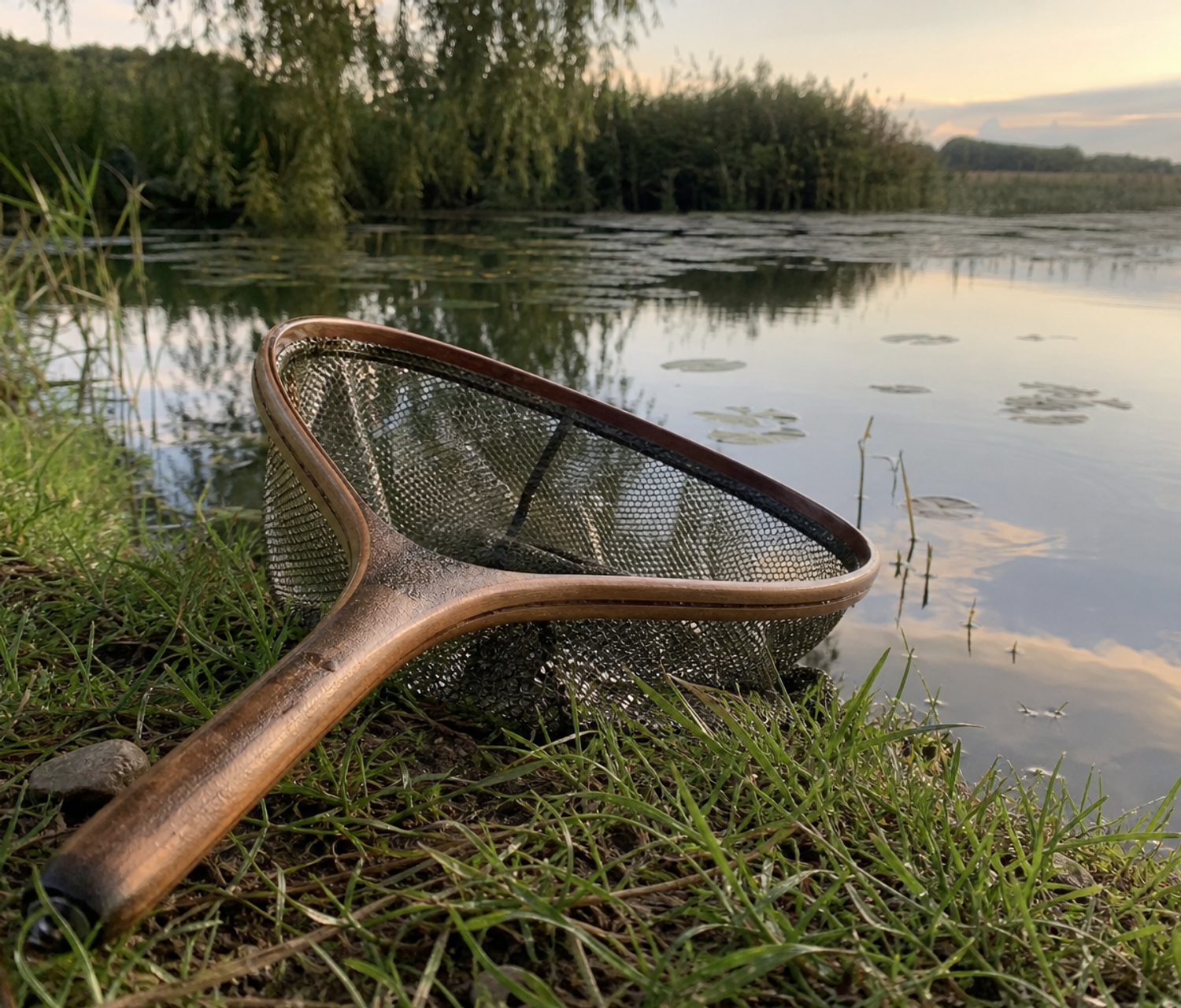
- Landing net and handle: Sized for the fish you expect to catch. You need this to land fish safely without swinging them out of the water.
- Disgorger or forceps: For removing hooks quickly and cleanly without damaging the fish.
- Bait: Maggots or pinkies (smaller maggots) are a straightforward starting choice on both commercials and canals.
- Seat or seatbox: Comfort matters over a long session.
- Bait box and groundbait bowl: Useful for keeping bait accessible and for mixing any loose feed.
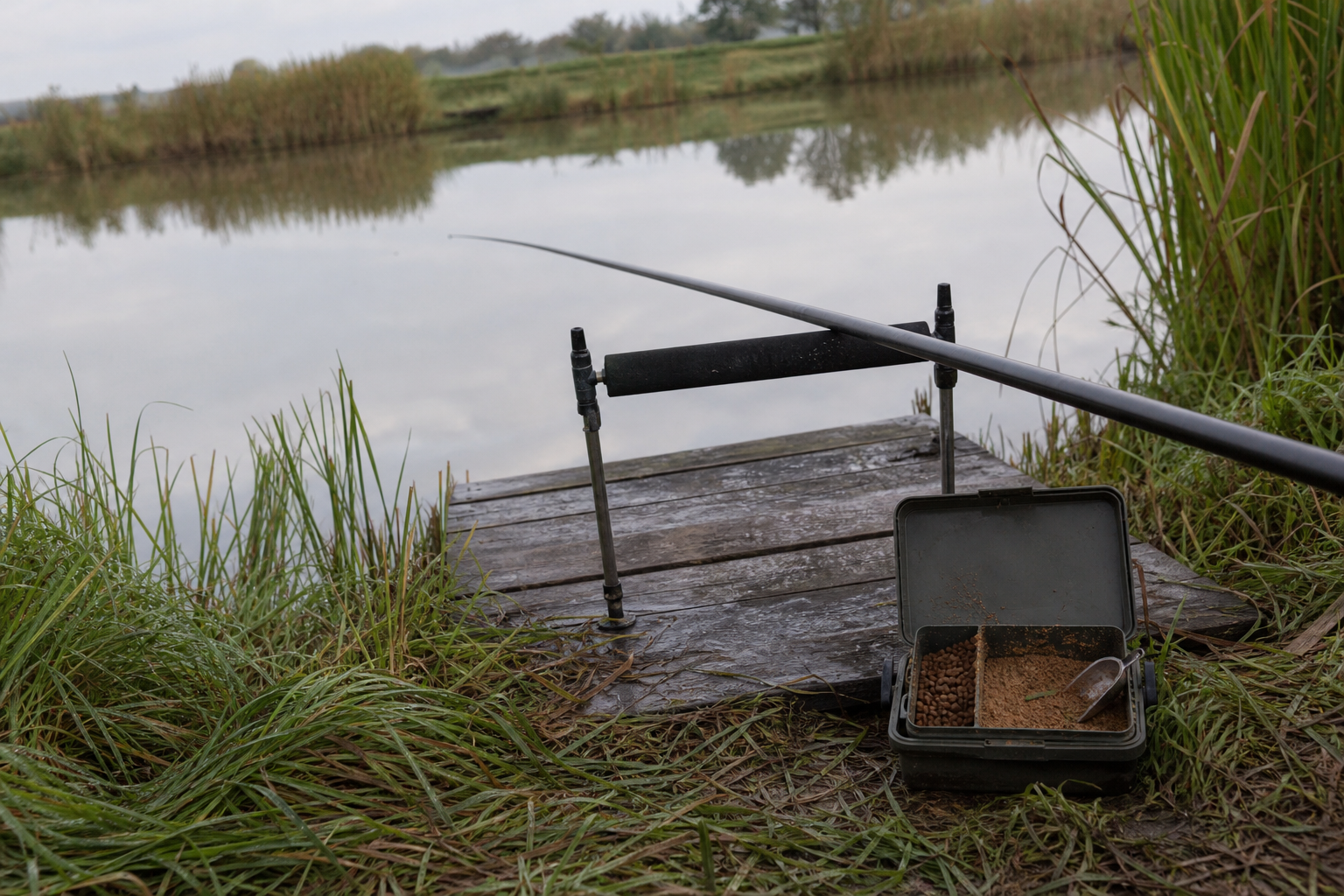
Once you move to a longer pole, a pole roller is a useful addition. It rests on the ground behind you and supports the unshipped sections of the pole so they do not drag across the bank.
How to Set Up and Fish a Pole Rig
Setting up and fishing a pole rig
Assemble the pole sections
Build the pole to the length you need for your chosen spot. Keep any sections you are not using behind you on a roller or resting flat on the ground, not trailing in the water.
Attach the rig
Clip or loop the pole rig onto the connector at the tip of the top section. Check that the line is free of tangles and that the float sits upright in the water before you move on.
Plumb the depth
Attach a plummet (a small weighted clip) to the hook and lower it into your chosen spot. Slide the float up or down the line until the tip just shows above the surface when the plummet rests on the bottom. This gives you the exact depth of the swim.
Set the float correctly
Remove the plummet once you have found the depth. Adjust the float position so the bait will sit just above or on the bottom depending on how you want to fish. Only a small tip of the float should be visible above the surface: this makes bites easy to spot.
Bait the hook
Thread a single maggot or pinkie onto the hook through the thick end. Keep bait fresh and replace it after each cast or every few minutes if you are not getting bites.
Lower the rig into the swim
Hold the pole and guide the rig out to your chosen spot as smoothly as you can. Once the float is settled, rest the pole on a roller or support and hold it lightly while you wait.
Watch the float and strike
A bite typically shows as the float dipping cleanly under the surface or moving sideways in an unusual way. Lift the pole smoothly and firmly. Avoid sharp or jerky strikes, particularly when using the fine line suited to canal fishing.
Play and land the fish
Keep the pole raised and let the elastic (if fitted) absorb the fish's movement. Steer the fish gradually towards you. When it is close enough, guide it into the landing net rather than lifting it out by the line.
Starting on a Commercial Stillwater
Commercial fisheries are well set up for beginners. They are stocked with carp, F1s (a fast-growing carp hybrid) and a range of silvers such as skimmer bream and tench. Fish are present in decent numbers, on-site staff can advise on which pegs are fishing well, and the facilities tend to be good.
Fishery rules on commercials routinely require barbless hooks, and many venues have restrictions on keepnets or certain baits. Check the rules for your specific fishery before you go: they are usually posted on the fishery's website or displayed at the office.
Choosing a swim: Ask the fishery which pegs are suited to beginners or to pole fishing. Look for a level, comfortable peg with enough room behind you to handle a longer pole and ship sections back without catching on vegetation or fences.
Feeding: The general approach on a commercial is to loose-feed maggots or small pellets to a single spot at the range you are fishing. Steady, regular feeding encourages fish to stay in the swim. Little and often tends to work better than heavy feeding in one go.
Rig choice: Use rigs designed for commercials rather than canal rigs. Heavier floats, stronger main line and firmer elastic grades are appropriate for the fish you are likely to encounter. If you are unsure, ask at the fishery or the tackle shop where you bought your gear.
Landing and unhooking: Use an unhooking mat for any fish too large to hold safely in the landing net. Keep the fish in the net in the water while you prepare the mat, unhook quickly using forceps, support the fish in the water for a moment, then return it gently.
Canal Pole Fishing Basics
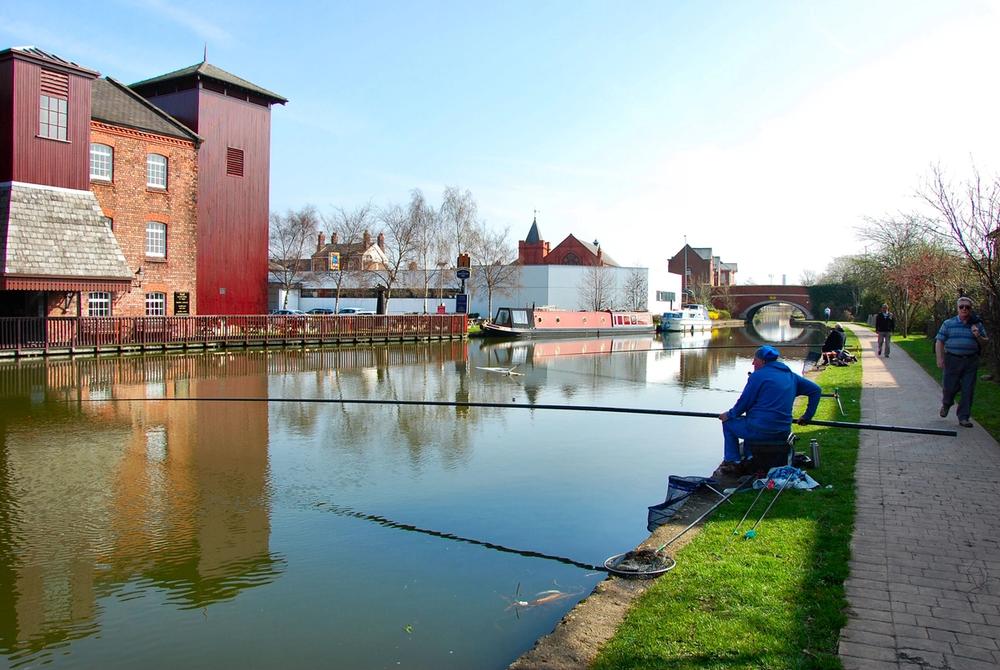
Canal fishing with a pole has a distinct character from commercial stillwater fishing. The fish are generally smaller, the rigs are lighter, and the environment is busier: towpath users, cyclists and passing boats are all part of the picture. Understanding the differences makes for a better session.
Where to Fish on a Canal
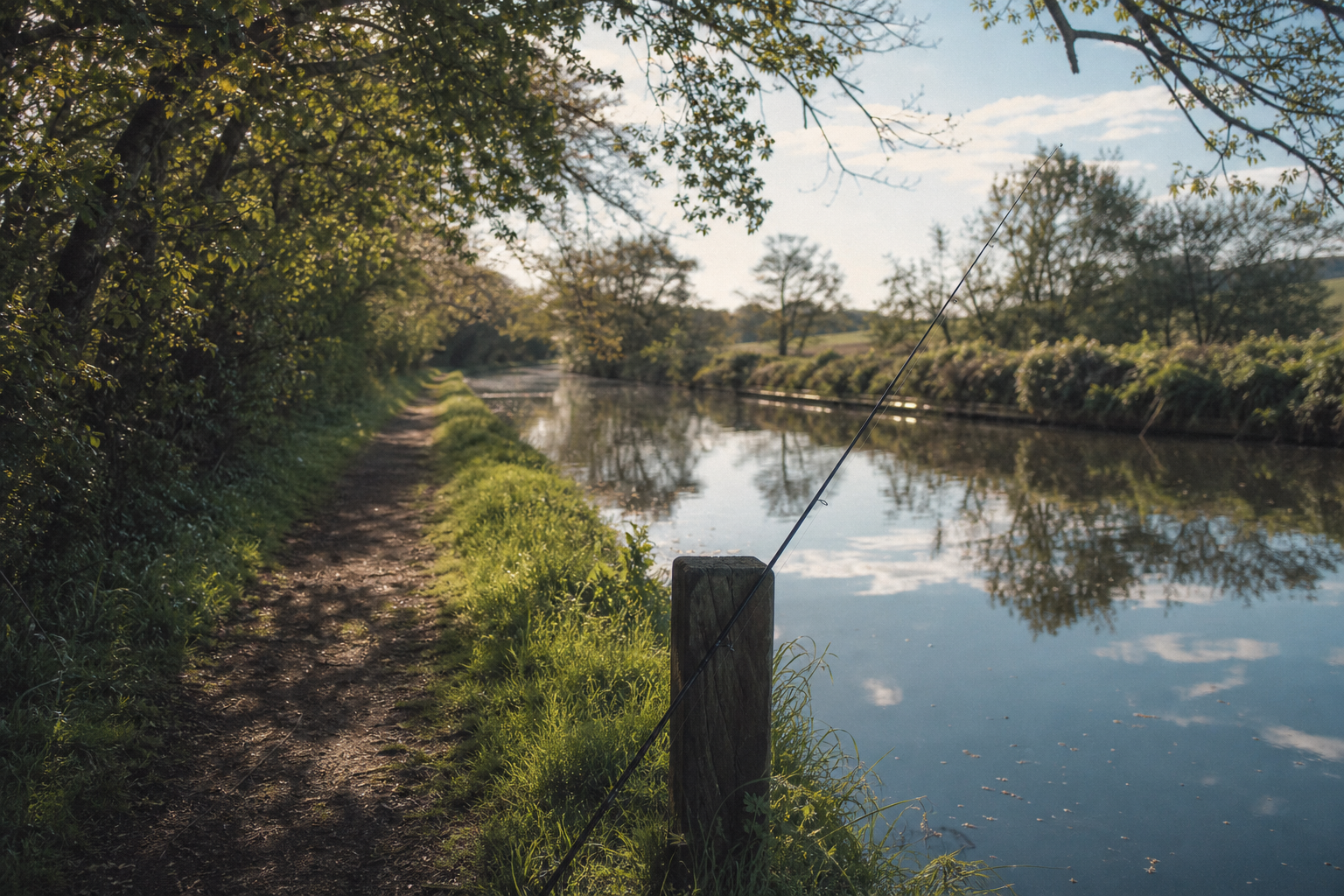
For near-bank fishing on the towpath side, a short whip at five to six metres is often all you need. If you want to reach the far bank, a longer pole of around ten metres will be necessary.
Look for features: patches of reeds, overhanging vegetation or areas near the edge of mooring zones often hold fish. Roach and perch in particular are drawn to structure. Avoid fishing near locks, swing bridges, water points or moored boats, where both safety and access rules apply.
On the towpath itself, set up in a way that does not block the path. Cyclists and walkers both use the towpath, and pedestrians have priority. Keep your gear close to the water's edge and leave a clear route for other users to pass.
Canal Rig and Approach Differences
Canal rigs are lighter and finer than commercial rigs in every respect. Floats around 0.3 to 0.4 grams, main line around 0.10 to 0.12 mm, hooklengths around 0.08 to 0.10 mm, and hooks in sizes 20 to 22 are the typical starting point for canal species such as roach, perch and gudgeon.
Soft elastic (around grades 3 to 4 in the top section) protects the fine line if you do hook something larger than expected. Feeding is light: a few maggots or pinkies at a time, introduced little and often. This suits the more cautious, mixed-species nature of canal fishing.
When a boat passes, bring your rig in or hold the pole flat above the water until it has gone. The wash from a passing narrowboat can pull a rig off course and, if the pole is extended at an awkward angle, risk losing control of it.
Safety and Etiquette on Canals
Canal safety checklist
Check for overhead powerlines before extending your pole. Never fish near them. Keep back from sloped or wet banks. Bring your rig in when boats pass. Keep children away from the water's edge. Leave room on the towpath for other users to pass safely.
Looking After the Fish
Fish care is a straightforward part of competent pole fishing, not a complication on top of it. Use a landing net for every fish rather than swinging them out of the water on the line. Have a disgorger or forceps to hand before you start, so hook removal is quick and clean. Support the fish in the water inside the net for a moment before unhooking if it needs to settle. On commercial pegs where larger fish are common, an unhooking mat protects both the fish and the angler. Return fish promptly, lowering them gently beneath the surface rather than dropping them in from a height.
A Sensible Progression
A short whip on a canal or a small pool is a natural starting point. You get used to reading the float, feeding a swim and handling a fish without the added weight and complexity of a full-length match pole. Once those basics feel comfortable, moving to a longer pole on a commercial stillwater is a logical next step: more reach, bigger fish, and the elastic system to help you manage them.
There is no fixed timeline. Some anglers fish a whip for a full season and enjoy it entirely on its own terms. Others progress to a ten-metre pole within a few sessions. The method suits both approaches, and neither requires specialist knowledge to begin.
References and Further Reading
- GOV.UK: Rod fishing licences in England and Wales, how to buy and who needs one.
- Canal & River Trust: Beginner's guide to canal fishing, permits and starter kit.
- Canal & River Trust: Canal and river fishing FAQs, licences and access.
- Canal & River Trust: Setting up the rig, whip and pole fishing on canals.
- Natural Resources Wales: Buy a fishing rod licence, England and Wales coverage.
Frequently asked questions
Why is the pole a good place to start?
The pole removes casting and reel handling. You place a rig exactly where you want it, use pre-tied rigs and watch the float, which makes bites easier to read and presentation more consistent. There is still a short learning curve for handling a longer pole and striking.
What is the difference between a short whip and a longer pole?
A short whip (5–6 m) connects directly to the rig with no elastic and suits smaller canal fish. A longer pole (around 10 m+) usually contains elastic in the top sections to cushion runs and suit larger fish on commercial stillwaters; it is heavier and often needs a roller or rest.
Do I need a rod licence and permission to fish?
In England and Wales anyone aged 13 or over fishing with rod and line must hold a valid rod fishing licence; under-13s do not need one and 13–16 year olds can get a free junior licence. Northern Ireland has its own system, and Scotland has no rod licence apart from the Border Esk region. You also need permission to fish the specific water, such as a day ticket for a commercial fishery or the relevant permit for a canal stretch.
What kit do I need for a first session?
A take-apart pole or short whip, suitable pre-tied pole rigs, a plummet, landing net and handle, disgorger or forceps, bait (maggots or pinkies), a seat or seatbox and a bait box. Elastic is only needed for longer poles and a pole roller becomes useful when you ship many sections.
How do I set up and fish a pole rig?
Assemble the pole to the needed length and attach the rig to the tip. Plumb the depth with a plummet and set the float so only a small tip shows. Bait the hook, lower the rig smoothly, rest the pole and watch the float. Strike on a clear dip or unusual movement, then play and land the fish using the elastic if fitted.
Lake & Lines Editorial Team
Editorial team
The Lake & Lines editorial team brings together freshwater fishing guides and researched tackle advice, helping beginners and returning anglers prepare for better days by the water.