Techniques & Rigs
A simple rig works best when you understand what each part is doing. Learn how to set up for float and feeder fishing, present your bait, recognise bites and make useful adjustments when something isn’t working. The focus is on clear steps and techniques you can practise on the water.
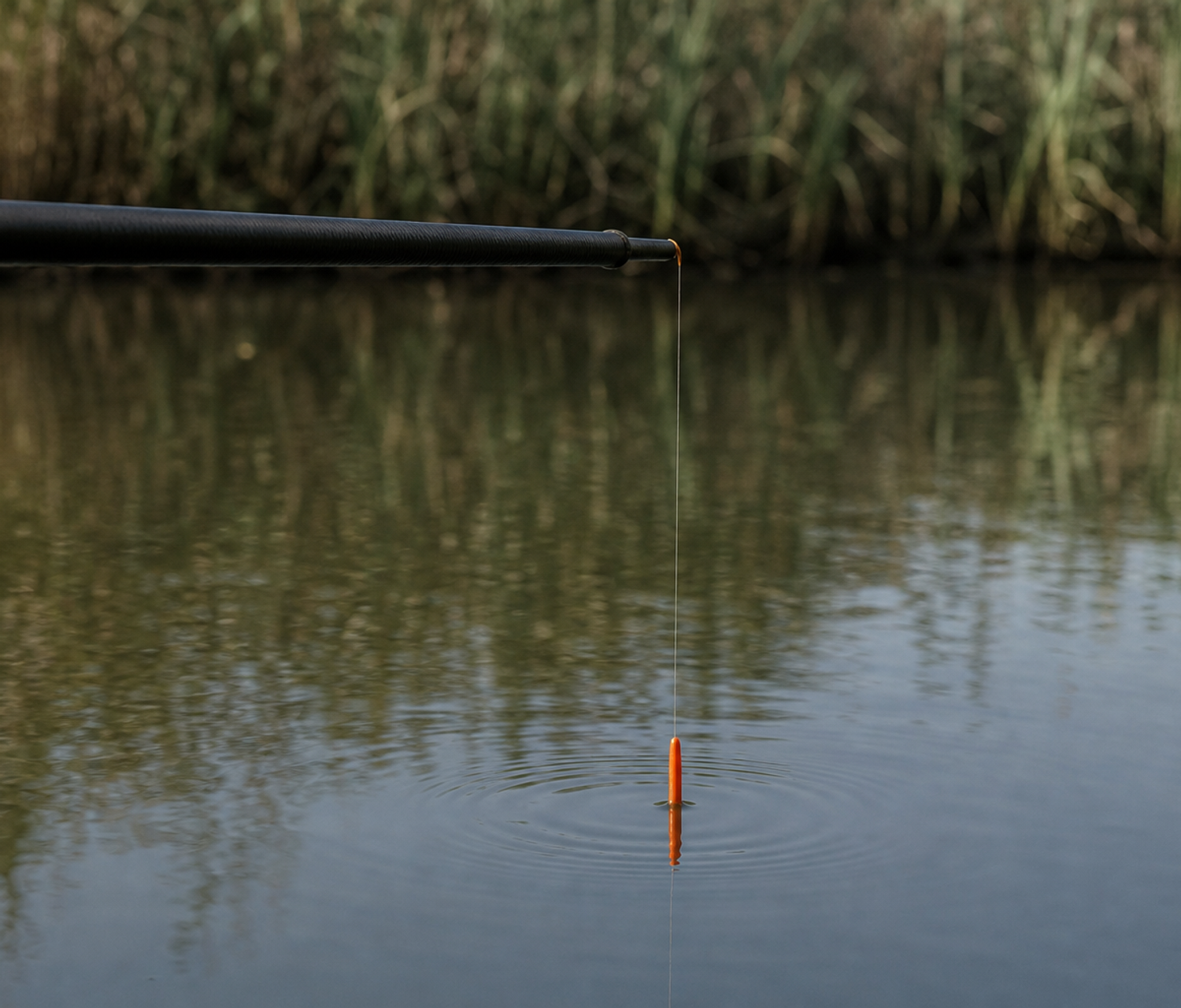
No casting, no reel: pole fishing is direct and beginner friendly. This guide covers whips versus longer poles, licences, essential kit and how to set up and fish on canals and commercial stillwaters.
Techniques & Rigs13 Oct 2026By Lake & Lines Editorial Team
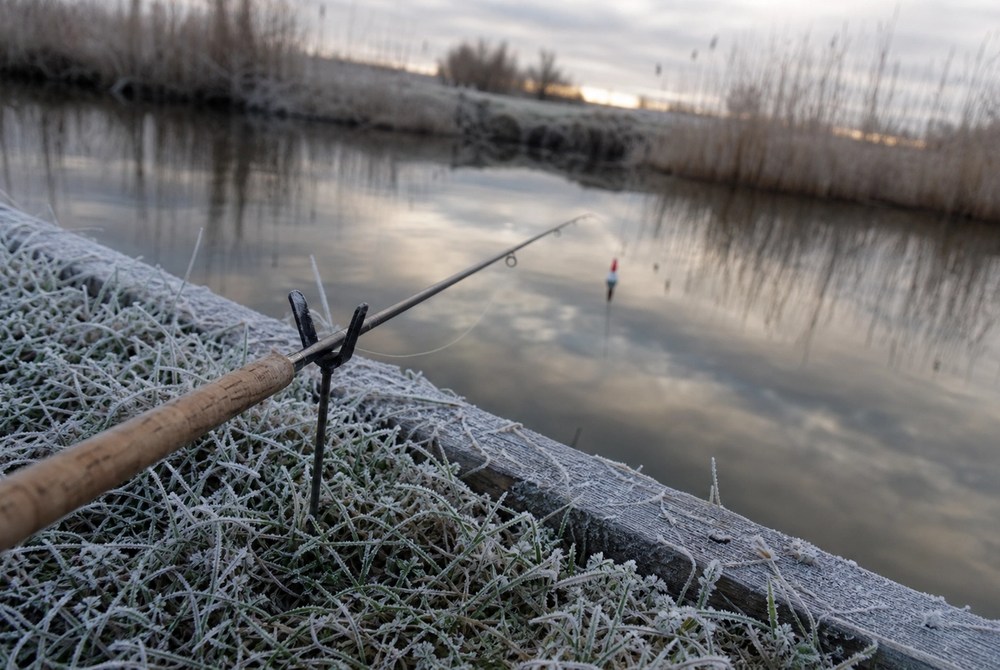
Winter coarse fishing is quieter and more demanding; short two to four hour sessions on mild, settled days with small baits, fine rigs and minimal feeding often produce the best results.
Techniques & Rigs11 Oct 2026By Lake & Lines Editorial Team
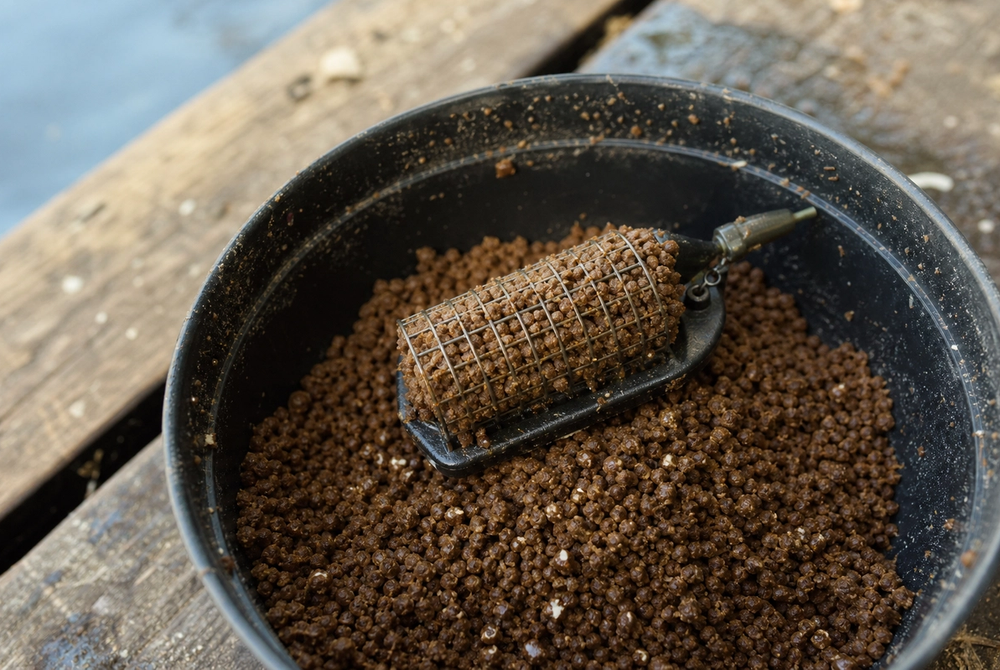
Step-by-step method feeder bait advice. Learn pellet dampening, when to use groundbait or a blend, hookbait positioning and the venue checks that save a session.
Techniques & Rigs6 Oct 2026By Lake & Lines Editorial Team
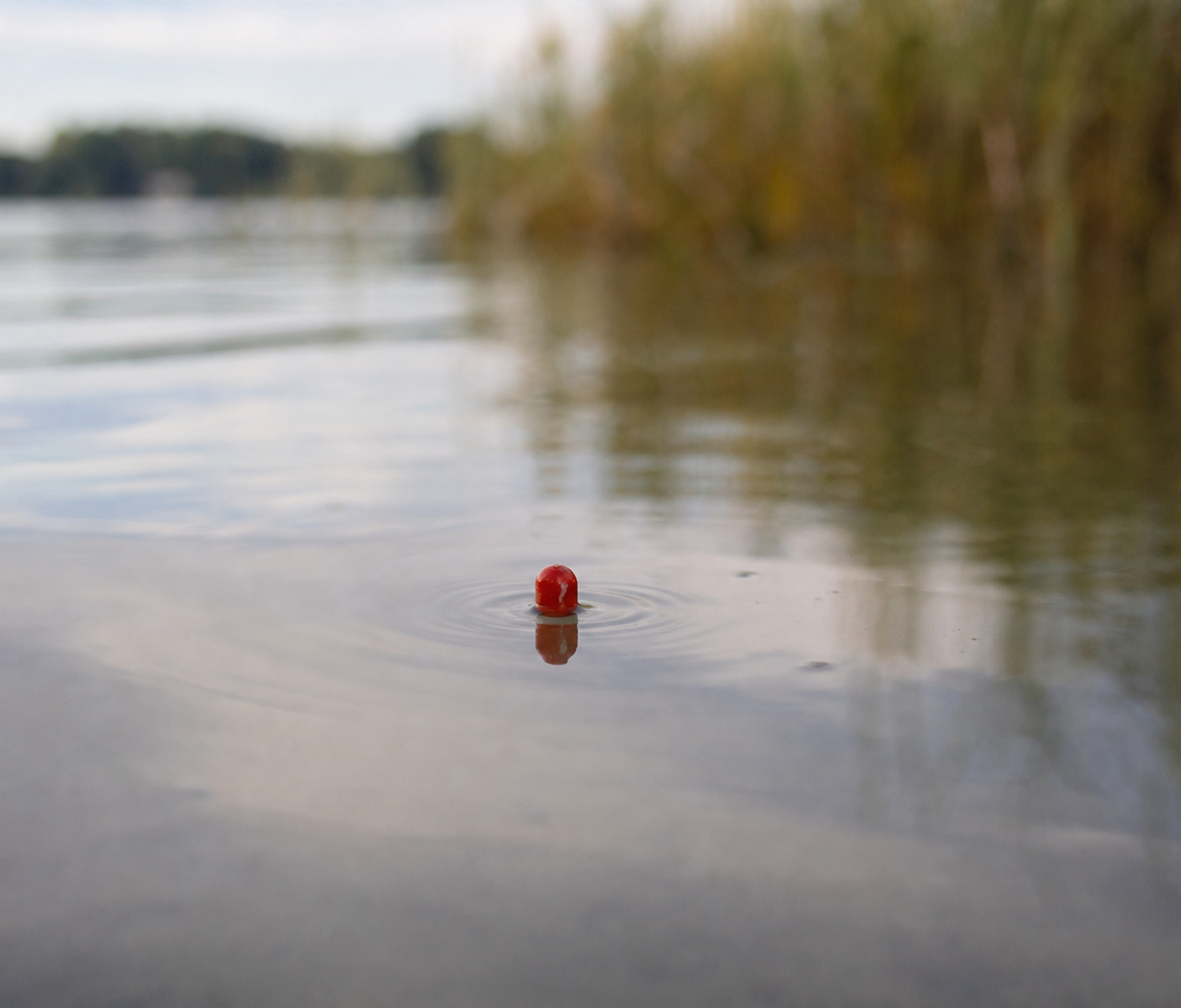
Bankside checklist to stop missing bites float fishing: dot the float down, plumb depth, move the bottom shot closer, match hook size, control line drag and time your strike.
Techniques & Rigs3 Oct 2026By Lake & Lines Editorial Team
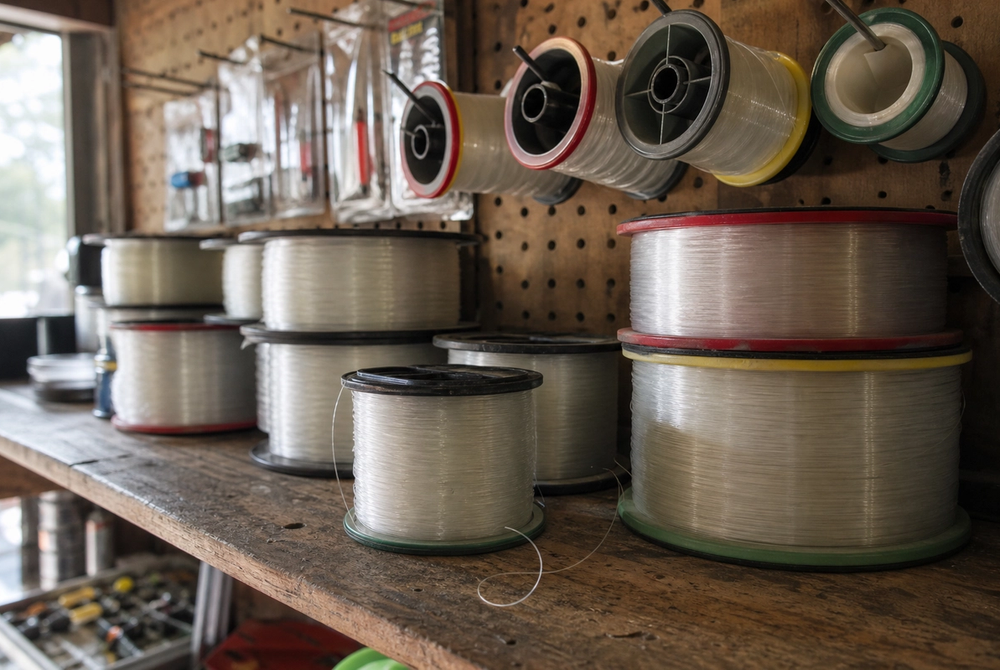
Clear, practical guidance on selecting coarse fishing line. Learn when to use mono, braid or fluorocarbon, ideal diameters for float and feeder rigs, and how to check and dispose of old line.
Techniques & Rigs3 Oct 2026By Lake & Lines Editorial Team
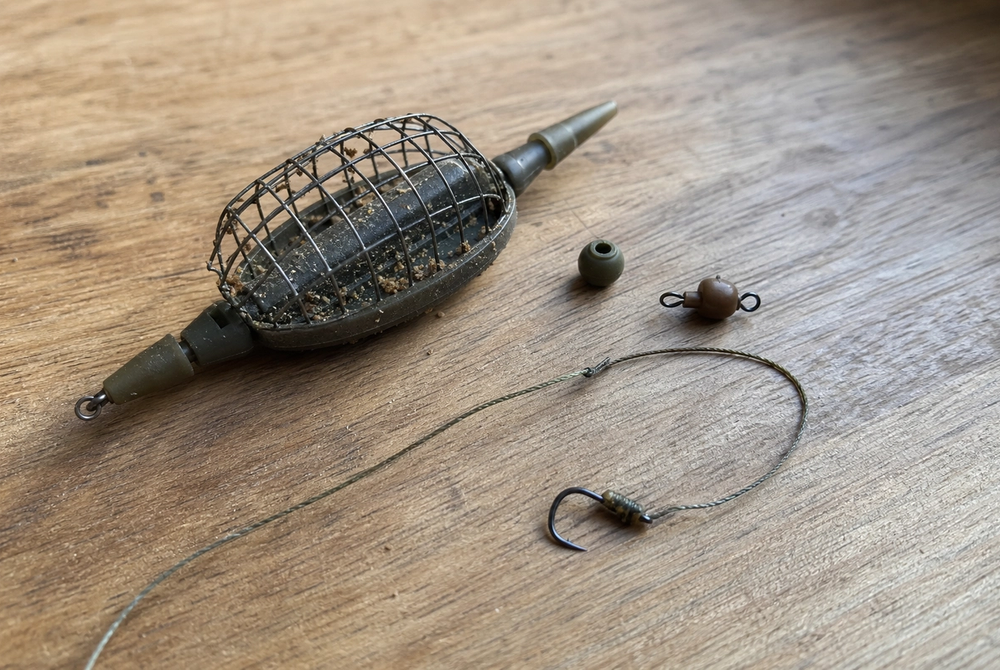
A practical beginner's guide to method feeder fishing covering rigs, loading feeders, accurate casting, bite detection and safe fish handling to build a producing swim.
Techniques & Rigs3 Oct 2026By Lake & Lines Editorial Team
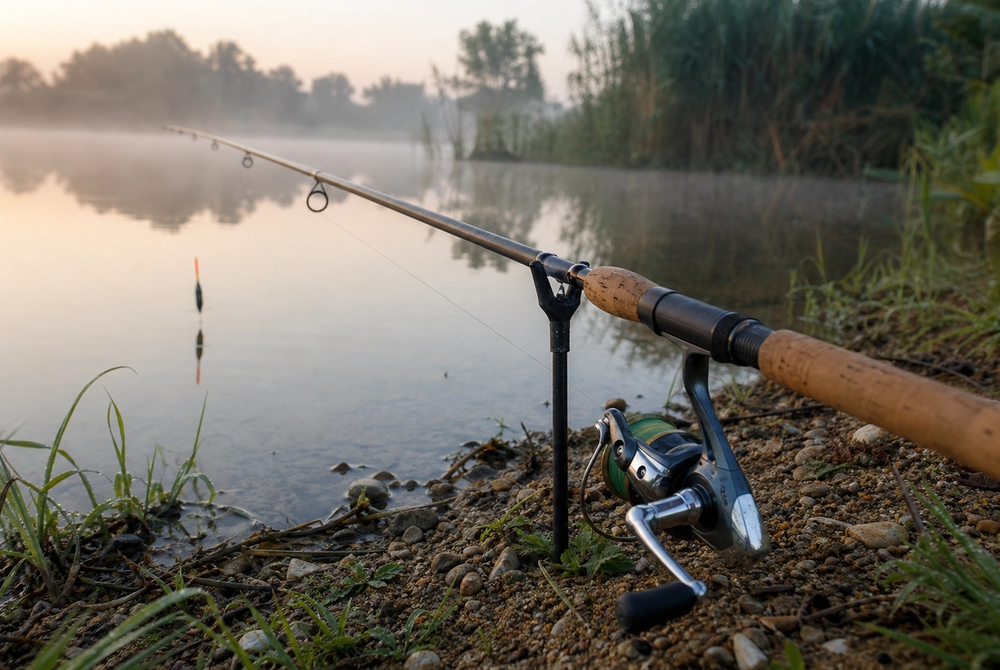
Step-by-step stillwater guide to how to set up a float fishing rod. Covers waggler components, shotting, finding depth, casting tips and quick fixes for first sessions.
Techniques & Rigs3 Oct 2026By Lake & Lines Editorial Team
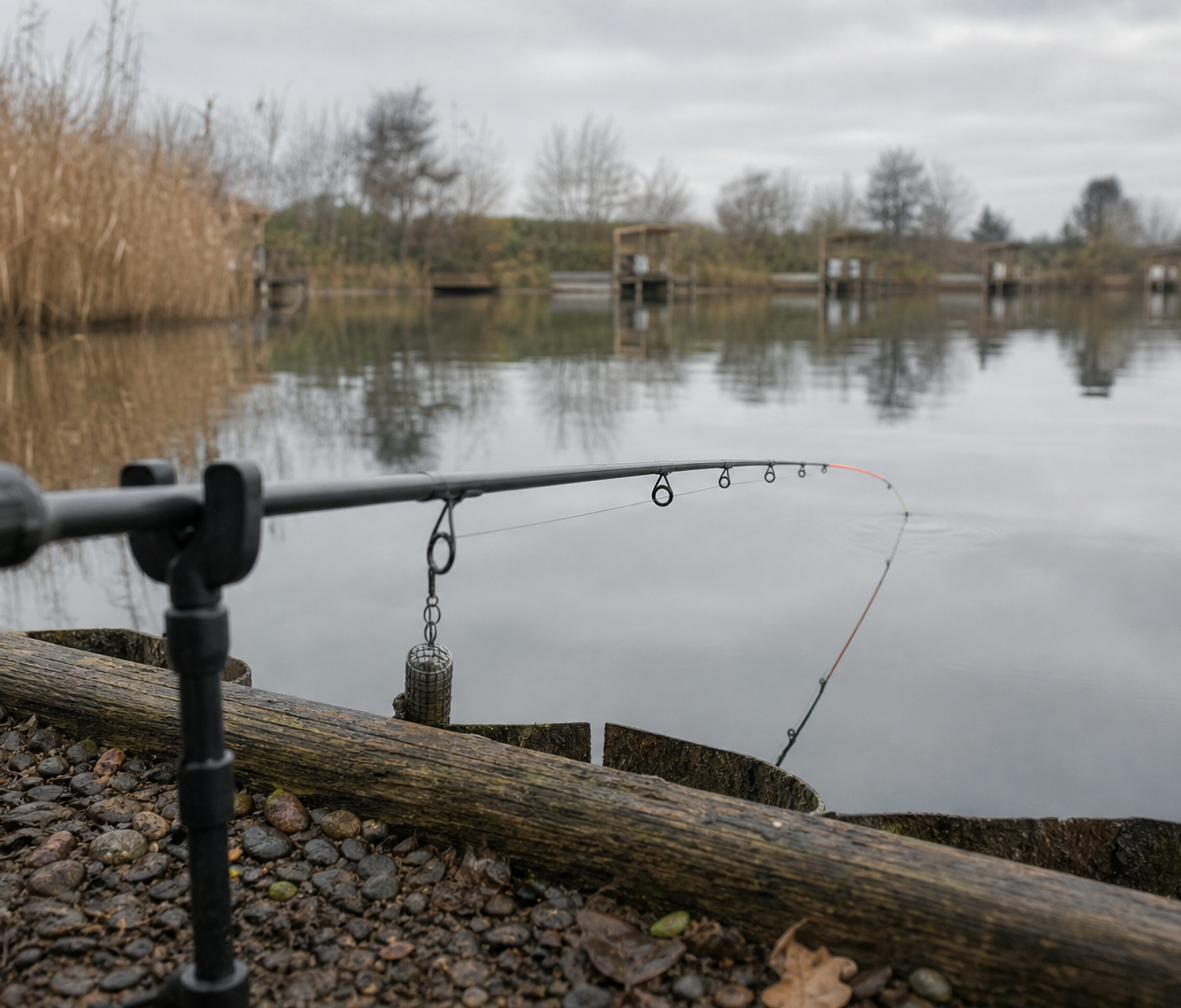
Match feeder rod length to casting distance and peg space, then use the softest quivertip that stays stable. A 9 to 10ft rod and 1.5oz carbon tip suit most commercial lakes.
Techniques & Rigs1 Oct 2026By Lake & Lines Editorial Team
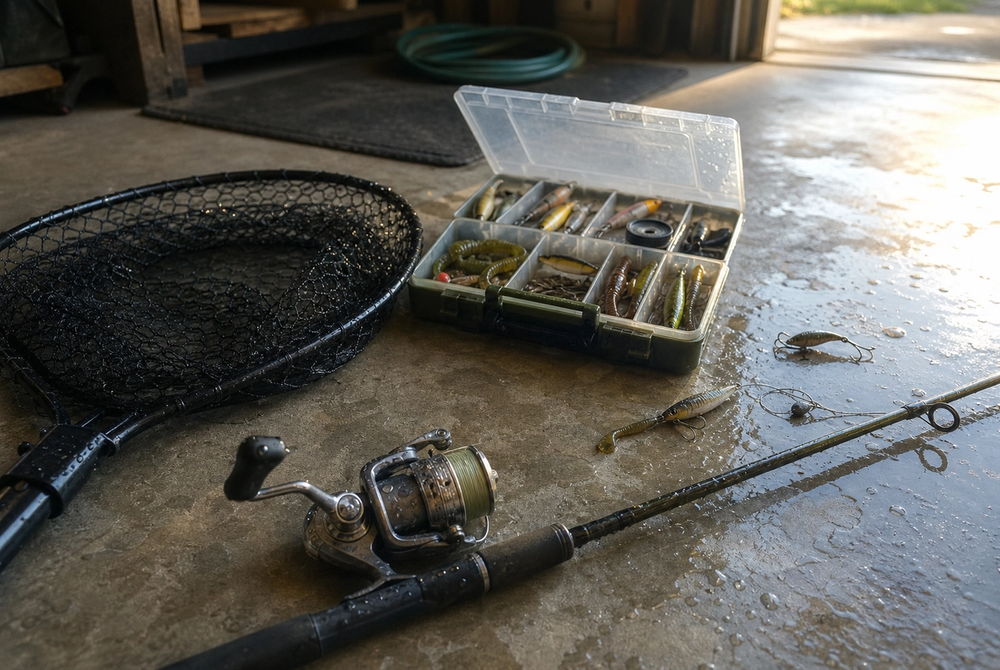
A short post-session routine protects rods, reels, line and soft kit, prevents corrosion and helps stop spread of invasive species. Check, clean and dry gear and dry soft items for at least 24 hours.
Techniques & Rigs1 Oct 2026By Lake & Lines Editorial Team
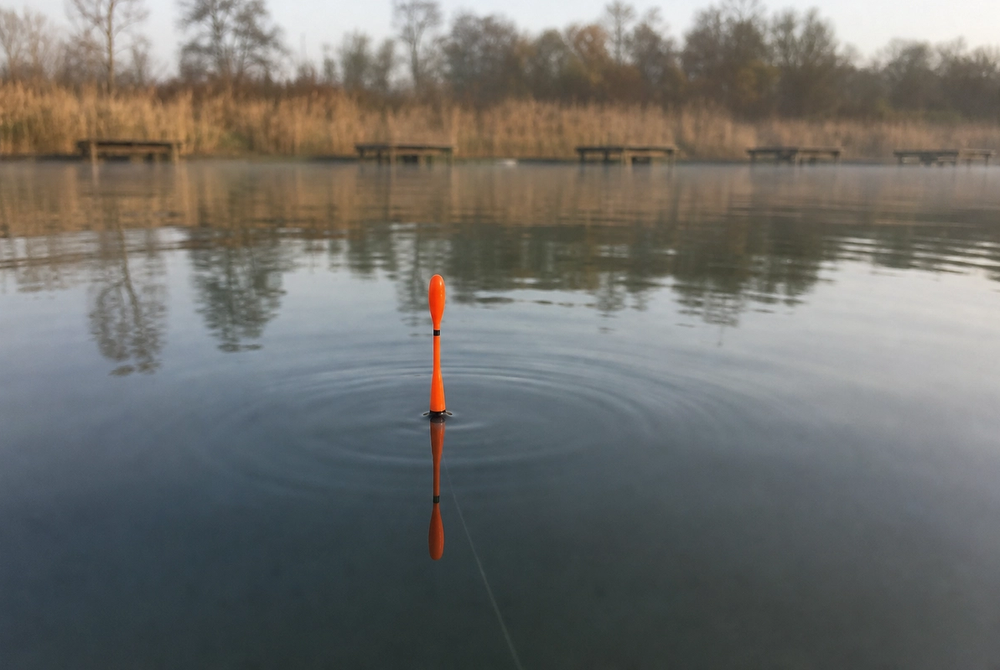
On UK commercial lakes, float fishing suits near-bank, calm pegs and active sessions; feeder fishing is better for range, depth and windy or choppy conditions.
Techniques & Rigs28 Sept 2026By Lake & Lines Editorial Team