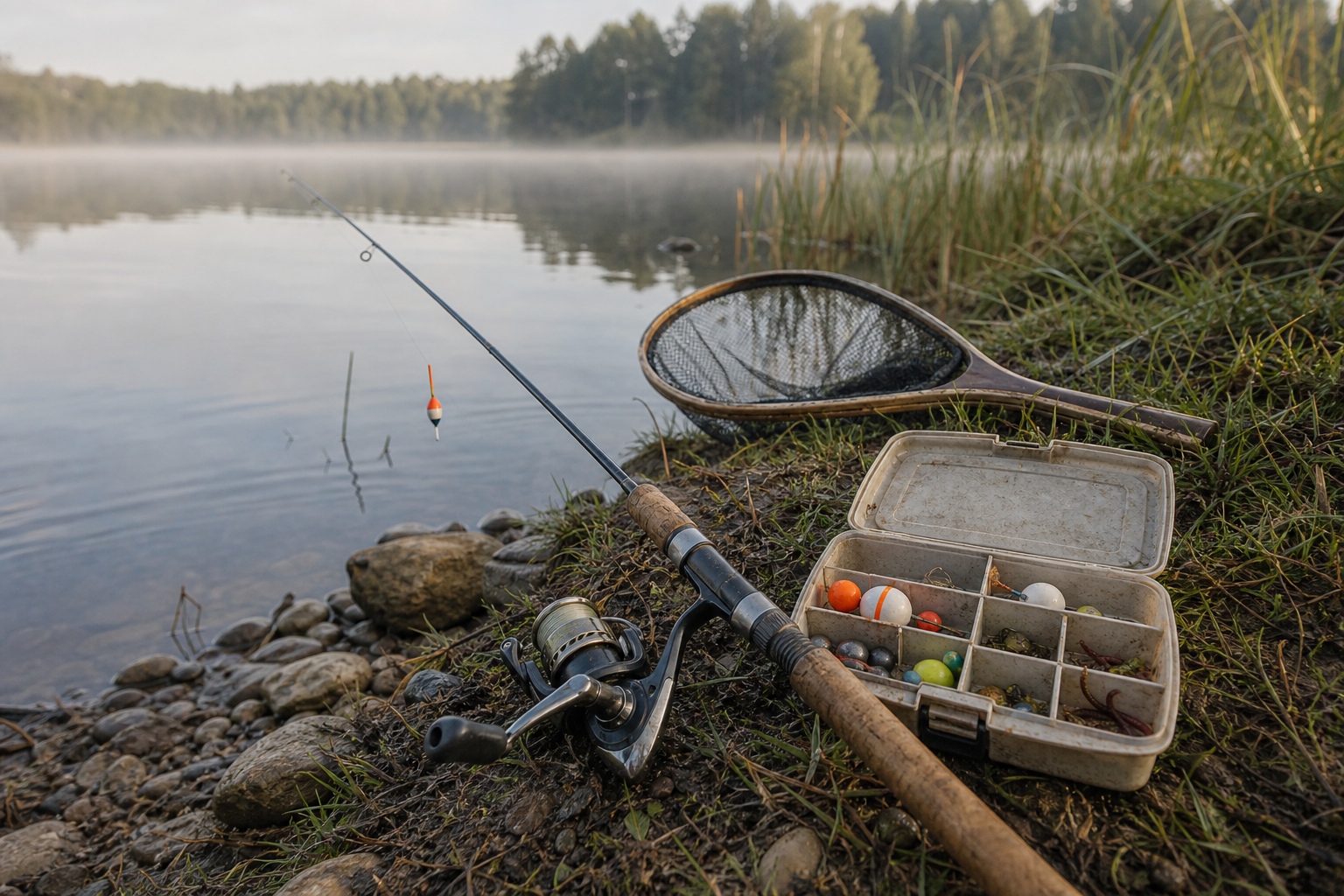
Beginner Coarse Fishing Kits: What to Buy and What to Expect
Practical advice on choosing a beginner coarse fishing kit for canals and stillwaters. Learn core essentials, what to avoid in cheap bundles and what to buy before your first session.
If you're looking at beginner coarse fishing kits for the first time, the choice can feel more complicated than it should. Bundled starter sets sit alongside individual rods, reels and tackle trays across every price point, and it is not always obvious whether a complete fishing kit for beginners represents good value or a box of compromises. This article gives a direct answer on whether a bundle makes sense for most newcomers, explains what a sensible kit should contain, and looks honestly at the types of kit currently available at mainstream UK retailers. The focus throughout is stillwaters and canals: the kind of venues most people fish first.
Kit or Components? The Decision Most Beginners Face First
For the majority of first-time adult anglers planning a handful of sessions on a commercial stillwater or a local canal, a bundled starter kit is a reasonable first purchase. The reason is straightforward: a kit removes the guesswork around compatibility. You get a rod and reel sized to work together, line already spooled, and a basic selection of float tackle to get you started. You spend less time in the tackle shop trying to match components and more time actually fishing.
The real risk in budget bundles is not the rod length or reel size. It is the accessories. Many kits pad out their piece count with floats in sizes you will rarely use, hooks tied to line that is too heavy for the fish you are targeting, and fiddly bits of terminal tackle that serve no purpose on a first session. A kit with forty items is not automatically better than one with twenty.
Buying components separately makes more sense if you have already decided on a specific style of fishing, such as feeder fishing on a river, or if you have some existing tackle you want to build around. For everyone else, a serviceable bundle with a solid rod and reel at its core is the sensible starting point.
The right question to ask about any kit
Before comparing the list of contents, ask whether the rod and reel are the right weight and length for where you plan to fish. A kit built around a capable 9–10 ft float rod and a reliable fixed-spool reel is worth more than one with twice as many accessories but a flimsy setup.
What a Good Beginner Coarse Fishing Kit Should Include
The essentials in a coarse fishing starter set are not complicated, but understanding why each item is there helps you judge whether a kit is worth the price. What follows covers the core items and how they relate to typical stillwater and canal fishing in the UK.
A 9 to 10 ft float rod is the most versatile starting length. It gives you enough reach to present a float properly without being unwieldy on a narrow canal bank or a small match lake. Rod action matters less to beginners than rod length: most entry-level float rods have a medium to tip action that handles small to medium fish well enough.
A fixed-spool reel pre-spooled with monofilament line saves significant setup time. Spooling a reel correctly takes practice; a kit that arrives ready to fish is genuinely useful for a first session. Look for line in the 3 lb to 5 lb range for general stillwater float fishing.
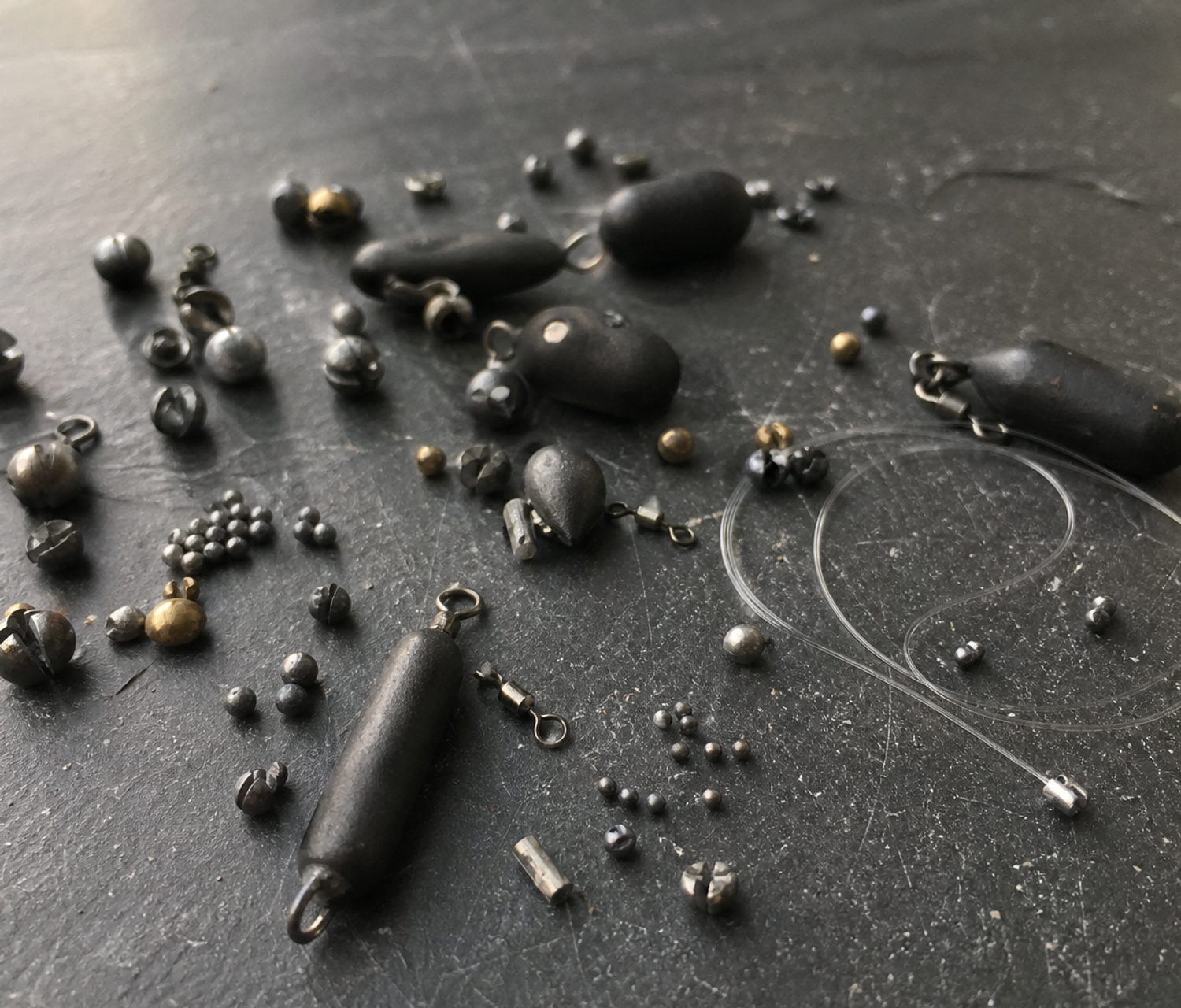
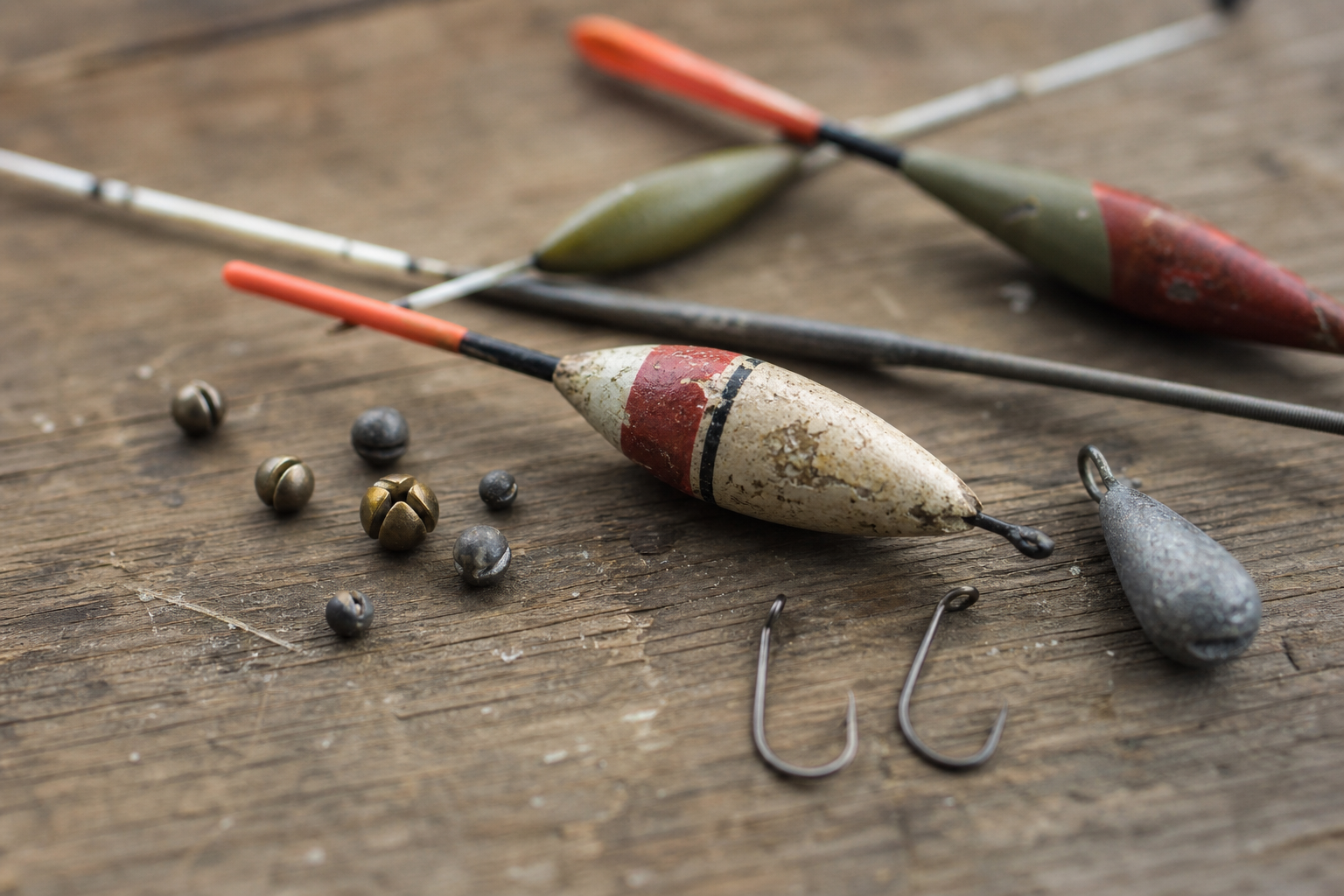
A plummet is the item most often overlooked in kit descriptions, but it is important. Clipping it to your hook and dropping it in the water tells you the depth of your swim before you start fishing, which is how you set your float at the right level. Without it, you are guessing.
Hooks to nylon in a barbless pattern are effectively compulsory rather than optional. The majority of UK commercial fisheries require barbless hooks as a condition of fishing, both for easier unhooking and for fish welfare. Most decent kits now include them; check before you buy.
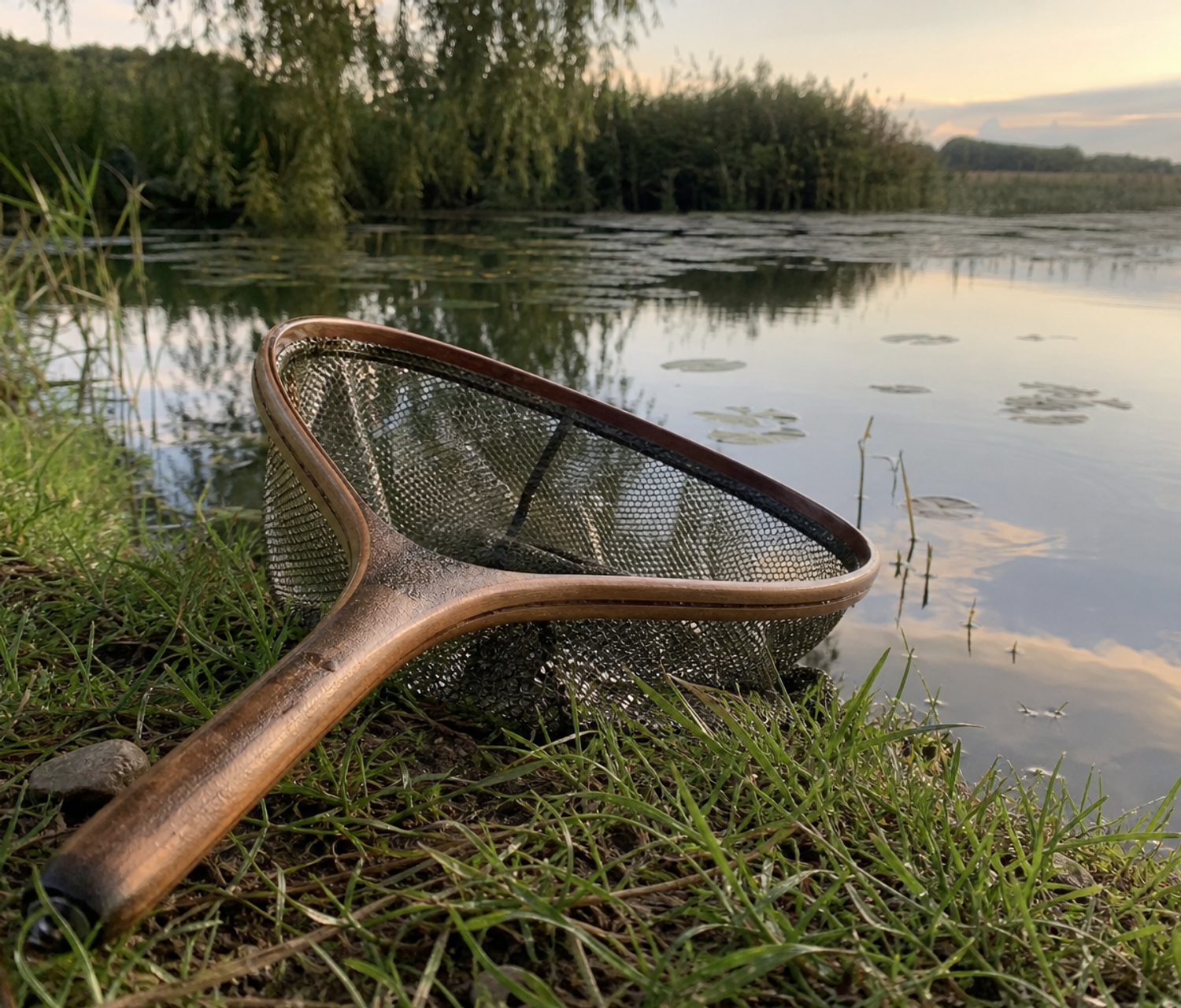
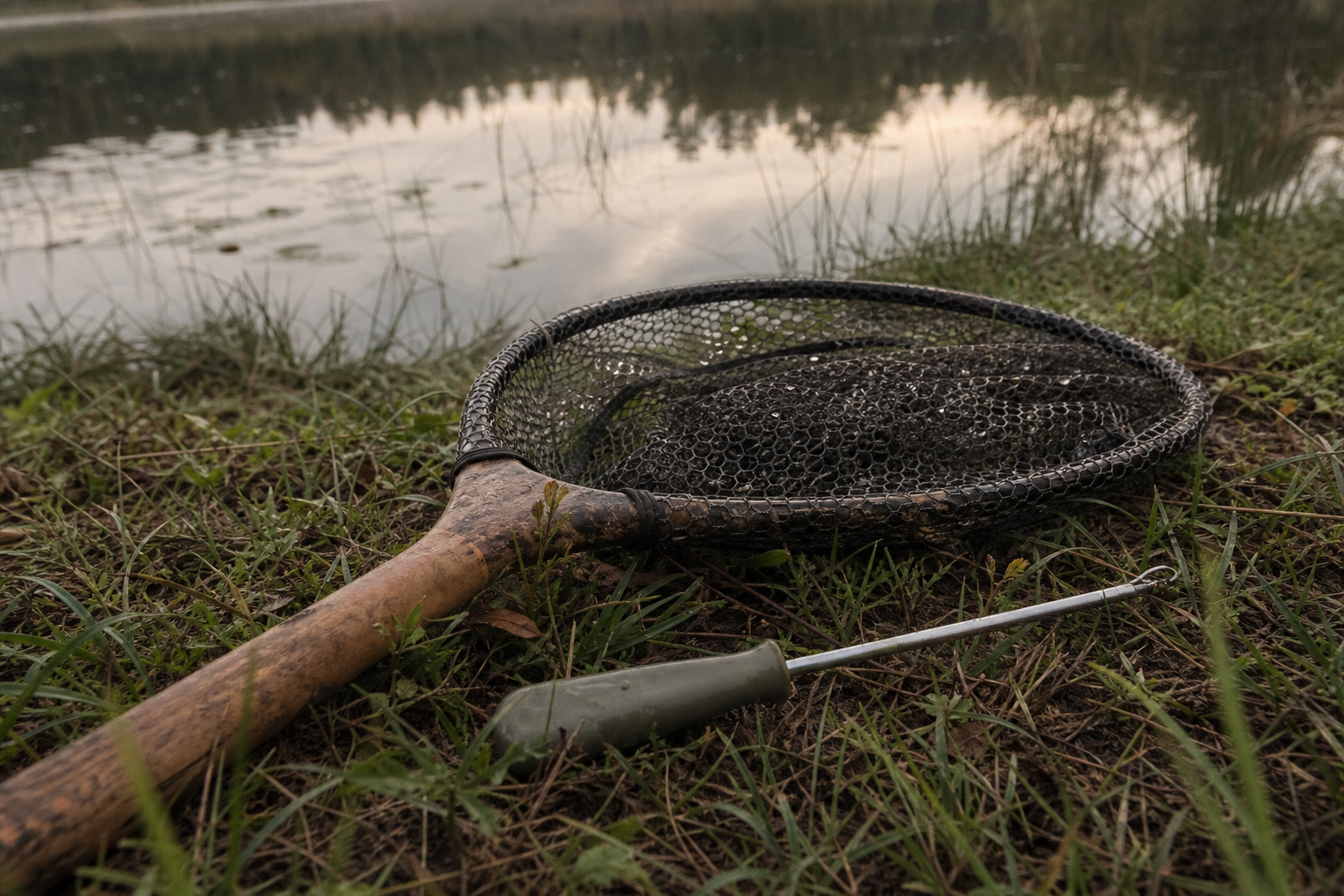
A disgorger and a landing net complete the basic fish-care setup. The disgorger lets you remove a hook cleanly without putting your fingers into the fish's mouth. The landing net means you can bring a fish to the bank safely rather than swinging it out of the water. Neither item is optional on any water where you expect to catch.
| Item | Essential or optional | Notes |
|---|---|---|
| 9 to 10 ft float rod | Essential | Versatile for lakes, canals and rivers |
| Fixed-spool reel with monofilament line | Essential | Look for a pre-spooled option to simplify setup |
| Selection of floats | Essential | Three or four patterns is enough to start |
| Split shot and a plummet | Essential | The plummet lets you find the correct depth before fishing |
| Hooks to nylon (barbless) | Essential | Required on most UK commercial fisheries |
| Disgorger | Essential | Needed for safe, quick unhooking |
| Landing net | Essential | Required for fish care on virtually all UK waters |
| Seat box or tackle bag | Helpful | Many kits include one; you can add it separately |
| Rod rest or bank sticks | Helpful | Useful but not critical for a first session |
| Unhooking mat | Needed for carp | Required on most carp-focused waters |
One distinction worth making before you look at any specific kit: there is a meaningful difference between kits aimed at light silverfish float fishing and those that claim to cover carp fishing. A kit designed for roach, perch and bream on a canal or small lake will typically have a lighter rod, finer line and smaller hooks. A kit positioned for carp needs a stronger rod, heavier line and, on most commercial carp fisheries, an unhooking mat. A single bundle rarely serves both purposes well. Know which type of fishing you are planning before you compare kits.
The Kits Worth Considering
What follows is a researched assessment of the main types of beginner coarse fishing kit available at mainstream UK retailers and marketplaces. It is not based on hands-on testing of every product described; the aim is to help you understand what each category offers and where the trade-offs sit. Prices and contents change regularly, so verify the current listing before you buy.
A Budget Bundle from a Marketplace (around £35 to £65)
At the lower end of the price range, UK marketplaces carry a wide range of all-in-one coarse fishing starter sets from unbranded or own-label suppliers. For thirty-five to sixty-five pounds, you typically receive a two or three-piece rod, a basic fixed-spool reel, a quantity of pre-tied hooks, an assortment of floats, split shot, a disgorger and sometimes a small tackle bag.
The rod and reel in this price bracket are functional for light float fishing on a calm lake or canal. You should not expect the reel to have a smooth drag or the rod to have any notable sensitivity, but for a first session targeting roach or small perch, they will do the job. The most consistent weak point is the line: it may be heavier than ideal for the species you are targeting, or it may be thin and low-quality in a way that increases the risk of breakage. Replacing the line before your first session is a sensible precaution, and budget monofilament from a tackle shop costs very little.
The accessories in these bundles are variable. You may receive more floats than you will ever use and fewer barbless hooks than you need. A plummet is often absent, which is worth noting before you buy.
This category suits someone who wants to test whether coarse fishing suits them before committing more money. It is not the right starting point for anyone planning to fish a carp-only water, where the rod and line rating are likely to be inadequate.
A Float-Focused Starter Kit (10 ft carbon rod, seat box included)
A step up from the basic marketplace bundle, this category includes kits built around a stated carbon fibre rod of around 10 ft, a fixed-spool reel and a seat box or holdall to carry everything. The seat box is a practical addition: it gives you somewhere to sit and organise your tackle, which matters on a session of any length.
Kits in this style are better matched to a proper session on a commercial match lake or a well-stocked canal fishery. The rod length and seat box suggest they are designed for someone who plans to fish regularly rather than occasionally. The float and terminal tackle included is usually more purposeful than in a budget bundle: fewer redundant items and a more coherent selection for waggler or stick float fishing.
The honest limitation of this category is that the seat box is often small and the seat less comfortable than a dedicated model. If you find yourself fishing for three or four hours at a stretch, you will notice it. The seat box can be upgraded later; the rod and reel are what matter initially.
A Compact Telescopic Kit (travel-friendly, pre-loaded reel)
Telescopic rods collapse to a fraction of their fishing length and are simple to transport. Kits built around a telescopic float rod of around 3 m (roughly 10 ft) are available at UK outdoor retailers and online, and some of the better examples include a pre-loaded reel, barbless hooks, a plummet and a disgorger.
The appeal is obvious: the whole outfit fits in a rucksack, and there is nothing complicated about extending the sections and starting to fish. For occasional anglers, walkers who want to fish a pond while passing, or anyone who doesn't want to carry a rod holdall on public transport, a telescopic kit solves a real problem.
The trade-off is in rod performance. Telescopic rods are generally less sensitive than sectional rods at the same price point, and the action can feel stiff or inconsistent. For light float fishing on a quiet pond, this will not matter much. If you develop a stronger interest in the sport, a sectional rod will feel noticeably better quite quickly. Think of this category as a genuine starter rather than a long-term tool.
A Branded Combo from a Recognised Tackle Name
Brands with established reputations in UK fishing retail, such as Shakespeare, produce rod and reel combos aimed at beginners that offer a meaningful step up in build quality and reliability without requiring a full tackle-shop budget. A float combo in this category typically pairs a purpose-designed float rod with a matched fixed-spool reel, and the reel mechanics, in particular, tend to be noticeably smoother than in unbranded alternatives.
The important thing to understand about this category is that a branded combo is usually just the rod and reel, sometimes with line included. It is not a complete coarse fishing starter set. You will still need to source floats, hooks, split shot, a plummet, a disgorger and a landing net separately. That is not a criticism: it means you can choose accessories that suit your fishing rather than accepting whatever the bundle includes.
For someone who wants a reliable foundation to build around, this approach makes good sense. The core setup is better quality, and you can add the right accessories for your venue rather than working around whatever the bundle provides.
A Multi-Technique Set (float, feeder and basic carp)
At the larger end of the market, complete coarse fishing sets exist that include two or more rods, two reels and a broader selection of tackle covering float fishing, feeder fishing and light carp fishing. These sets are aimed at anglers who want to try different methods without buying multiple outfits.
The honest verdict on this category for a genuine beginner is that it can be more hindrance than help. Arriving at your first session with two rods, two reels and a tackle tray divided between three different styles of fishing creates decisions at a point when you are still working out how to set up a float rig. Most beginners benefit from doing one thing well on the first few sessions before branching into other methods.
A multi-technique set is better suited to someone returning to fishing after a long gap who knows they want to cover different approaches from the start, or to someone buying a kit for a family where different members plan to fish differently. For a first-time adult angler starting from scratch, a focused float kit is the more manageable option.
How to Choose the Right Kit for Where You Fish
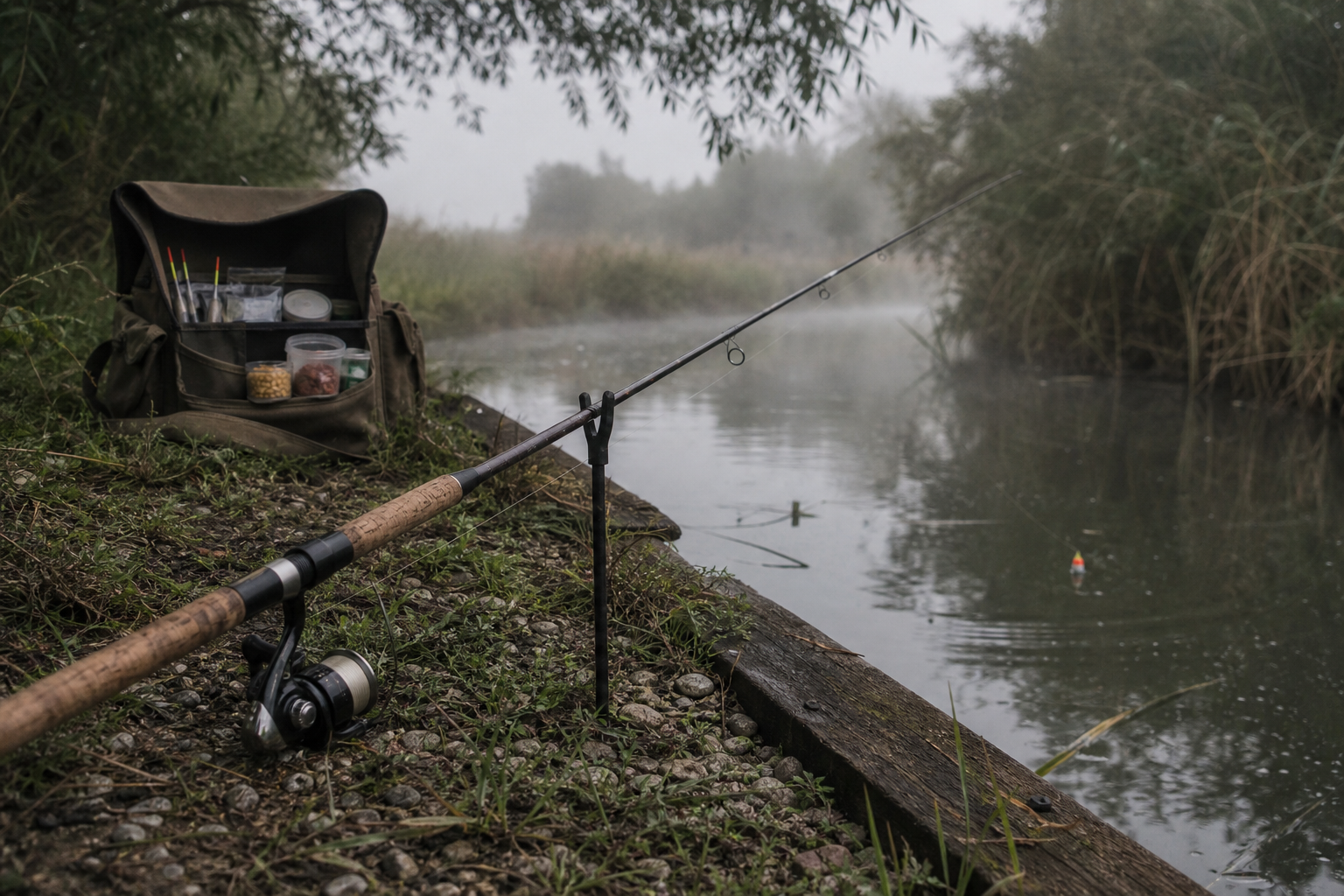
The type of water you plan to fish should shape your kit choice more than any specification on the product listing. A setup that is well matched to a quiet canal will be underequipped on a commercial carp fishery, and the reverse is also true.
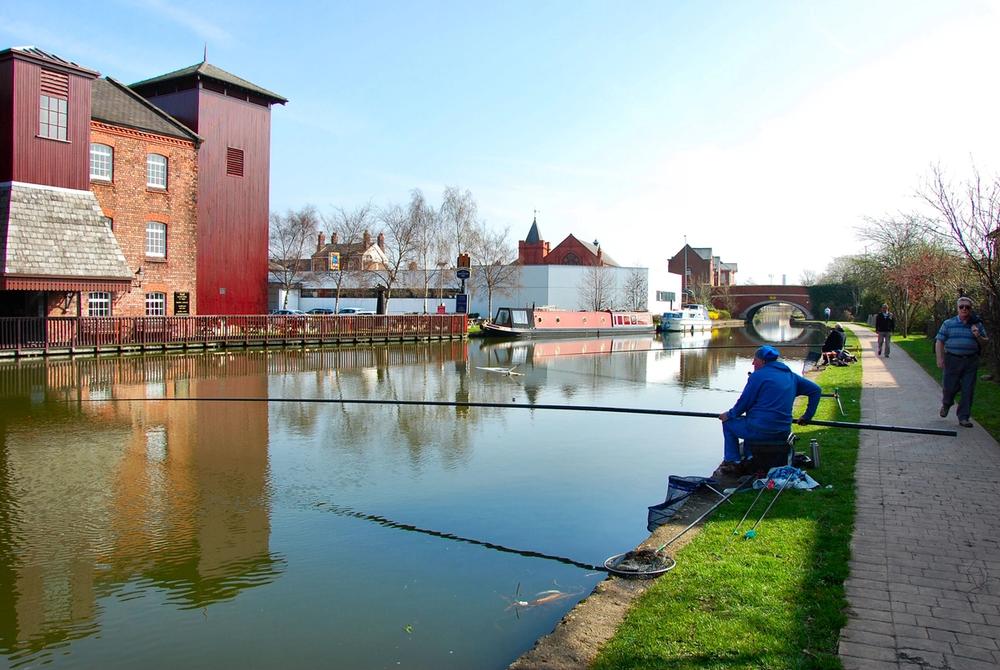
Canals and small stillwaters suit a light float setup: a 9 to 10 ft rod, line in the 3 lb to 4 lb range, and a straightforward waggler or stick float. The fish you are likely to encounter (roach, perch, small bream) do not require heavy tackle, and a lighter setup will feel more comfortable to use and more rewarding when you start catching. A compact or telescopic kit is genuinely usable on this type of water.
Commercial carp fisheries have different demands. The fish are larger, the fishery rules are often stricter, and an unhooking mat will almost certainly be required. Check the fishery's rules before you arrive, because many specify minimum line strength, barbless hooks and the unhooking mat as conditions of fishing. A rod with a test curve of around 1 lb to 1.5 lb and line of 5 lb to 6 lb is a more appropriate starting point than a light silverfish outfit.
If you are already confident about the type of fishing you want to do, buying a rod and reel separately from a recognised brand and adding your own accessories is a sensible route. You get better individual components and you avoid paying for accessories that do not suit your venue. For anyone who simply wants to get to the water as quickly as possible, a focused bundled kit is the more practical option.
Match the kit to the venue, not the other way around
A compact float setup is well suited to canals, small ponds and commercial match lakes stocked with roach and bream. If your first venue is a larger commercial carp fishery, check whether the rod's test curve and line rating are appropriate before you buy.
The Rod Licence and Close Season: What You Need Before Your First Session
Before you buy anything else, you need a rod licence. In England and Wales, anyone aged 13 or over fishing with a rod and line in freshwater is legally required to hold one. This is not a formality: fishing without a licence is a criminal offence carrying a fine of up to £2,500. Licences are bought through the Environment Agency website and are straightforward to obtain.
Rod licence costs in England and Wales (2025)
- Adult 12-month trout and coarse licence (up to 2 rods)
- £36.80
- Age 13–16 licence
- Free
- Under 13
- No licence needed
- Adult 1-day licence
- Available
Buy via the Environment Agency website
Must still be obtained before fishing
No action required
Useful for a single trial session
The licence covers your right to fish with a rod and line. It does not give you permission to fish any particular water. To fish a specific lake, canal or river, you also need a day ticket from the fishery or membership of a club that has rights on that water. These are separate things.
If you plan to fish a river, be aware of the close season. In England and Wales, rivers, streams, drains and most Sites of Special Scientific Interest are closed to fishing between 15 March and 15 June each year. This does not apply to most commercial stillwaters, which are open year-round, but always check with the fishery before visiting rather than assuming.
If you are fishing in Northern Ireland, the system is separate: you need a Northern Ireland rod licence plus a permit or day ticket, from DAERA or the Loughs Agency depending on the area, and an Environment Agency licence is not valid there. Scotland operates under its own framework entirely; check with NatureScot and the relevant local angling club or authority for the water you plan to fish.
Barbless hooks are required on the majority of UK commercial fisheries. This is a fishery rule rather than a national law, but it is near-universal in practice. Most beginner kits now include barbless hooks as standard; confirm this before buying rather than assuming.
What to Buy Alongside Your Kit
Most kits, even well-specified ones, do not include bait. For float fishing on a canal or small lake, maggots are the most accessible and effective starting bait: they work on most species, they are sold at most tackle shops and online, and they are straightforward to use with a hook to nylon. Bread is a useful alternative if you prefer not to handle live bait, particularly for roach and chub.
A small bait container is worth having if your kit does not include one. A simple screw-top box from a tackle shop costs very little and keeps maggots contained during a session.
If you are fishing a carp-oriented water, an unhooking mat is likely to be required by the fishery and should be treated as part of your basic kit rather than an optional extra. Fish care on carp waters includes laying the fish on a wet unhooking mat while you remove the hook, never on bare grass or hard ground.
Loose feed or groundbait is not necessary on a first session. It is a useful tool for attracting and holding fish in your swim, but learning to use it effectively is a separate skill. Keep the first session simple and focus on getting your float set at the right depth and presenting the bait correctly.
The best beginner coarse fishing kit is not the one with the longest contents list. It is the one that matches the water you plan to fish, includes a decent rod and reel at its core, and gets you set up without unnecessary complications. Buy your rod licence before you go, check the fishery's rules in advance, and accept that your setup will evolve once you have had a few sessions and worked out what you actually need. Starting simple and refining as you go is a more reliable route than buying everything at once and hoping it all fits together.
Frequently asked questions
What should a beginner coarse fishing kit include?
A sensible starter kit has a 9 to 10 ft float rod, a fixed spool reel pre-spooled with 3 lb to 5 lb monofilament, a plummet, a small selection of floats, barbless hooks on nylon, a disgorger and a landing net.
Is buying a bundled beginner coarse fishing kit a good idea?
Yes for most newcomers. A focused bundle removes compatibility guesswork and gets you fishing quickly. Check the rod and reel quality and watch for unnecessary or low quality accessories.
Can a telescopic kit be a long term solution?
Telescopic kits are excellent for travel and casual fishing but they are generally less sensitive than sectional rods. If you progress quickly you will notice the difference and may want to upgrade.
Do I need a rod licence before I go fishing?
Yes. In England and Wales anyone aged 13 or over must hold a rod licence to fish with a rod and line. Licences are bought from the Environment Agency. Scotland and Northern Ireland use separate systems.
How do I choose the right kit for the water I plan to fish?
Match the kit to the venue. Canals and small stillwaters suit a light 9 to 10 ft float setup with 3 lb to 4 lb line. Commercial carp fisheries require stronger rods, heavier line and usually an unhooking mat.

Lake & Lines Editorial Team
Editorial team
The Lake & Lines editorial team brings together freshwater fishing guides and researched tackle advice, helping beginners and returning anglers prepare for better days by the water.