Float Fishing or Feeder Fishing? How to Choose on a UK Commercial Lake
On UK commercial lakes, float fishing suits near-bank, calm pegs and active sessions; feeder fishing is better for range, depth and windy or choppy conditions.
At a Glance
- Float fishing is best for near-bank swims, calm conditions and active, regular feeding.
- Feeder fishing works well for range, deep pegs and windy or choppy water where rigs sit on the bottom.
- Decide by target species, peg depth and range, wind conditions and how you want to spend the session.
- Bring both rods if possible and switch as conditions develop; first-timers can start with a float rod.
- Always check rod licence requirements, buy a day ticket and follow fishery rules such as barbless hooks.
If you are heading to a commercial stillwater (a managed, stocked, day-ticket fishery) for the first time, or returning after a long break, the question of float fishing or feeder fishing is one of the first practical choices you will face. Both methods work well on these waters. Neither is the "correct" one. The right answer depends on the peg you draw, the conditions on the day, and how you want to fish. This article will help you work that out before you cast a line.
What is the difference between float and feeder fishing?
The two methods present bait differently, detect bites differently, and suit different areas of a lake. Understanding the basic mechanics of each is enough to make an informed choice before your session.
How float fishing works
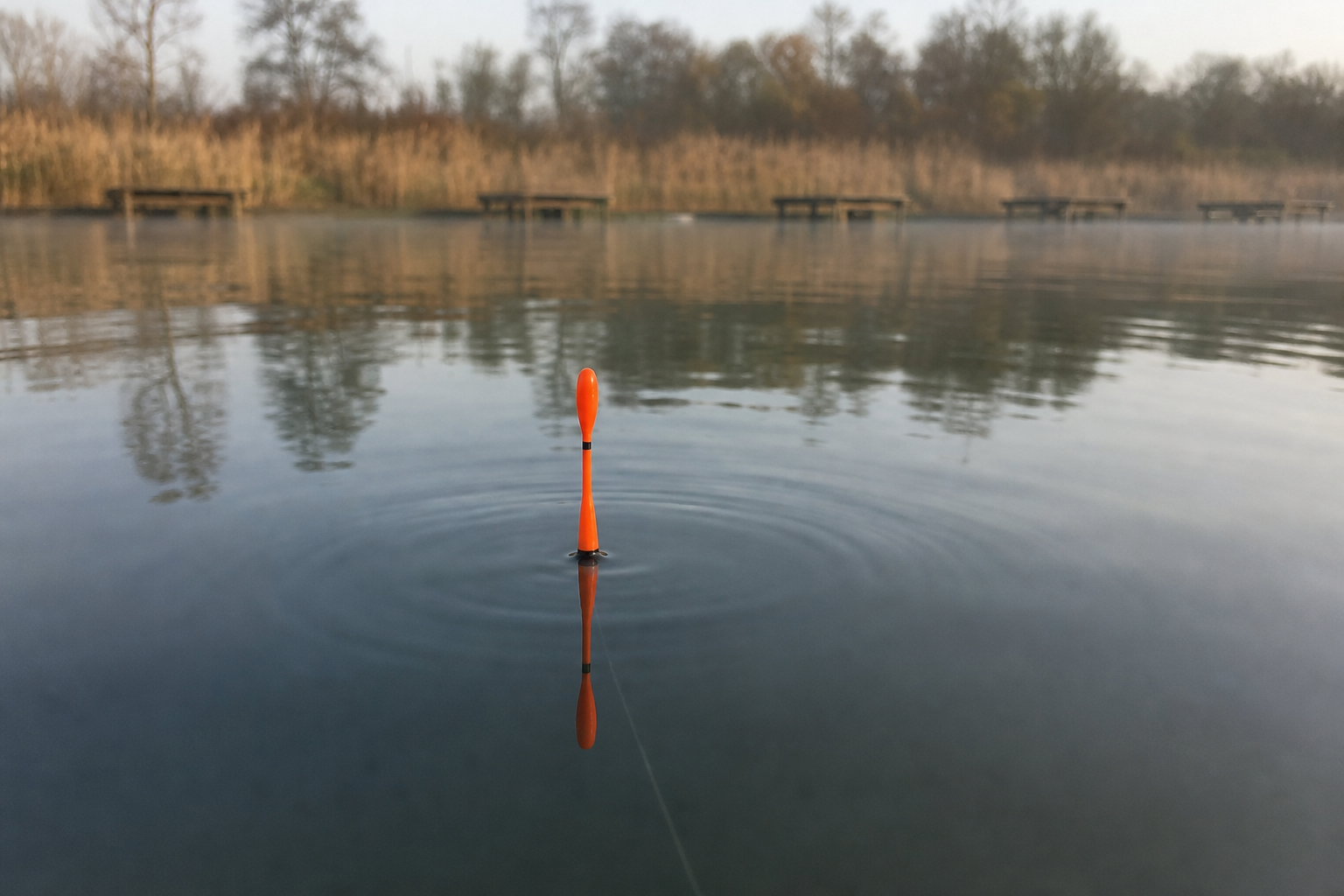
A float is attached to the line and weighted with small shot so that it sits upright in the water. Your hookbait hangs below it at a depth you set. When a fish takes the bait, the float dips, lifts, or slides away: a clear visual signal to strike. You attract fish to the area by throwing or catapulting loose feed (free offerings of pellets, maggots or corn, for example) around the float. The method rewards regular small feeds and lets you search a swim by adjusting depth or moving the float line around.
How feeder fishing works
Instead of a float, a weighted feeder is fixed or run on the line above the hooklength. The feeder carries groundbait or pellets to the bottom, placing a concentrated parcel of feed right next to your hookbait. Bite detection comes through a quiver tip: a fine, flexible extension at the end of the rod that bends or taps when a fish picks up the bait. You cast to the same spot repeatedly, building a baited area on the lakebed. On commercial fisheries, running or semi-fixed method feeder arrangements are standard: these allow the feeder to eject from the rig if the line breaks, which is safer for fish. Fixed-lead setups are not suitable and are not permitted on most commercial waters.
| Aspect | Float fishing | Feeder fishing |
|---|---|---|
| Bite detection | Float dips, lifts or slides away (visual) | Quiver tip pulls, taps or drops back |
| Best range | Short to medium, typically 5–25 m | Medium to long, typically 20–60 m+ |
| Best depth | Shallow to moderate | Deep pegs and open water |
| Wind and waves | Float dragged in strong wind; best in calm or light breeze | Rig sits on the bottom; more reliable in rough weather |
| Feeding method | Loose feed by hand, catapult or pole pot | Feed delivered with hookbait in the feeder itself |
| Learning curve | Visual feedback makes it very accessible for beginners | Requires more attention to casting accuracy and timing |
When does float fishing make more sense?
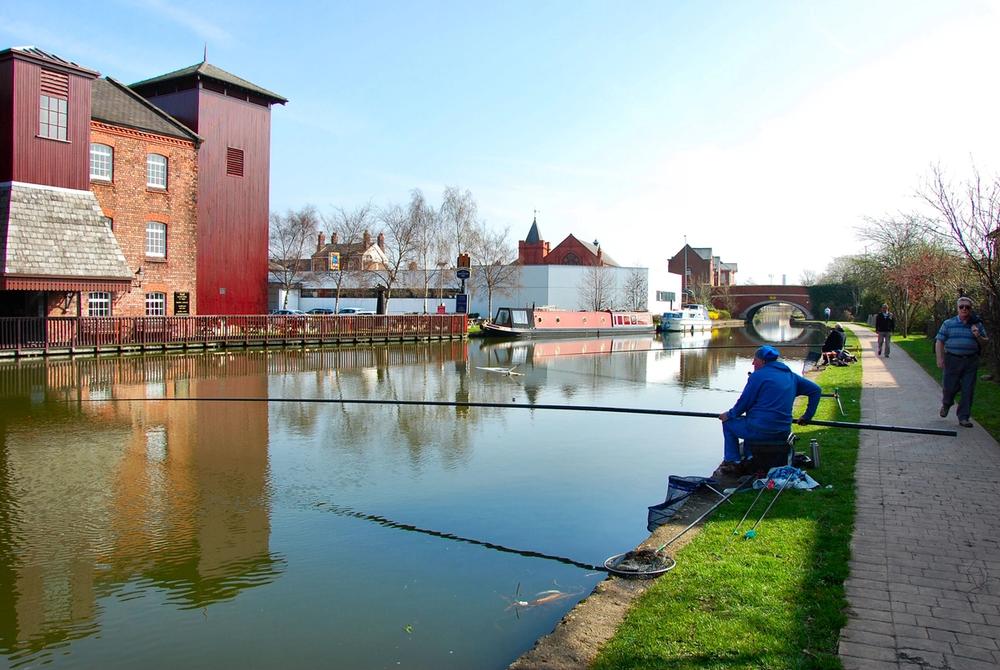
Float fishing comes into its own in the margins and near-bank swims that most commercial lakes are designed around. In warmer months, carp and F1s (a hybrid between carp and crucian) patrol these areas actively, and a float fished at close range puts your bait right in their path. You can cover water efficiently, moving the rig or adjusting depth until you find where fish are sitting.
Calm or light-wind days are where the method is at its best. When the surface is settled, a well-cocked float is easy to read and even easier to control. Mixed bags of roach, skimmers, F1s and smaller carp are well suited to this style: the float gives instant visual feedback for quick-biting silverfish and confident carp alike, and you can strike at the right moment without second-guessing yourself.
There is also a temperament element here. Float fishing is an active method. You are feeding regularly, watching the float, adjusting your presentation and staying engaged with the swim. If that kind of involvement appeals to you, float fishing will feel natural from early on.
The limits are real, though. A strong crosswind drags the float off its line and makes presentation ragged. Long-range swims beyond 20 to 25 metres are difficult to fish accurately with a waggler float. Very deep pegs can also cause problems, because setting the correct depth and keeping the rig stable becomes harder as depth increases. In those conditions, a feeder often makes more sense.
When does feeder fishing make more sense?
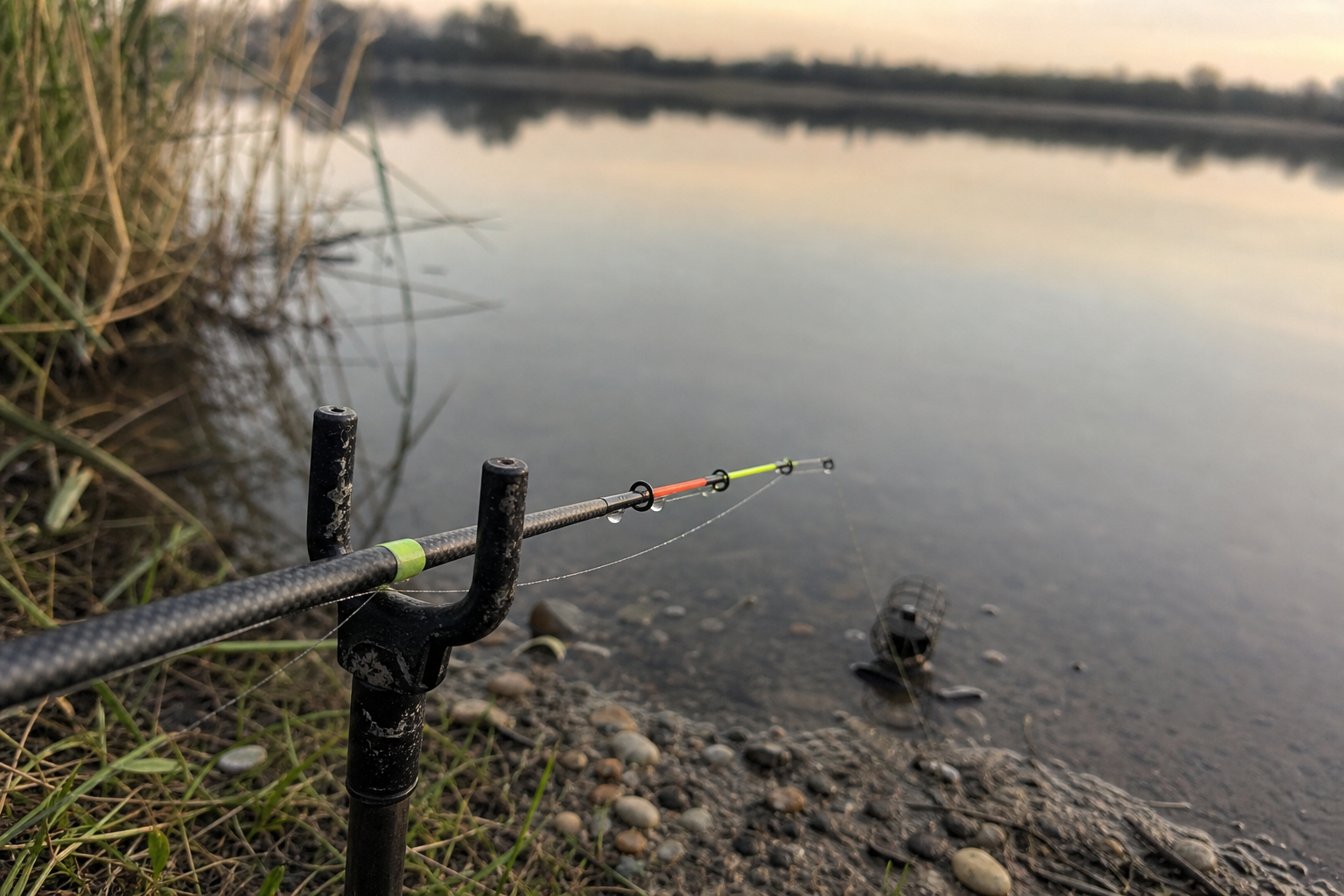
Feeder fishing comes into its own at range and in open water. On larger commercial carp lakes where the fish spend time out in the middle, a method feeder cast to 30 or 40 metres puts your bait where the fish actually are, something a float setup cannot do reliably. Deep pegs present a similar argument: placing bait accurately at depth and keeping it there is far easier with a feeder on the lakebed than with a float rigged at full depth in a crosswind.
Windy or choppy conditions favour the feeder for straightforward reasons: the rig sits on the bottom and is not affected by surface drift. On a day when a float would be dragged around constantly, a feeder rod resting on a rod rest with the tip angled at the water gives you a stable, readable presentation.
There is a routine quality to feeder fishing that some anglers find very productive. Cast to the same spot, clip up the line to hit the same distance each time, wait for the tip to show a bite, reel in and recast with a fresh load of feed in the feeder. This structured approach builds a baited patch over a session and can produce good catches of bream, tench and carp from heavily stocked waters.
The method does ask a little more of you at the start: rig setup involves more components, casting accuracy matters (clipping the line to a consistent distance is an easy fix), and reading a quiver tip takes a few bites to get used to. None of that is difficult, but it is worth knowing before you arrive.
A practical way to decide before your session
Ask yourself these four questions when you arrive at the lake, ideally before you set up.
- What are you mainly hoping to catch? Carp at range or from open water points you towards a feeder. A mixed bag of roach, skimmers, F1s and carp close in suits a float.
- How deep and how far is the peg? If the peg fishes beyond 20 to 25 metres, or the water is noticeably deep, a feeder will serve you better. If the fish are feeding close in and the depth is manageable, a float will do the job well.
- What is the wind doing? A strong or gusty crosswind makes float control difficult and tiring. On those days, a feeder rod with the rig anchored on the bottom gives you a much cleaner presentation. Calm or light conditions: either method works, so choose by preference.
- How do you want to spend the session? If you want to stay active, feed regularly and watch for bites with your eyes, fish the float. If you prefer a more methodical routine of casting to a fixed spot and watching a still quiver tip, feeder fishing will suit you better.
Many experienced anglers on commercial lakes bring both a float rod and a feeder rod and switch between them as conditions develop or as the fish move. That is a realistic goal for a returning angler planning their second or third visit, not a standard a first-timer needs to match.
Starting out with one method
If you are fishing a commercial lake for the first time and can only bring one outfit, a simple float setup is usually the easier starting point. It gives you clear visual feedback and lets you concentrate on reading the swim. Once you are comfortable with that, adding a feeder rod for your next session opens up considerably more of the lake.
A few things to sort out before you fish
In England and Wales, you need a valid Environment Agency rod licence before fishing anywhere with a rod and line. The rules are different in Scotland and Northern Ireland, so check the relevant country's guidance if you are not fishing in England or Wales. A rod licence is not expensive and is straightforward to buy online.
A rod licence does not, on its own, give you permission to fish a specific water. You also need a day ticket or a club or fishery membership for the venue. Most commercial lakes sell day tickets on the bank or through their website.
Fishery rules sit on top of all of this and vary by venue. On commercial stillwaters, barbless hooks are almost universally required: check before you rig up, because using a barbed hook is a common reason anglers are asked to leave. Some fisheries also restrict the type of feeder you can use, or limit certain baits. Most enclosed commercial stillwaters can be fished all year round, which is one of their advantages over rivers in England and Wales, where a statutory close season runs from 15 March to 15 June.
Whichever way you decide to fish
Both float fishing and feeder fishing are well within reach of anyone visiting a commercial lake for the first time. The choice is not about skill level: it is about matching the method to the water, the day and the way you want to fish. Start with the approach that fits your conditions, get comfortable with it, and the other one will make more sense when you are ready to add it.
When you know which direction suits your next session, the float fishing setup guide and the method feeder setup guide will walk you through the equipment and rigs in detail.
Frequently asked questions
Which method is best for a beginner on a commercial lake?
Float fishing is usually the easier starting point. The visual feedback from a float makes bite detection simple and helps you learn to read a swim. A feeder rod can be added once you are comfortable.
When should I choose feeder fishing?
Choose feeder fishing for longer range, deep pegs, or windy and choppy conditions. It places bait on the lakebed and builds a baited patch that is effective for carp, bream and tench.
When does float fishing make more sense?
Float fishing suits margins, near-bank swims and calm days. It is ideal for mixed bags of roach, skimmers, F1s and smaller carp and for anglers who want a more active, hands-on session.
Do I need any licences or permissions to fish?
Yes. In England and Wales you need a valid Environment Agency rod licence plus a day ticket or fishery membership for the venue. Check local fishery rules about barbless hooks and permitted feeders.
Should I bring both a float rod and a feeder rod?
If you can, yes. Many anglers bring both and switch as conditions change. For a first visit, a single float setup is a realistic and effective starting choice.
Lake & Lines Editorial Team
Editorial team
The Lake & Lines editorial team brings together freshwater fishing guides and researched tackle advice, helping beginners and returning anglers prepare for better days by the water.