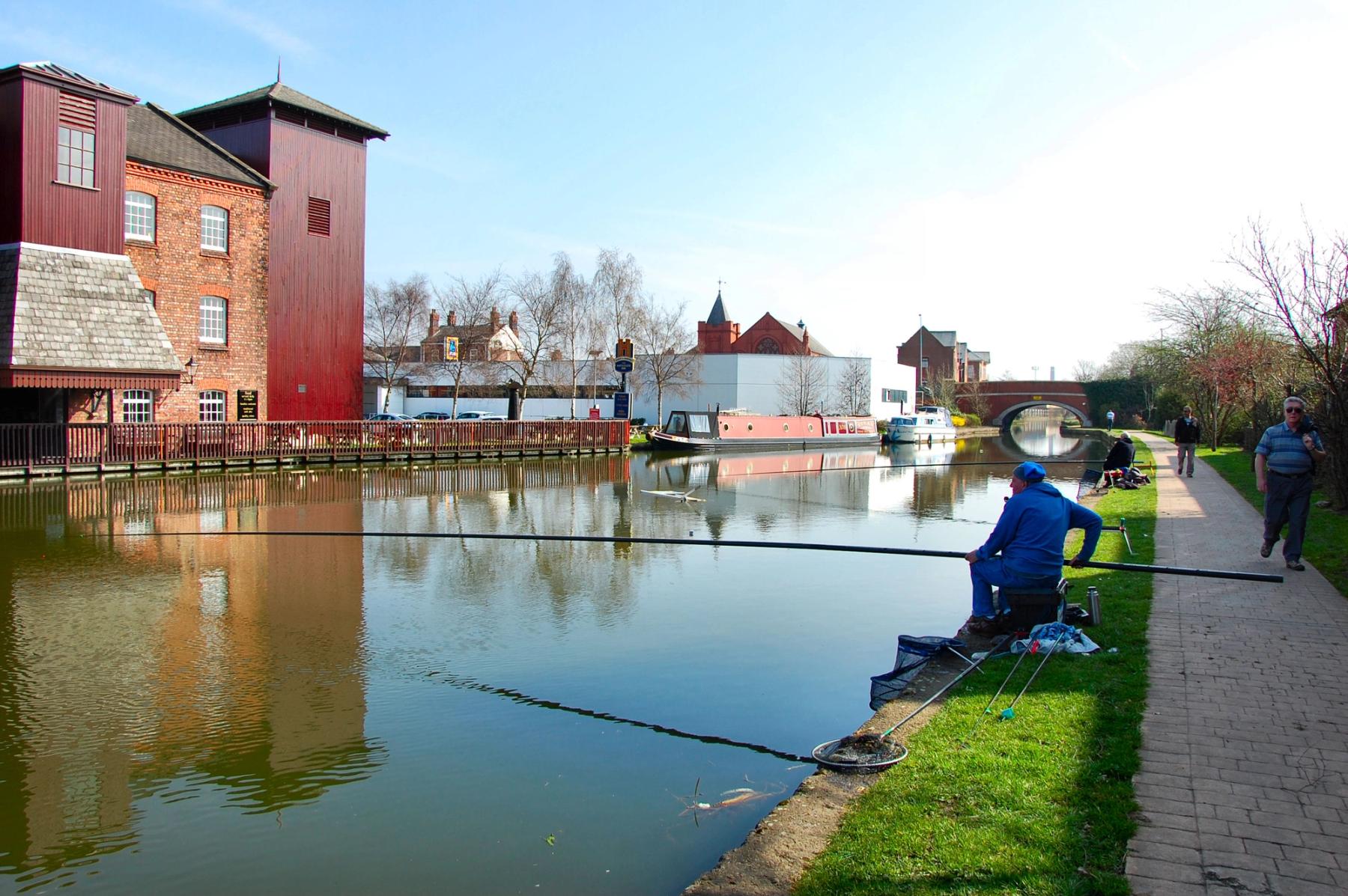
Long poles positioned along a wide canal.
Photography: Ronald Saunders / Openverse. CC BY-SA 2.0
Choosing Your First Fishing Pole: A Practical Buyer's Guide for Beginners
Short ready-elasticated margin poles (5-6 m) suit most UK stillwaters; simple whips are preferable for canals. Check rod licence, landing net and unhooking mat before you fish.
You have decided you want a pole. This guide will not talk you out of that. What it will do is explain the difference between a pole and a whip, set out what a beginner package actually includes, and help you identify the type and length most likely to suit the fishing you plan to do. For most UK stillwater and canal anglers, the best pole for beginners is either a short, ready-elasticated margin pole or a simple whip. By the end of this guide, you will know which one you need and what else to bring on your first session.
Pole or Whip: What Is the Difference?
Walk into any tackle shop or browse a retailer's website and you will see poles and whips listed in the same category, sometimes with little to tell them apart at first glance. They are different tools, and choosing the wrong one for your fishing will cause frustration. Here is the distinction that matters.
| Feature | Pole | Whip |
|---|---|---|
| Elastic | Internal elastic in top sections | No elastic; line tied direct to tip |
| Typical starter length | Around 4–6 m | Around 4–6 m or shorter |
| Target fish | Carp, tench, bream on commercial stillwaters | Small fish: roach, perch, small skimmers on canals and ponds |
| Rig attachment | Line attached via connector to elastic | Line tied directly to tip ring |
| Complexity | Slightly more setup, but manageable | Simple and fast to rig |
| Best venue fit | Commercial fisheries and club lakes | Canals, drains, small ponds |
The key difference is elastic. A pole uses internal elastic running through the top one or two sections to absorb the pull of a hooked fish. A whip has no elastic at all; the line is tied directly to the tip ring, which means it works well for small fish that do not need cushioning, but it is not the right tool when carp or tench are involved. Understanding this distinction will stop you from buying a whip for a commercial carp fishery, or an elasticated pole for a canal where a lighter, simpler setup would serve you better.
Do You Really Need a Pole to Start?
It is worth being straight about this. Most expert guidance aimed at returning and weekend coarse anglers recommends a 10 to 12 ft float or match rod as the more versatile first tool for UK coarse fishing. A rod forgives casting and striking errors, works at longer range, and suits a wider variety of venue types. If you are putting together your very first fishing setup from scratch, reading through the float rod buyer's guide alongside this one is a sensible step.
That said, a pole makes clear sense in several situations: you are complementing an existing rod-and-reel setup and want to fish close in on a commercial fishery; you have tried a pole at a coaching event or taster day and enjoyed it; or you fish a canal or small pond regularly and want a lighter, more direct approach. None of those are poor reasons to buy a pole.
Already tried one? Good starting point.
If you have used a pole at a coaching session or taster day, that is a useful reference point for length and feel. Start shorter than you think you need — a 6 m margin pole covers most commercial peg distances comfortably.
If you are new to fishing entirely and have not yet tried a pole, an Angling Trust Get Fishing coached session is worth considering before you spend anything. You will fish with equipment provided, which gives you a reliable sense of what length and weight feel manageable before you commit to a purchase.
The rest of this guide is written for readers who have made their decision and want to choose well.
What to Look For in a Beginner Pole Package
Length
Length is the first practical question, and it is also where beginners most commonly go wrong by buying more than they need. For a first-time buyer, the practical range is 4 to 6 metres. That covers most margin swims on a commercial stillwater and most canal pegs comfortably, without creating the handling and transport problems that come with longer poles.
Longer poles, from 8 metres upward, are built for experienced anglers who understand how to ship sections smoothly and control a long, heavy pole from a seat box. They are not beginner kit. If you see an 11 m pole in a beginner-priced range, treat the length as a selling point aimed at match anglers, not as something you need on your first sessions. A 5 or 6 m pole will reach productive water at most UK commercial pegs without the added difficulty.
Elastic
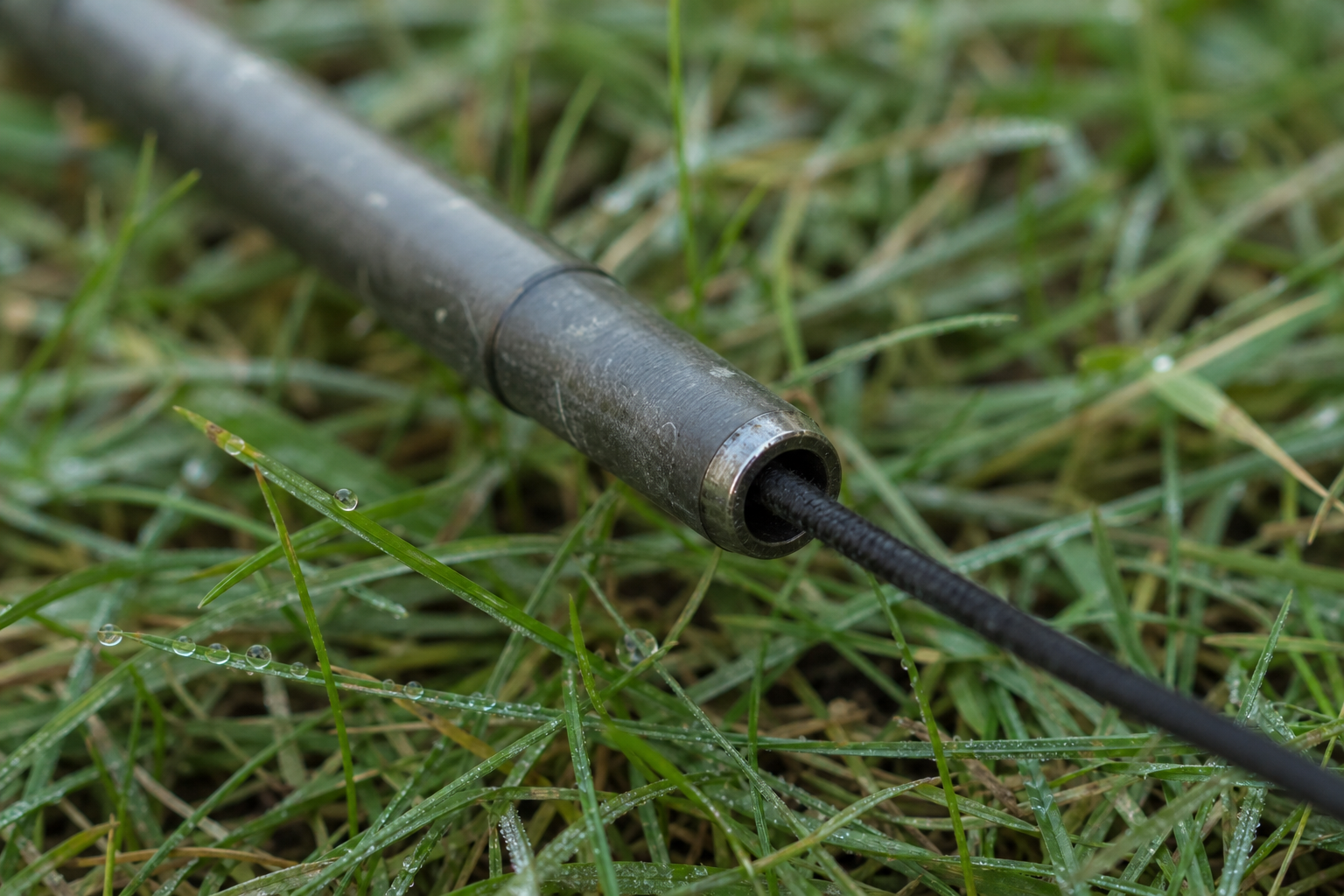
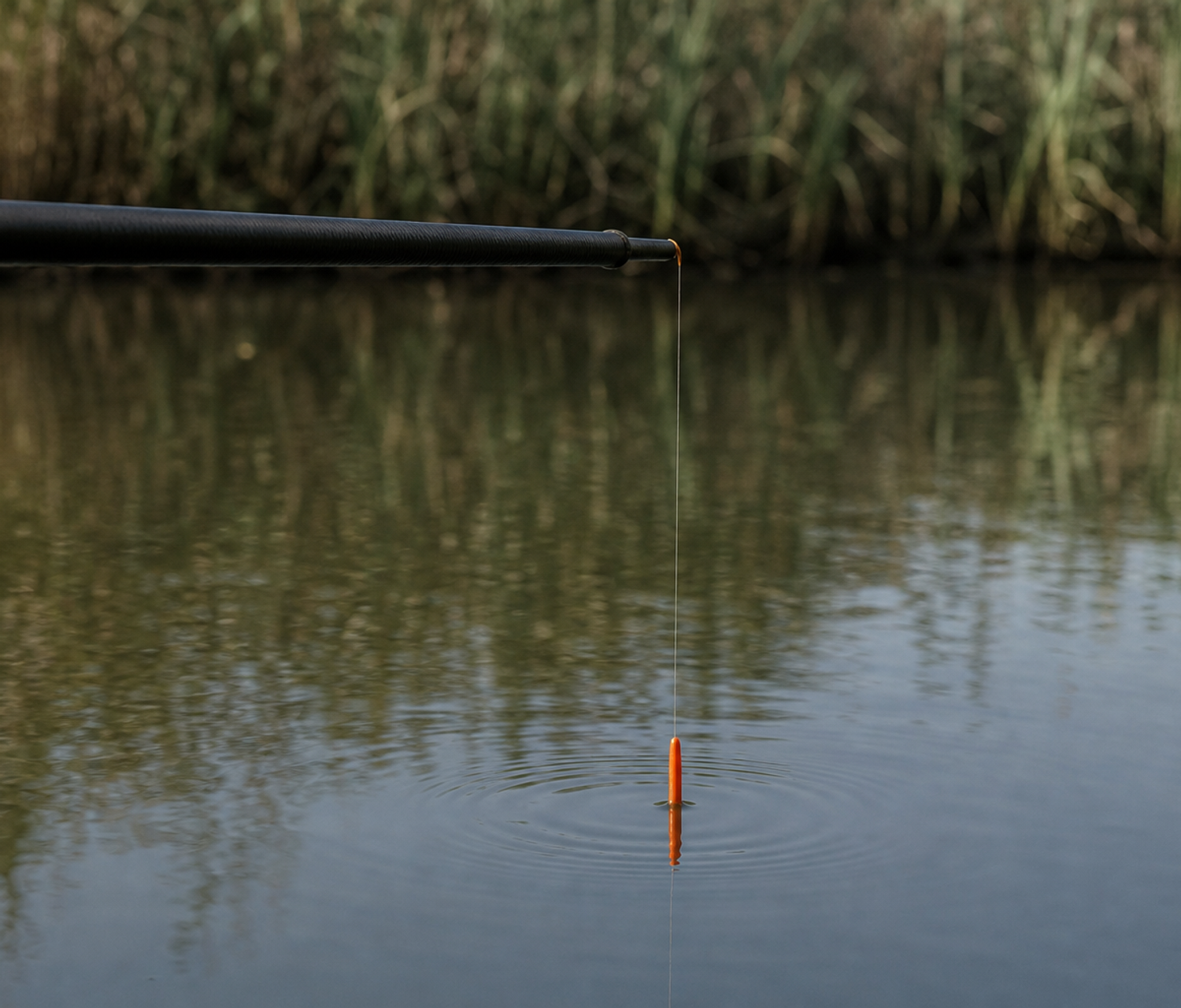
Internal elastic runs through the top sections of a pole and connects to the line via a small connector called a PTFE bush or Stonfo connector at the tip. When a fish runs, the elastic stretches and absorbs the shock, protecting fine lines from snapping and giving the fish less leverage against a fixed point. This is what allows pole anglers to use lighter lines than they could on a rod-and-reel setup, and to land fish that would break the line if it were tied directly to the pole tip.
Ready-elasticated poles come with elastic already threaded through the top sections at the factory. This is a significant convenience for beginners because threading elastic correctly takes practice. If you are buying a first fishing pole package, look for ready-elasticated as a specific feature rather than assuming it is included.
Elastic grades are usually expressed as a number, with lower numbers being lighter and higher numbers being suited to stronger fish. The right grade depends on the fish you expect to catch and the line strength you are using. For mixed commercial fishing where you might encounter carp alongside smaller species, a mid-range elastic is a reasonable starting point, but the most reliable advice is to ask at a local tackle shop about the specific water you intend to fish. The strength of the elastic and the strength of your hooklength need to be matched; an experienced member of staff can help you get this right quickly.
Number of Sections and Telescopic vs. Take-Apart
Entry-level poles are usually either telescopic, where the sections slide inside each other and extend, or take-apart (also called put-together), where separate sections join. Put-over joints, where one section fits over the next, are common on take-apart poles. Both formats are found on starter poles, and neither is inherently better at this level.
What matters more than the joint type is that sections fit firmly with no slop or wobble, that the pole breaks into lengths you can transport in your car or carry to the bank without awkwardness, and that spare top sections are available separately in case of accidental damage. A broken top section is a reasonably common mishap and being able to replace it without buying a whole new pole is a practical consideration worth checking before you buy.
What a Package Should Include
When you are evaluating a first fishing pole package or beginner pole kit in the UK, knowing what a good package should contain saves you from being caught short on the bank.
What to expect in a starter package
A good beginner pole kit should include the pole itself with elastic already threaded, at least one spare top section or pre-tied rig, and basic instructions. Hooks, floats and bait are sold separately. A landing net and unhooking mat are also needed for carp or tench.
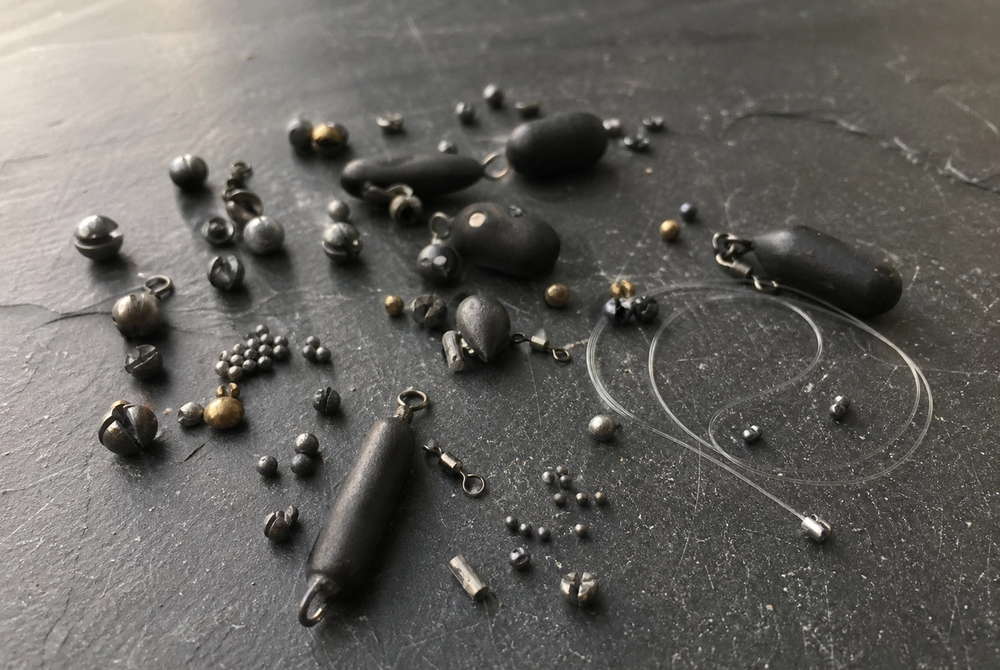
The items that are almost always sold separately include hooks, floats, shot, bait, a landing net, an unhooking mat and a disgorger. Factor these into your overall budget rather than treating the pole package price as the complete cost of fishing.
Build Quality and What to Accept at the Entry Level
An honest expectation here prevents disappointment. Entry-level poles are heavier and less stiff than the match poles you will see experienced anglers using. That is not a problem for relaxed, close-range fishing, where the physical demands on the equipment are modest. You are not casting at 13 metres under competition conditions; you are lowering a rig into a margin swim at 5 metres.
What you should check before buying, or ask about if purchasing in person: sections join without slop and do not feel loose when assembled; the tip ring is securely attached and not at risk of spinning or detaching; any elastic bungs, connectors and spare top kits are either included or readily available. Avoid poles where the first section already feels wobbly before you have left the shop.
Which Type of Beginner Pole Suits Your Fishing?
The right starting point depends on where you fish and what you are fishing for. Here is a straightforward guide to matching pole type to the three most realistic scenarios for returning and weekend anglers in the UK.
| Your fishing | Suggested starting point | Why |
|---|---|---|
| Commercial stillwater, fishing the margin for carp and tench | Ready-elasticated 5–6 m margin pole or kit | Elastic handles stronger fish; length covers margin swims comfortably |
| Canal or drain, fishing for roach, perch and small skimmers | Simple whip, 3–5 m | No elastic needed; lighter, faster to rig for small fish |
| Mixed use across both settings | Ready-elasticated pole around 5–6 m with a light-rated elastic | Usable on stillwaters and adaptable to small canal fish with lighter line |
If your fishing is split between a commercial fishery and a canal, a 5 to 6 m ready-elasticated pole with a lighter elastic is the most adaptable choice. You will not have the ideal tool for either setting, but you will have a workable one for both, which is a reasonable compromise for a first purchase.
What You Will Need Alongside Your Pole
This is not a complete kit checklist; that is covered separately in the coarse fishing kit guide. What follows covers the items that are either specific to pole fishing or particularly easy to overlook on a first session.
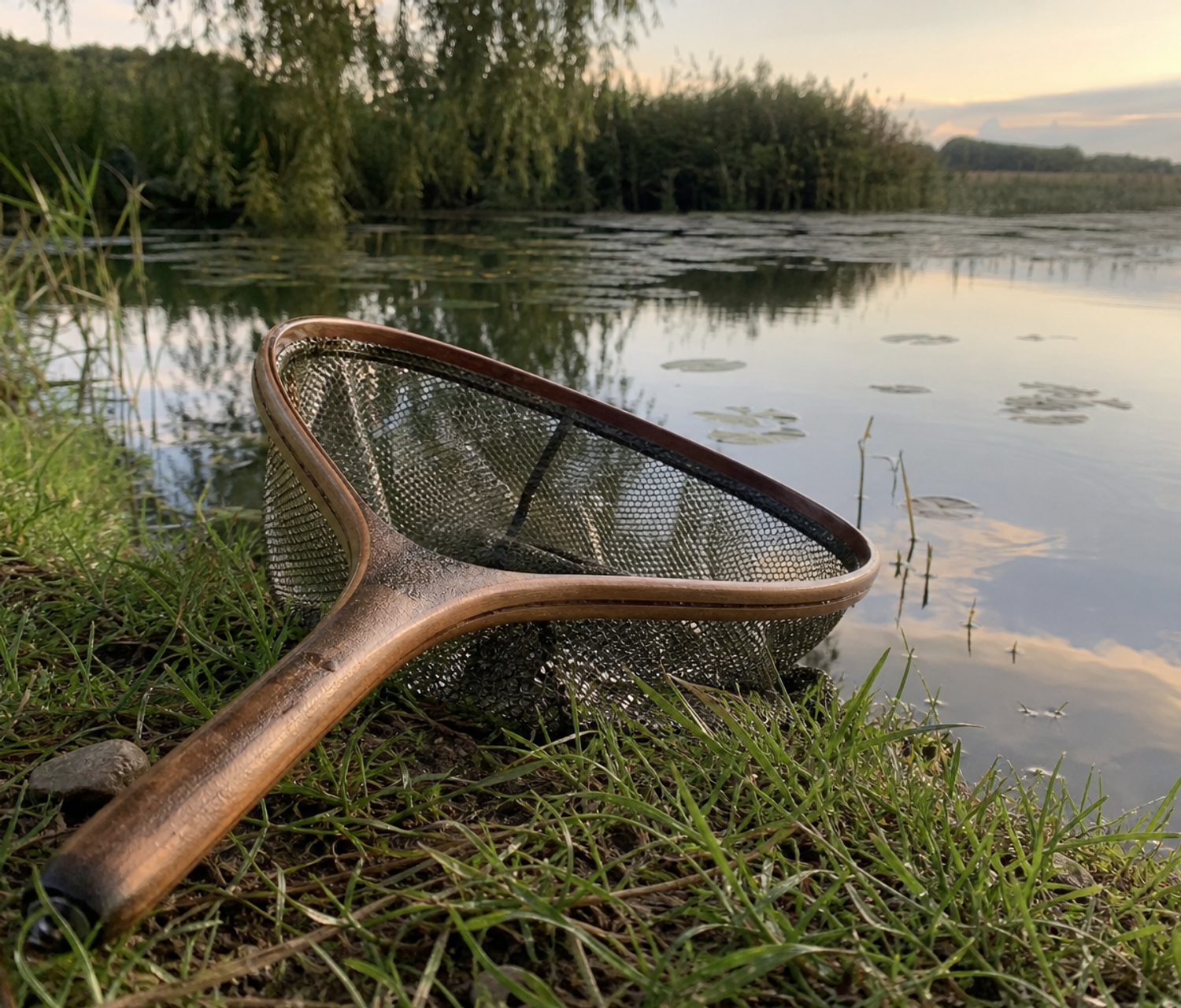
A landing net. The elastic cushions the fight, but you still need to net the fish safely at the end of it. Check your fishery's minimum net size requirement before you arrive; some commercial carp waters specify a minimum diameter, typically 36 inches or larger.
An unhooking mat. Required on most UK commercial carp fisheries. If you are fishing for carp or tench, bring one as a matter of course. Confirm your specific fishery's rules before your visit.
A pole rest or bank stick with a V rest. Useful for resting the pole behind you when shipping in sections. A basic bank stick and V rest is enough to start; you do not need a full roller setup for a short margin pole.
A disgorger or forceps. For safe, quick unhooking. A disgorger is sufficient for smaller fish; forceps are useful when hooks are taken more deeply or when barbless hooks are involved.
A rod licence. In England and Wales, anyone aged 13 or over must hold a current rod licence to fish. Licences are sold by the Environment Agency via GOV.UK. Scotland and Northern Ireland have their own separate licensing arrangements; if you are fishing outside England and Wales, check the relevant authority for your location. A rod licence gives you the legal right to fish; it does not give you permission to fish a particular water. For that, you will also need a day ticket or club membership for the specific fishery.
Check before you arrive
Most commercial fisheries in England require a current rod licence, a day ticket, and an unhooking mat as a minimum. Some also specify a minimum landing net size. The fishery's own website or booking page is the most reliable source of current rules.
Where to Buy and How Much to Expect to Pay
Entry-level poles and whips sit across a broad price range depending on length, build quality and what the package includes. A few general points that will help you approach the market sensibly.
Simple whips for canal and small-fish fishing are available at the lower end of the market and are often the most affordable pole-style tool available. Ready-elasticated starter pole packages sit at the lower to mid point of the market, with package deals sometimes offering better value than buying a pole and top kit separately. Higher-priced poles offer lighter, stiffer blanks that bring real advantages to experienced anglers but are not necessary at the beginner stage.
Specific prices are not quoted here because the market changes regularly and any figure from a previous year may not reflect what you will find today. For current pricing, check a major UK tackle retailer such as Angling Direct, or visit a local tackle shop in person.
The local tackle shop is worth recommending strongly, not just as a place to buy but as a source of advice. Staff can help you match pole length and elastic grade to the specific water you plan to fish, answer questions about local fisheries, and let you handle the pole before you commit. That kind of specific, hands-on guidance is difficult to replicate online and makes a real difference when you are choosing your first setup.
If you have not yet fished with a pole at all, the Angling Trust's Get Fishing programme offers coached beginner sessions, often free or at low cost, with all tackle provided. Trying a pole before you buy one is the most reliable way to know what length and weight feel comfortable.
A Few Things That Can Go Wrong (and How to Avoid Them)
Buying too long. A 10 or 11 m pole is not a beginner pole. It is heavy, requires specific technique to ship and unship smoothly, and is unnecessary for margin and canal fishing. If a retail listing promotes a long pole as a beginner option because of its price, treat the length as a feature for more experienced anglers and look at the shorter alternatives.
Skipping the elastic. A non-elasticated pole used to target carp or tench on a commercial fishery will result in either a broken pole tip or a lot of lost fish. If the species you are fishing for regularly run to a pound or more, elastic is not optional. Make sure your package includes it and that it is already threaded.
Buying a pole when a whip would do. If your plan is to fish a canal for small roach and perch, a simple whip is faster to rig, lighter to hold for a long session and no less effective for the job. Buying a more complex tool because it sounds more capable is a common and easily avoided mistake. Choose the right tool for your water.
Choosing Your First Pole: A Summary
The best pole for beginners in the UK is almost always a short, ready-elasticated margin pole in the 5 to 6 m range for commercial stillwater fishing, or a simple whip for canal and small-fish fishing. Both are manageable, affordable and well suited to the waters most returning and weekend anglers fish.
Before your first session, confirm your fishery's requirements for rod licences, day tickets, landing net size and unhooking mats. Check current beginner pole kit options at a major UK tackle retailer, and consider visiting a local tackle shop for advice specific to your water. If you have not yet tried a pole, a Get Fishing coached session with the Angling Trust is a worthwhile first step. For guidance on technique once you have your setup, the pole fishing for beginners guide covers what to do once you are on the bank.
References and Further Reading
- Angling Trust: Get Into Fishing, beginner and returning angler events.
- Angling Trust: Sea Angling, Getting Started with entry-level tackle.
- Angling Trust: Get Fishing Map, find events and places to fish.
- Angling Trust: Get Fishing for Wellbeing, angling for mental health and inclusion.
- Angling Trust: Half term, Get fishing with the kids, starter tackle ideas.
Frequently asked questions
What is the difference between a pole and a whip?
The key difference is elastic. A pole has internal elastic in the top sections to absorb a fish's pull, while a whip has no elastic and the line is tied directly to the tip ring.
Do I really need a pole to start?
Not always. A 10 to 12 ft float or match rod is more versatile for many beginners, but a pole makes sense if you already have a rod, enjoyed a coaching session with a pole, or fish canals and small ponds regularly.
What length should a beginner choose?
For most first-time buyers the practical range is 4 to 6 m. A 5 to 6 m margin pole covers most commercial peg distances comfortably without the handling issues of longer poles.
Should I buy a ready-elasticated pole?
Yes. Ready-elasticated poles come with elastic threaded at the factory and are a significant convenience for beginners, since correctly threading elastic takes practice.
What do I need to bring alongside a pole?
Typical essentials are a landing net, an unhooking mat for carp waters, a basic bank stick or pole rest, a disgorger or forceps, and a current rod licence and day ticket for the fishery.
Lake & Lines Editorial Team
Editorial team
The Lake & Lines editorial team brings together freshwater fishing guides and researched tackle advice, helping beginners and returning anglers prepare for better days by the water.