Your first visit to a commercial fishery: what to expect and how to prepare
A practical guide for your first visit to a commercial fishery covering licences, day tickets, basic gear, peg etiquette and safe fish handling to help you feel ready.
At a Glance
- Book a rod licence before you go; a day ticket from the fishery is a separate purchase.
- Check the fishery’s rules for barbless hooks, permitted baits, landing net policy and rod limits.
- Arrive, check in at the office or with the bailiff, choose a peg and set up calmly.
- Bring simple kit: one rod, basic tackle, disgorger/forceps and suitable clothing; hire gear if needed.
- Handle fish carefully: wet hands, support horizontally, use an unhooking mat and return fish gently.
Planning your first visit to a commercial fishery can feel more daunting than it needs to. You might be wondering whether you have the right gear, what the rules are, or whether you will look completely out of your depth the moment you arrive. The good news is that commercial fisheries are specifically designed to be accessible, the process from arrival to packing up is straightforward once you know what to expect, and this guide walks you through all of it. From getting your rod licence to choosing a peg and returning your first fish safely, here is everything you need to feel prepared and ready to enjoy the day.
What a commercial day-ticket fishery actually is
If you have looked at a local fishery's website and found yourself slightly unsure about what you have actually booked, you are not alone. The term "commercial fishery" covers a specific type of fishing venue, and it helps to understand the setup before you arrive.
Stillwater coarse fisheries
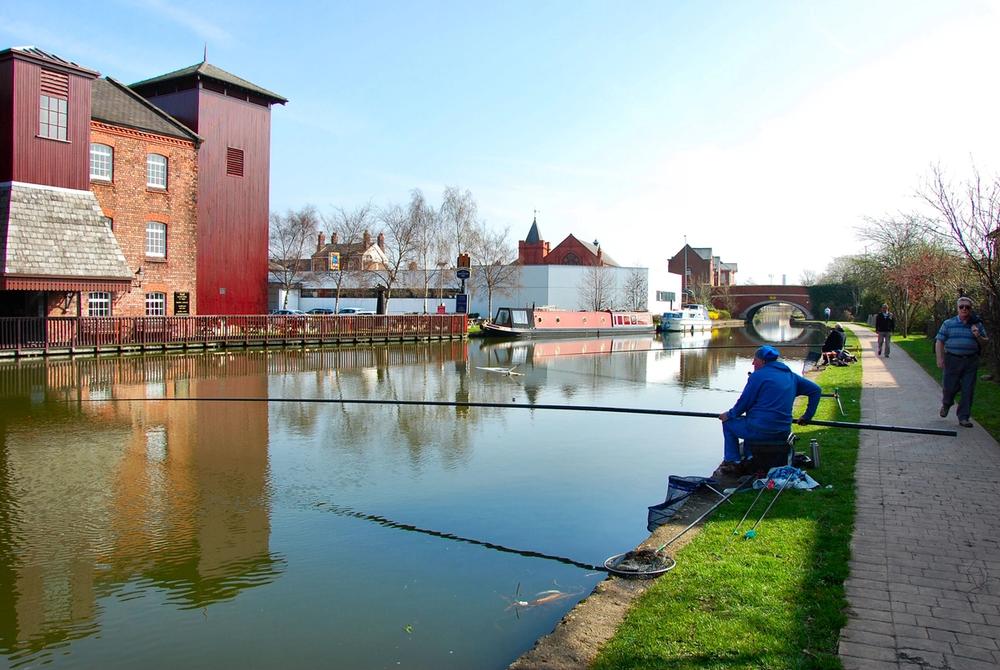
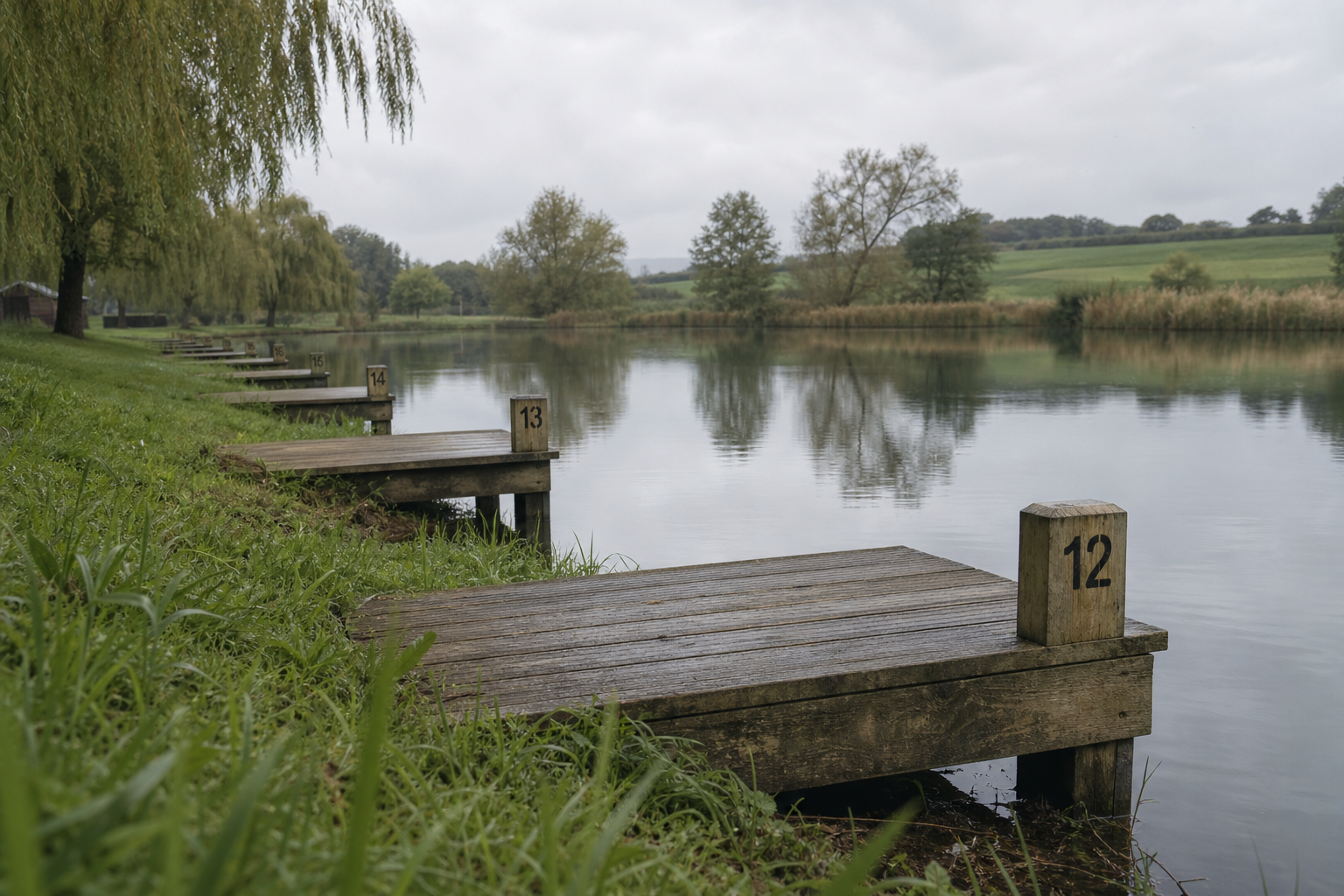
Most commercial fisheries are purpose-built or managed stillwater lakes or ponds stocked with coarse fish, typically carp, bream, tench, roach and perch. The banks are divided into numbered fishing spots called pegs, each giving you a defined area to fish from. There will usually be a lodge, office or bailiff hut somewhere on site, and access is sold by the day as a day ticket. Some venues offer half-day tickets or evening sessions; check the fishery's website for the options.
Trout fisheries and other types
Not every commercial fishery targets coarse species. Some are fly-fishing trout waters, which operate with very different tackle, techniques and rules. If you have booked a session and are not entirely sure which type of fishery it is, check before you travel. This guide focuses on coarse fishing lakes, which are the most common starting point for beginners.
Before you go: licences, day tickets and checking the rules
Getting this part right before you leave home takes the pressure off on the day. There are two separate legal and administrative steps to understand, and a few minutes spent reading the fishery's rules will save you questions later.
Your rod licence
Anyone aged 13 or over fishing in England and Wales must hold a valid Environment Agency rod licence. This is a legal requirement, and fishing without one can result in a fine. The licence is issued by the Environment Agency and covers you to fish with a rod and line on any legal water in England and Wales; it does not, on its own, give you permission to fish any particular water. Northern Ireland has its own licensing system that is not covered by the Environment Agency licence. Scotland has no rod licence, apart from the Border Esk region, which needs the England and Wales licence, but you still need permission to fish.
You can buy a rod licence online through GOV.UK or by phoning the Environment Agency. A one-day licence is available if you want to try fishing before committing to a full year. At the time of writing, a one-day licence costs £7.30 and an annual licence £36.80, but check the current Environment Agency pricing before you go as these figures can change.
For a full breakdown of licence types and how to buy one, the fishing licences and day tickets guide covers everything in detail.
Your day ticket
The rod licence and the day ticket are two completely separate purchases, bought from two different places. Your rod licence covers you legally to fish; the day ticket is the permission you buy directly from the fishery to fish their water on a particular day.
Many commercial fisheries let you book and pay for your day ticket online in advance, which means one less thing to sort when you arrive. Others operate a pay-on-the-bank system, where you pay when a bailiff comes round. Check the fishery's website or give them a call beforehand so you know what to expect.
Reading the fishery's rules page
Most commercial fisheries publish their rules clearly on their website, and it is worth reading them before you leave home. The key things to look for are: how many rods you are allowed, whether barbless hooks are required (they usually are), which baits are permitted, whether keepnets are allowed during general fishing, and the policy on landing nets (whether you can bring your own or need to use one supplied by the fishery).
Check before you travel
Most commercial fisheries publish their rules, prices and booking arrangements on their website. A five-minute read before you leave will answer most of the questions you might otherwise worry about on the drive over.
What to expect when you arrive at a commercial fishery
This is the part that most guides gloss over, but it is exactly what you need to know before your first session. Here is how a typical arrival unfolds.
Arriving at a commercial fishery
Park and find the office or bailiff
Most fisheries have a car park close to the water. Look for a lodge, hut or signage pointing you to where to check in. If there is no obvious office, a bailiff will usually come round to collect tickets.
Pay or show your booking
You will pay for your day ticket here if you have not already booked online. You may be asked to confirm that you hold a rod licence. Have your licence reference to hand.
Get the briefing
The staff will tell you which lake or bank you can fish, point you to available pegs and explain any site-specific rules. Ask if you are unsure about anything.
Choose a peg and set up
A peg is a numbered or marked fishing spot, usually with a platform or flat area. Pick one that is free and suits your gear. Settle in without rushing.
Fish the session
Concentrate on the fishing. If a bailiff comes round during the session, they are checking tickets and are usually happy to answer questions.
Pack up and leave the peg tidy
Return any fishery-supplied equipment, remove all litter and tackle items including used line, and leave the peg as you found it.
One thing worth knowing: bailiffs are not there to catch you out. They check tickets, keep an eye on the water and are usually the most useful person on site for a beginner to talk to. If you are not sure whether you have set up correctly or have a question about the rules, asking the bailiff is always the right call.
Understanding the rules and why they matter
Fishery rules exist to protect the fish, protect the water and keep the experience fair for everyone fishing. Understanding the reason behind each rule makes them easier to follow and easier to remember.
Barbless hooks
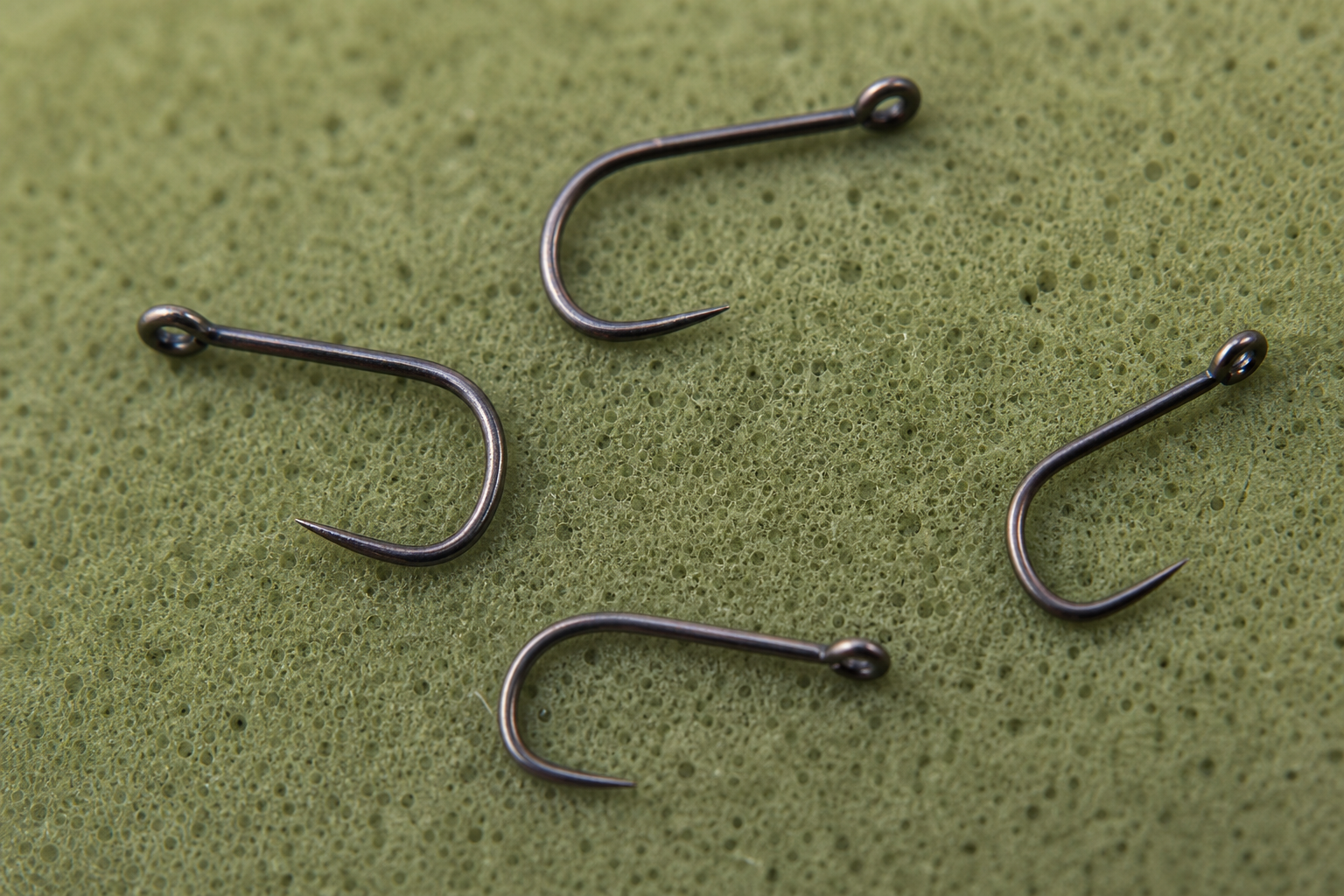
Barbless hooks are required at the vast majority of commercial coarse fisheries, and some venues specify micro-barbed only, so check the exact wording on the rules page. The reason is straightforward: a barbless hook comes out of a fish's mouth cleanly and quickly, causing less damage and reducing the time the fish spends out of the water. Some fisheries allow micro-barbed hooks as a slightly more secure option while still being relatively easy to remove; if you are not sure, use a fully barbless hook and you will always be within the rules.
Landing nets and keepnets
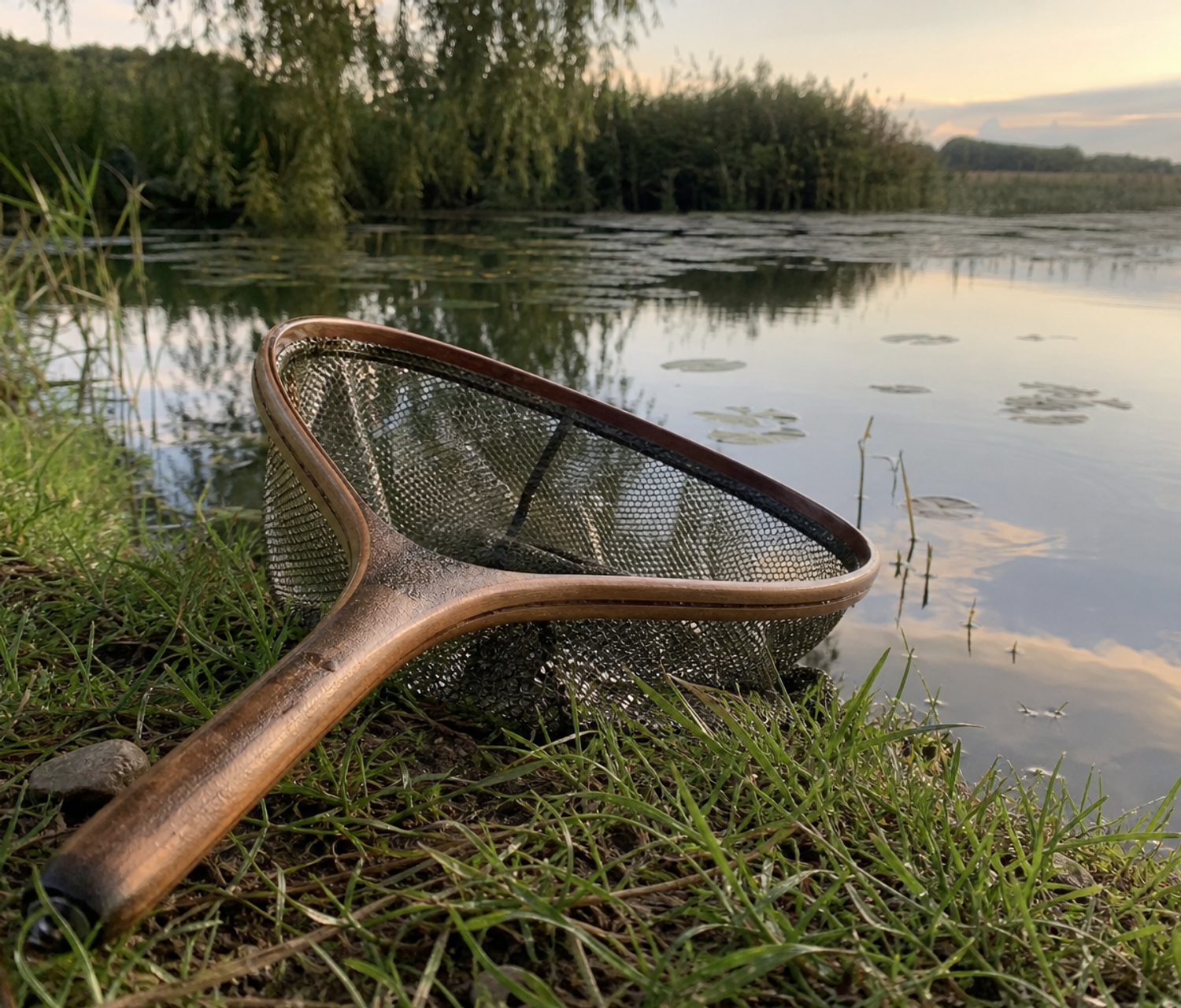
A landing net is the device you use to scoop the fish from the water once you have played it to the bank. At most commercial fisheries, using one is compulsory rather than optional. The policy on whether you bring your own or use one supplied by the fishery varies; some venues ask you to use only their nets to reduce the risk of transferring invasive species or disease between waters. Check in advance.
Keepnets, which hold fish in the water while you continue fishing, are widely prohibited at commercial fisheries during general day-ticket sessions. They are sometimes permitted during organised matches, but for a standard leisure visit, the expectation is that you unhook and return each fish promptly. This is better for the fish and the standard practice at most venues.
Bait restrictions
Certain baits are banned at many commercial fisheries because they can be harmful to fish. Nuts and tiger nuts are among the most commonly prohibited items; fish cannot digest them properly and they can cause serious harm if swallowed whole. High-oil or high-protein pellets may also be restricted at some venues. The permitted bait list is usually published on the fishery's website or displayed on a rules board near the entrance. Maggots, sweetcorn and soft pellets are widely accepted, but always verify for the specific water you are visiting.
Rod limits
Most day-ticket coarse fisheries allow one or two rods per angler. Your day ticket should state the limit; fishing more rods than permitted is a rules breach. For a first session, one rod is more than enough to get started with.
| Rule | What it means | Why it matters |
|---|---|---|
| Barbless hooks only | No barb or micro-barb only; check the exact wording | Easier and safer to unhook; reduces harm to the fish |
| No keepnets (general fishing) | Fish must be returned promptly after unhooking | Reduces stress and supports fish welfare |
| Use fishery landing nets | Bring your own only if the fishery permits it | Limits the spread of invasive species and disease between waters |
| Bait restrictions | Nuts and some particles often banned; check the list | Protects fish health; some baits are difficult to digest |
| Rod limits | Usually one or two rods per ticket | Keeps fishing fair across the lake; check your ticket |
Basic etiquette at a commercial fishery
Commercial fisheries see beginners every week. Nobody expects you to arrive with the confidence of someone who has been fishing for twenty years, and the anglers around you were all new once. A few simple courtesies will make you feel comfortable and keep the atmosphere on the bank pleasant for everyone.
Give other anglers space. If several pegs are free, do not set up immediately next to the only other person on the bank. Each peg is its own fishing area and the angler there will have set up their tackle accordingly.
Keep noise to a reasonable level. Conversation between anglers is part of the experience, but a loud speaker playing music through an otherwise peaceful morning is not welcome at most venues. Keep it quiet and you will fit in fine.
If you need to walk along the bank near another angler's swim, do so quietly and away from the water's edge. Walking close to the bank can spook fish that are feeding in the shallows.
If you are unsure whether a peg is free, particularly if there is tackle nearby but no angler visible, ask the bailiff rather than guessing. Peg etiquette is taken seriously and a quick question avoids any awkwardness.
Dispose of all litter properly, and that includes used fishing line and empty hook packets. Discarded monofilament line is a serious hazard to birds and wildlife. Most fisheries have bins on site; use them, and take anything else home with you.
Fish care: unhooking and returning fish
Handling fish carefully is part of fishing competently, not an optional extra. The principles are simple and worth getting right from your first session.
Have a disgorger or forceps to hand before you start fishing. A disgorger is a small tool that helps you remove a hook from a fish's mouth without putting your fingers in. If the hook is deeper, forceps give you more control. Do not try to remove a hook with your fingers alone.
Wet your hands before you handle a fish. Dry hands can damage the protective slime coat that covers the fish's body and helps defend against infection.
Support the fish horizontally and keep it low, either close to the water or over a soft unhooking mat if you have one. Do not hold a fish vertically by the lip unless it is a species commonly held that way, such as a pike, and even then it requires proper technique.
Lower the fish back into the water gently and hold it upright in the shallows until it swims away under its own power. Do not simply drop it in.
If you are not confident about unhooking a fish, ask a nearby angler or the bailiff before you start. Most people at a commercial fishery are happy to show a beginner the technique, and getting it right matters more than getting it done quickly.
For a detailed walkthrough of landing, unhooking and returning coarse fish, the coarse fish care guide covers the full process.
What to bring for a first session
Hire gear if you are not sure yet
Many commercial fisheries offer rod hire as part of a beginner or starter ticket, sometimes with basic coaching included. If you are not ready to buy tackle, a hire package is a sensible way to try the experience first.
For a commercial fishing lake, beginners do not need a complicated setup. One rod is enough to get started. A simple float or feeder rod in the 10 to 13 foot range paired with a fixed-spool reel and line of around 4 to 6 pounds is a workable combination for most commercial stillwaters.
Check the fishery's policy on landing nets before you pack. If you need to bring your own, a basic pan net with a 36-inch or 42-inch mesh is suitable for most commercial carp and coarse lakes. If the fishery supplies nets, you can leave yours at home.
Pack a disgorger or forceps for unhooking. This is not optional kit; it is essential.
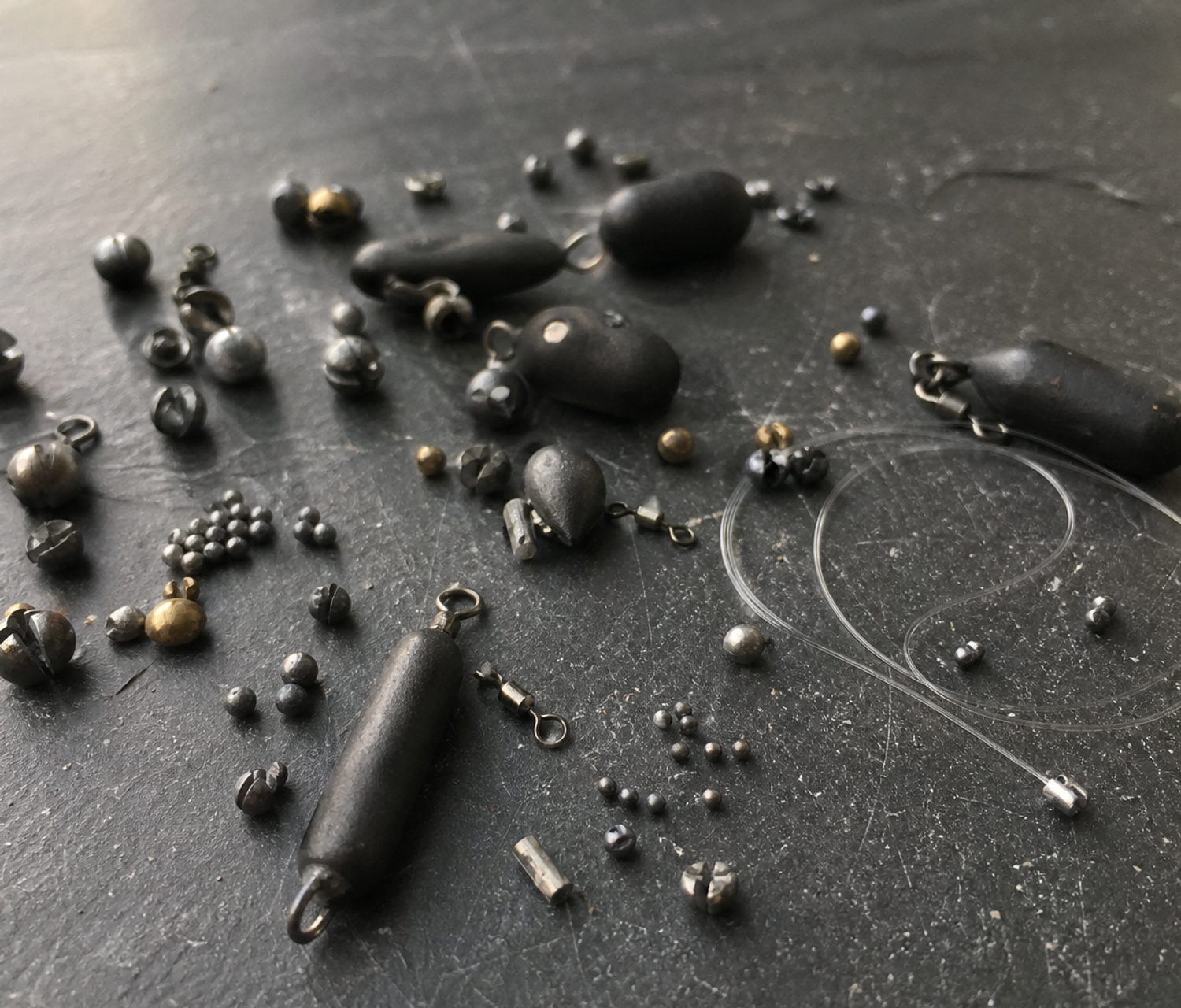
A small selection of terminal tackle is all you need: a few hooks in sizes 14 to 18, a couple of floats or a feeder or two, some split shot or leger weights and a selection of permitted bait. Maggots and soft pellets are the simplest starting points and are widely available from tackle shops and some fishery shops on site.
Clothing is worth thinking about. British bankside conditions can change quickly, so wear comfortable layers and bring a waterproof jacket regardless of the forecast. A hat and sunscreen are worth adding if it looks like a warm day.
Bring enough food and drink for the session. Some commercial fisheries have a café or a vending machine on site; many do not. A flask of tea and a couple of sandwiches will make a long morning by the water considerably more comfortable.
For carrying everything, a small fishing bag or rucksack is plenty for a day session. You do not need a tackle box the size of a kitchen cabinet to start.
For more detail on putting together a first setup, the coarse fishing for beginners guide covers rods, reels, line and terminal tackle with a practical eye on what you actually need.
A note on costs
It helps to know what to expect before you arrive, so here is a realistic picture of what a first session is likely to cost.
A one-day Environment Agency rod licence costs £7.30 at the time of writing; an annual licence is £36.80. These figures are subject to change, so check the current pricing on the Environment Agency website before you go.
A day ticket at a commercial coarse fishery typically falls somewhere in the range of £10 to £20, though prices vary considerably depending on the venue, the region and the facilities on offer. Specialist or larger venues may charge more. Check the fishery's current pricing directly.
If you are hiring tackle, some fisheries and water company venues offer beginner starter packages that include a rod, reel and basic coaching alongside the day ticket. These vary widely, from around £10 for a simple hire setup to £80 or more for a guided introduction session. The fishery's website will have current figures.
Bait for a day session is a modest additional cost. A small bag of maggots or a tub of soft pellets from a tackle shop or the fishery's own shop will cost a few pounds and is more than enough for a first visit.
You do not need to spend heavily on tackle to have a good first session. A hire package or a modest starter outfit will serve you well while you decide whether fishing is something you want to pursue further.
Ready to go
A commercial fishery is one of the most forgiving environments in fishing for a newcomer. The pegs are numbered, the rules are published, the staff are used to beginners and the fish are there in numbers. Your job on the first visit is simply to get a feel for the experience: how it feels to sit by the water, how the tackle works in your hands and how the day unfolds.
Take the licence step seriously, read the rules before you go and arrive with a basic kit. Everything else you will pick up quickly once you are on the bank. The fishing licences and day tickets guide is a good next step for getting the legal side clear, and the coarse fish care guide will give you confidence about handling fish before your first bite arrives.
Frequently asked questions
Do I need a rod licence for my first visit to a commercial fishery?
Yes. In England and Wales anyone aged 13 or over must hold a valid Environment Agency rod licence. You can buy a one-day or annual licence online or by phone.
What is a day ticket and how do I get one?
A day ticket is permission from the fishery to fish its water and is separate from your rod licence. Many fisheries let you book online in advance; others accept payment at the bank or from a bailiff.
What should I bring for a first session?
Bring one rod, basic terminal tackle, a disgorger or forceps, a landing net if the fishery requires it, layers and waterproofs, food and drink. Hire packages are often available if you do not own gear.
Are barbless hooks and keepnets required or banned?
Most commercial coarse fisheries require barbless or micro-barbed hooks and prohibit keepnets during general day-ticket sessions. Check the specific rules on the fishery’s website before you go.
What if I am unsure about rules or unhooking a fish?
Ask the bailiff or a nearby angler. Bailiffs are there to check tickets and help, and many anglers will show a beginner how to unhook and return fish safely.

Lake & Lines Editorial Team
Editorial team
The Lake & Lines editorial team brings together freshwater fishing guides and researched tackle advice, helping beginners and returning anglers prepare for better days by the water.