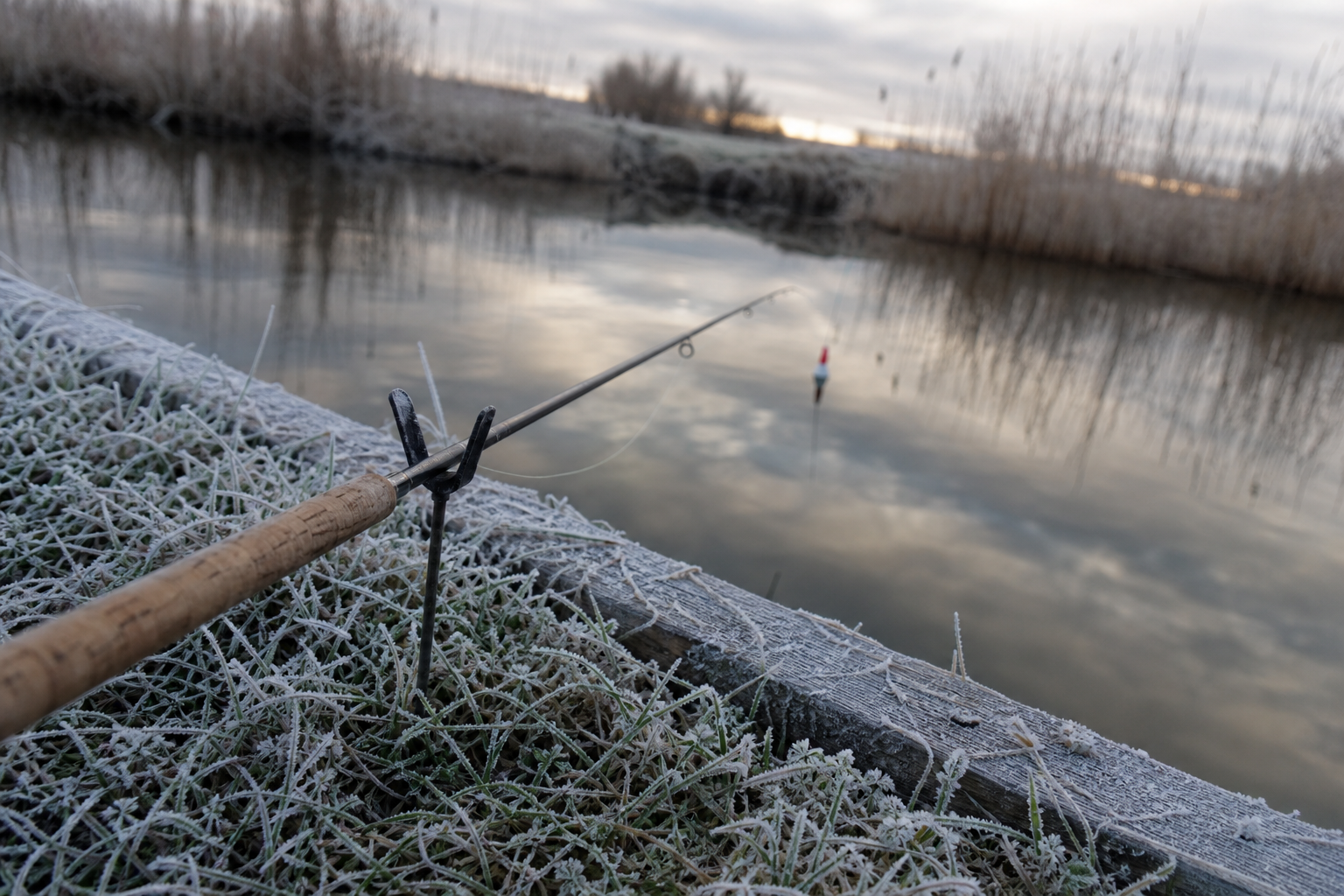
Making the Most of Short Winter Coarse Fishing Sessions
Winter coarse fishing is quieter and more demanding; short two to four hour sessions on mild, settled days with small baits, fine rigs and minimal feeding often produce the best results.
At a Glance
- Winter coarse fishing is quieter and can be rewarding; fish feed less and sit in predictable areas so a focused two to four hour session often works best.
- Check the fishery's own rules and any local byelaws before you go and ensure a valid Environment Agency rod licence if aged 13 or over.
- For canals and stillwaters target roach, perch and pike; chub and dace are river species and carp and tench are generally slower in cold water.
- Scale down tackle and rigs: smaller hooks, finer line, light feeders or short hooklengths and use a wire trace for pike.
- Feed sparingly and more often, use small hookbaits and minimal groundbait, and move swims if there is no activity after 30 to 45 minutes.
Winter coarse fishing in Britain is quieter, slower and more demanding than a summer session on a busy commercial. It is also, on the right day, genuinely rewarding. The crowds thin out, the bankside noise drops and a couple of quality roach or a good perch can feel like a proper result. The adjustment is not complicated, but it is real: cold water changes where fish sit, how often they feed and how much bait they want. Get those things right and a two to three hour afternoon session can be well worth the effort.
Which Waters Are Open for Coarse Fishing in Winter?
Most stillwaters and canals in England remain open for coarse fishing throughout winter, subject to the rules of the individual fishery. The statutory coarse close season on rivers in England and Wales runs from 15 March to 15 June inclusive, so it has no bearing on winter fishing. Rivers are perfectly legal targets from mid-June through to the following March, and many hold good roach, chub and dace through the colder months.
That said, not every water is straightforward. Some canals and waters within Sites of Special Scientific Interest (SSSIs) carry additional restrictions beyond the standard rules, and individual fisheries may impose their own closed periods or winter day ticket arrangements. Always check the fishery's own rules and any relevant local byelaws before making the trip.
One worth noting: the Norfolk and Suffolk Broads include river-connected systems that are legally classified as rivers despite looking like open lakes. The river close season applies to those waters, so it is worth confirming the classification before fishing any unfamiliar Broads venue in late winter.
A valid Environment Agency rod licence is required for all anglers aged 13 and over fishing in England and Wales, regardless of the season. Licensing and day ticket arrangements are covered separately on this site.
Before you go
Most stillwaters and canals in England are open for coarse fishing in winter, but some canals and SSSI waters have additional restrictions. Check the fishery's own rules and any local byelaws before your visit.
Which Coarse Species Are Worth Targeting in Cold Water?
Cold water slows the metabolism of most coarse fish. They need less food, move less and become harder to tempt, particularly after a rapid temperature drop. When water temperatures fall into the low single figures, fish often retreat to the deepest, most thermally stable areas and may feed only briefly and tentatively. Location starts to matter more than bait quantity.
The practical result is that species selection becomes more focused in winter. Some fish remain catchable; others are barely worth targeting.
| Species | Cold-water activity | Notes |
|---|---|---|
| Roach | Generally reliable | Consistently one of the most dependable winter targets across canals and stillwaters |
| Perch | Generally reliable | Often catchable when carp and tench have all but switched off |
| Pike | Active and often at their best | Winter is a recognised and productive period for deadbaiting |
| Chub | Tolerant of cold conditions | Takes bread or small baits even in near-freezing water; river species, available outside the close season |
| Dace | Tolerant of cold conditions | River species; available in winter outside the statutory close season |
| Carp | Often lethargic below around 5 to 6°C | Can still be caught but expectations should be significantly lower |
| Tench | Generally slow in cold water | Difficult to tempt on most venues through the colder months |
For a weekend pleasure angler fishing a canal or stillwater, roach, perch and pike are the most practical targets. Roach respond to fine presentation and small baits even in cold conditions. Perch remain active hunters and often show when little else is moving. Pike are frequently at their most catchable in winter; cold water suits them and their prey fish are concentrated in predictable areas.
Chub and dace are excellent cold-weather species, but they are river fish. They are worth targeting during winter river sessions outside the close season, though canals and lakes remain the more accessible option for most weekend anglers.
Carp are not impossible in winter, but a fish that is barely feeding in 4°C water is a different prospect from a summer afternoon on a commercial. If carp are the primary target, lower expectations accordingly and choose methods suited to slow, deliberate feeding.
Planning a Short Winter Session
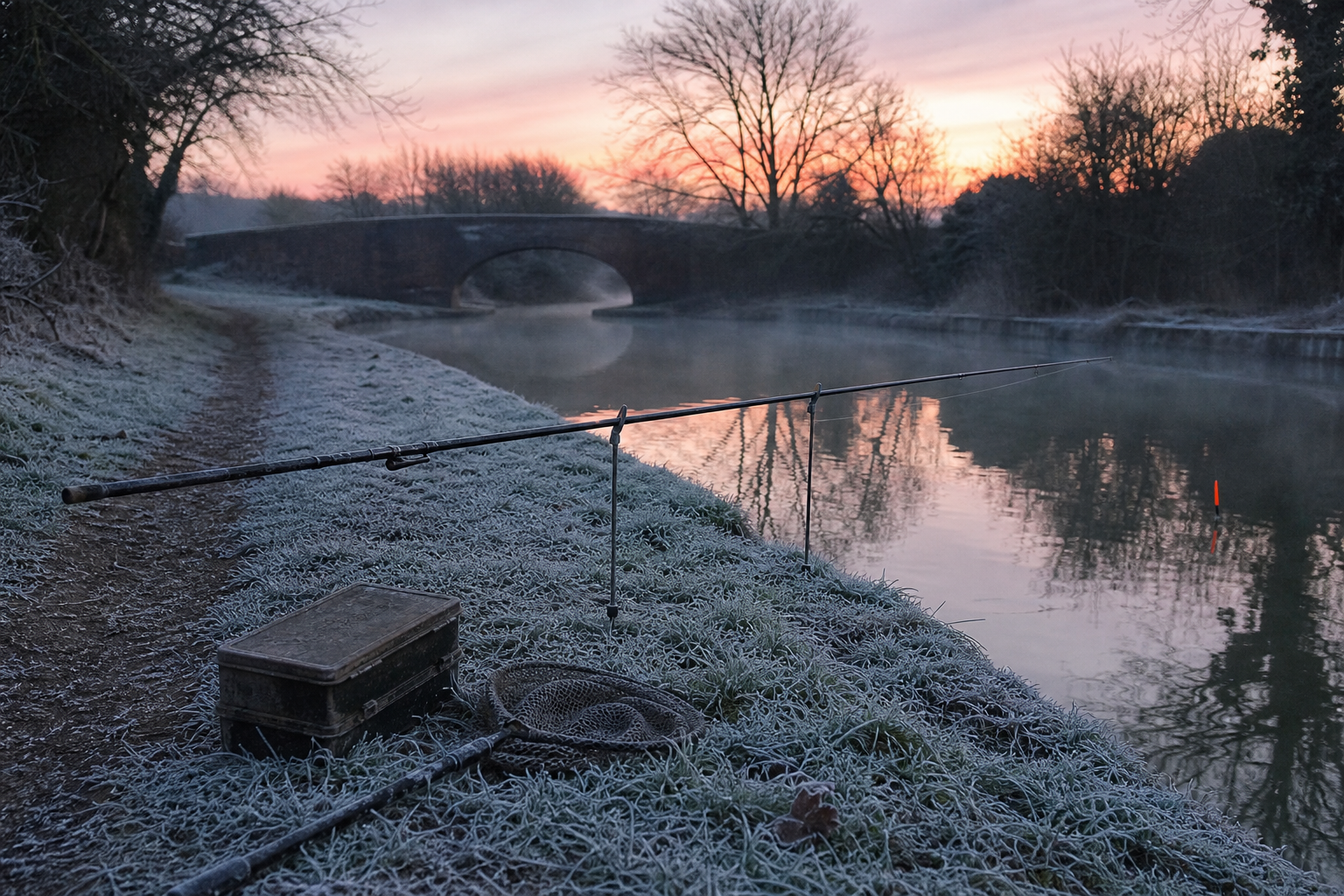
A realistic winter session for a pleasure angler is two to four hours, not a full day. That is not a compromise; it is often the right window. Fish activity in cold water tends to be compressed into periods of settled conditions and slightly warmer temperatures rather than spread across the whole day. A focused afternoon session on a mild, overcast day often produces more than an all-day effort in hard frost.
Choosing the Right Day and Venue
Conditions matter more in winter than at any other time of year. Mild, overcast afternoons following a period of stable temperatures tend to fish better than bright frosty mornings. A sudden cold snap, where temperatures have dropped sharply over the previous day or two, is one of the hardest conditions to fish through. If you have any flexibility, wait for things to stabilise.
Choose a venue with a track record of winter form: a club water or canal that regulars fish through the colder months is a safer bet than an unfamiliar lake. Consider the practical side too. A short walk from the car park to a choice of accessible swims suits a two to three hour session far better than a long hike to a single spot on a large, unfamiliar venue.
Reading the Swim in Winter
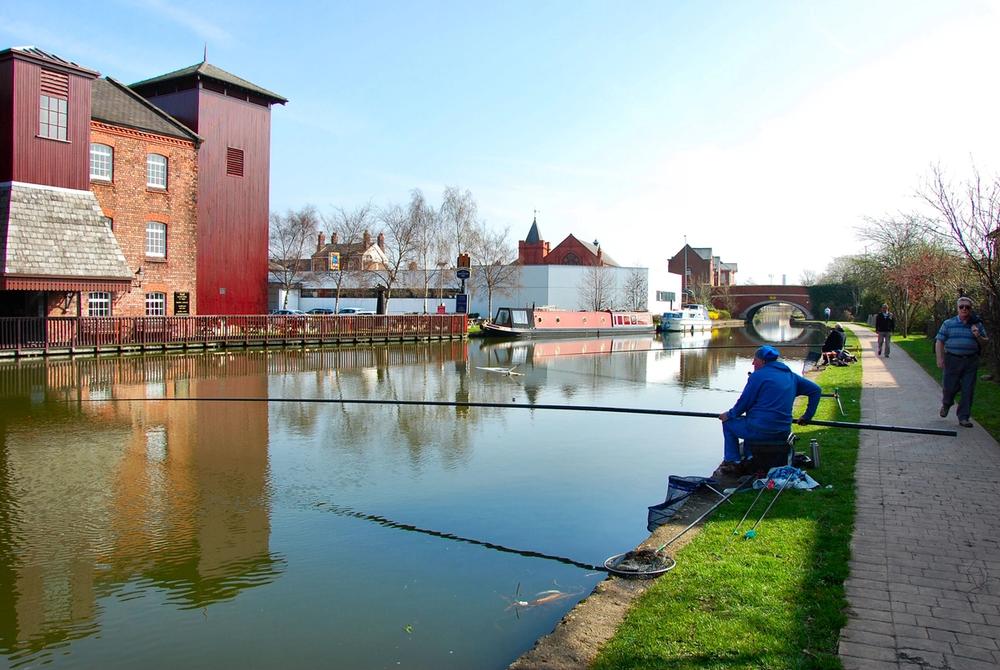
Fish shoal tightly and hold in predictable areas when water is cold. On stillwaters, the deepest, most stable zones are worth targeting first. On canals, roach and skimmers often concentrate in the deeper central channel or in boat channels, where water is slightly more sheltered and stable than the margins.
Features worth looking for include deeper bends on canals, basin areas and marinas on stillwaters, and any noted holding areas recommended by the fishery or local anglers. In a short session, start where probability is highest rather than exploring open water.
Be prepared to move. If nothing is happening after 30 to 45 minutes, a move of even one or two swims can make a significant difference. Fish in winter are not spread evenly; they cluster in specific areas and may simply not be in front of you.
Keep your options open
For a two to three hour winter session, pick a venue with several accessible swims close together. If your first choice produces nothing after 30 to 45 minutes, moving is often more productive than waiting.
Tackle and Rigs for Cold Weather Coarse Fishing
The principle for cold-weather coarse fishing is straightforward: present a small bait as naturally as possible to a fish that is not actively hunting for food. That means scaling down from your summer approach in terms of line strength, hook size and rig weight.
Scaling Down for Winter
A size 18 hook with a single maggot is a widely used starting point for canal roach on a light waggler or pole rig. That is not a universal prescription; it will need adjusting depending on species, depth and swim conditions. But it gives a useful sense of the direction of travel compared to summer fishing. Hook sizes 16 to 20 are typically the working range for roach and small perch in cold water.
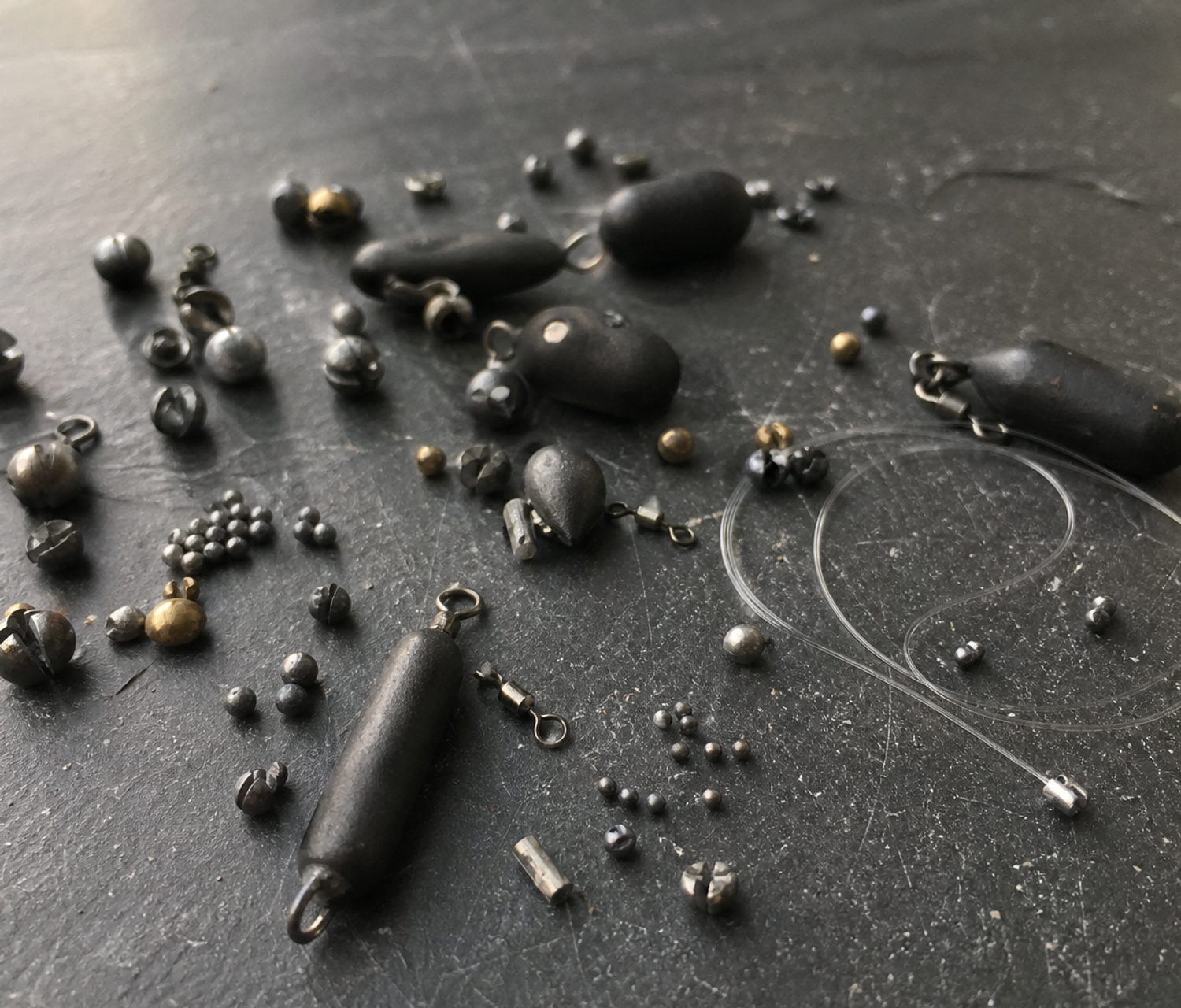
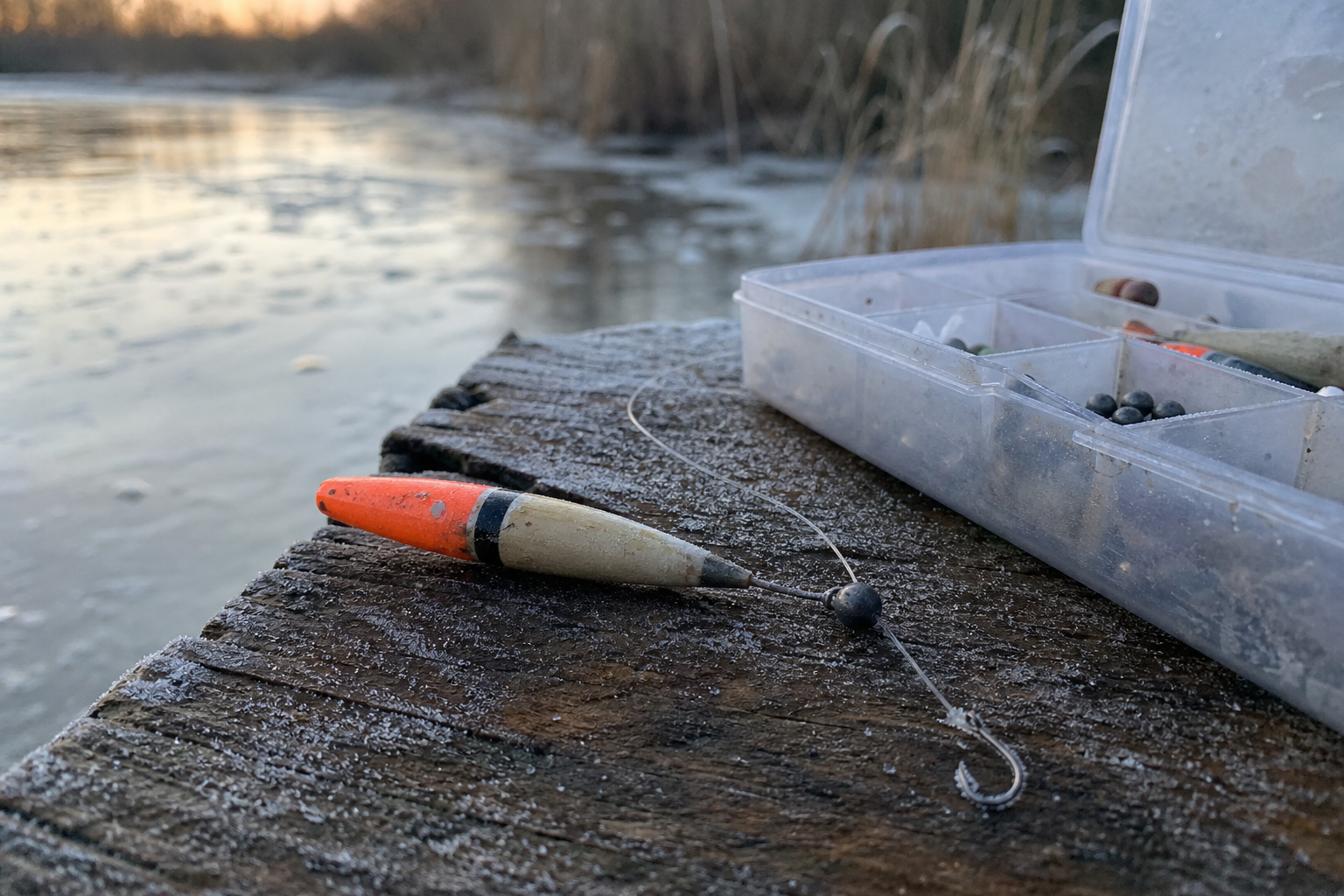
Use finer line than you would in summer, both mainline and hooklength. The difference between 3 lb and 2 lb breaking strain may seem small, but lighter line improves presentation, and in calm winter conditions fish are more easily spooked. Shot the rig delicately: a strung-out pattern or a light bulk with a couple of droppers presents the bait naturally and shows subtle bites that might otherwise go undetected in slow, still water.
For feeder fishing, small cage or window feeders with a minimal amount of groundbait and a short hooklength are a practical approach. A short hooklength, somewhere around 4 to 6 inches as a starting point, keeps the hookbait close to the feed and suits the slow, investigative feeding behaviour of cold-water fish.
Pike Fishing in Winter
Pike are one of the few species that can genuinely be described as easier to catch in winter than in summer. They are ambush predators and cold water concentrates their prey fish into predictable holding areas, making location more straightforward.
Static sea deadbaits presented under a float or on a light running ledger are a well-established approach. Smelt, lamprey sections and mackerel sections are all recognised options. A wire trace is not optional: pike have sharp teeth and will cut through monofilament. Use one on every pike session, regardless of the size of fish expected.
Give a static bait time to be found, but do not wait indefinitely in one spot. If there is no interest after a reasonable period, try a different position before changing the bait itself. When you do land a pike, unhook it quickly and return it without delay. Lethargic fish in cold water can take time to recover, and a prolonged handling session does not help them.
Ice on your rod rings
In severe frost, rod rings can ice up and may damage your line mid-cast. Keep a cloth in your pocket and wipe the rings clear between casts.
Feeding Strategy: Less Is More in Winter
Overfeeding is one of the most common reasons a winter session goes quiet early. Cold fish have a much lower metabolic rate and cannot process large volumes of bait. Introducing too much feed, particularly early in a session, can switch a shoal off rather than hold it in the swim.
The adjustment is simple: feed less, more often. On a canal, a pinch of maggots every few minutes replaces the heavier, more regular feeding of a summer approach. On a stillwater, introduce bait little and often rather than building a large bed of feed before you start.
Use smaller hookbaits to match the scale of what you are introducing. A single maggot, a pinkie, a small piece of worm or a ball of bread punch are all well-suited to cold-water coarse fishing. If you are using groundbait at all, reduce the quantity significantly and use a lighter, less oily mix than you would in summer. Heavy groundbait in cold water can deaden a swim rather than activate it.
For pike, one or two static baits positioned in the most likely holding area is a more effective approach than multiple rods spread across open water. You are not trying to attract fish from distance; you are presenting a bait where fish are already likely to be sitting.
Keeping Sessions Realistic and Enjoyable
Winter coarse fishing is more demanding than summer fishing, and the catch rate usually reflects that. A few quality roach, a perch or two, or a single good pike is a solid result for a short cold-weather session. That is not a failure of ambition; it matches the reality of slower fish behaviour and the compressed window of a short session.
Keep your setup simple. One light float or pole rig for roach and perch and one deadbait rod if pike is on the agenda is plenty for two to three hours. Fewer decisions in the cold means more time with the rig in the water and less time re-rigging with numb fingers.
Prepare as much as you can at home. Tie rigs in advance, decide on your bait before you leave and keep the selection narrow. Maggots, a few pinkies and a small piece of worm cover most winter roach and perch situations without needing a full bait tray.
Dress for the conditions and give yourself the margin to sit still without losing focus on the float. Cold discomfort is a distraction that shortens sessions and reduces concentration.
A rod licence is required for all anglers aged 13 and over in England and Wales, regardless of the season. Make sure it is current before you head out.
References and Further Reading
- UK Government: Freshwater rod fishing rules, when and where you can fish.
- Environment Agency: Protecting our freshwater fish species, why the close season is so important.
- Canal & River Trust: Coarse fishing close season, guidance for rivers and canals.
- Broads Authority: Angling, coarse fishing season on the Broads.
- Environment Agency: Coarse fishing close season on English rivers, consultation document.
Frequently asked questions
Are most stillwaters and canals open for coarse fishing in winter?
Most stillwaters and canals in England remain open for coarse fishing throughout winter, but individual fisheries and some canals or SSSI waters may have additional restrictions. Check the fishery rules and any local byelaws before you go and ensure a valid Environment Agency rod licence if aged 13 or over.
Which species are practical targets in cold water?
For a canal or stillwater pleasure angler, roach, perch and pike are the most practical winter targets. Chub and dace are river species worth targeting in rivers outside the close season, while carp and tench are often slow in cold water.
How long should a winter session be?
A realistic winter session is two to four hours, with two to three hours often the right window on mild, settled afternoons rather than an all-day effort.
What tackle and rig changes should I make for cold conditions?
Scale down your approach: use smaller hooks (typical hook sizes for roach are 16 to 20), finer mainline and hooklength, light shot patterns or small feeders and keep hooklengths short. Use a wire trace on every pike session.
How should I feed during a short winter session?
Feed less and more often. Introduce small amounts of bait regularly—single maggots, pinkies or small bread punches—and reduce groundbait quantity and oiliness to avoid deadening a swim.
Lake & Lines Editorial Team
Editorial team
The Lake & Lines editorial team brings together freshwater fishing guides and researched tackle advice, helping beginners and returning anglers prepare for better days by the water.