Why You Keep Missing Bites When Float Fishing
Bankside checklist to stop missing bites float fishing: dot the float down, plumb depth, move the bottom shot closer, match hook size, control line drag and time your strike.
At a Glance
- Dot the float down so only 2 to 3 mm of tip shows to improve sensitivity.
- Plumb the swim and make small depth adjustments rather than large ones.
- Move the smallest shot to within 4 to 6 inches of the hook for better hookup rates.
- Match hook size and bait to the species and consider lengthening the hooklength.
- Control line drag, learn float indications, and strike on clear, positive moves.
If you can see the float moving but you keep striking into nothing, you are not alone and you are almost certainly not doing everything wrong. Missing bites when float fishing is one of the most common frustrations on any stillwater, commercial lake or canal, and in the vast majority of cases it comes down to a small number of rig or presentation problems that are entirely fixable. This article works through those problems in order, from the most likely causes to the more subtle ones, and gives you a practical checklist to work through at the bankside before you change anything else.
The most common reasons for missing bites on the float
There is rarely one single reason you are missing bites. More often, two or three small problems are combining to reduce your hookup rate. The best approach is to work through the causes below systematically, starting with the ones that are quickest to check and correct.
The float is riding too high
This is the single most common cause of missed bites, and the fix takes less than a minute. If your float sits too high in the water, a fish has to move the bait a long way before the float shows a visible response. In practice, many fish will take and eject the bait before the float has moved noticeably at all. You get a slight tremor, a brief hesitation, and then nothing.
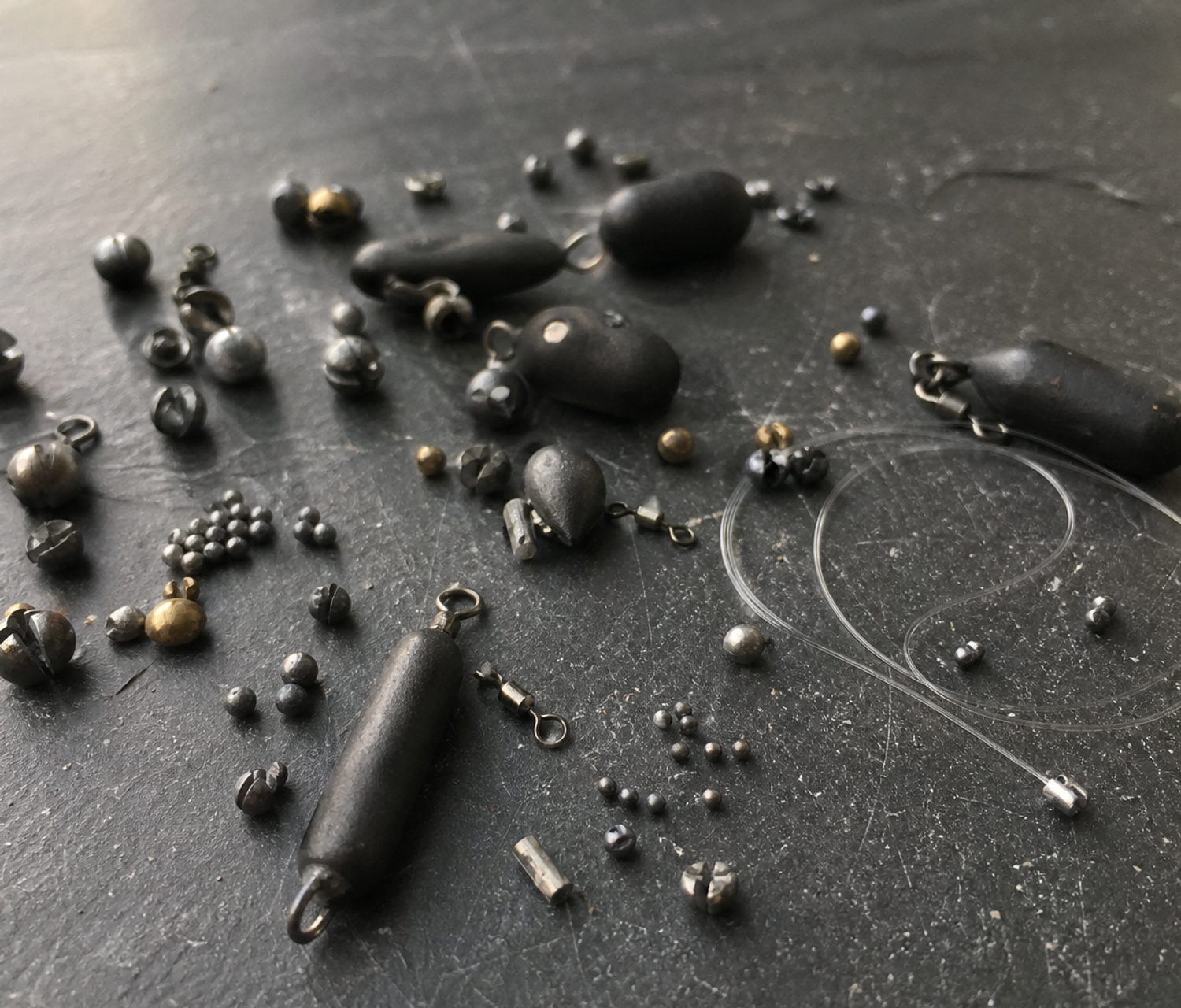
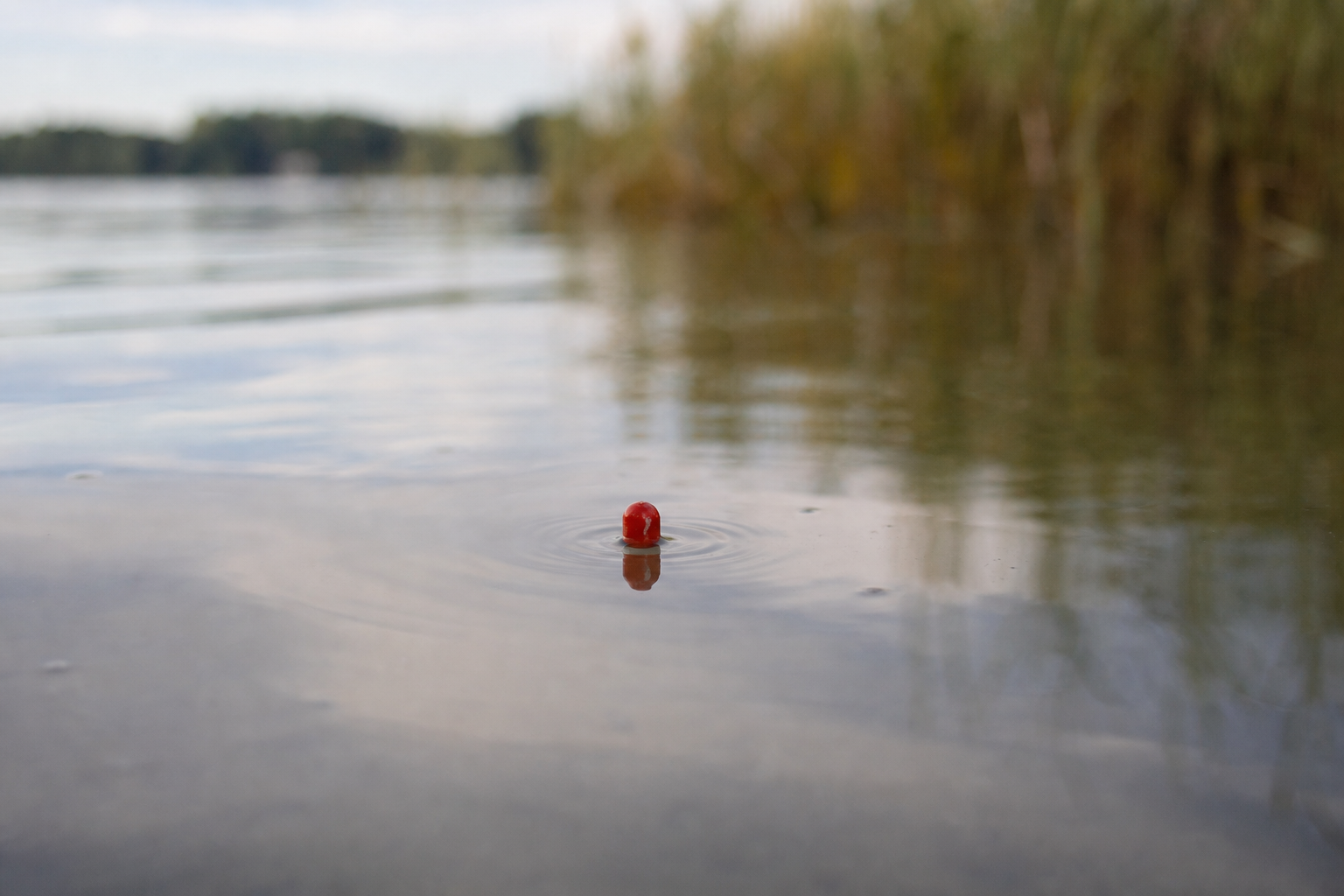
The solution is a process called dotting down. Dotting down simply means adding small split shot to your line, in small increments, until only the very tip of the float is visible above the surface: roughly 2 to 3 mm for most float types. At that point, the float is properly cocked and balanced, and even the lightest mouthing of the bait will produce a clear, visible movement. The exact amount of shot you need will vary with the float you are using, but the principle is the same whether you are fishing a slim waggler on a still commercial lake or a stick float on a gentle river. Add shot gradually, cast to your swim, and watch how the float settles. Keep adding shot until only that small sliver of tip remains above the water.
A float that is riding too high is not giving you accurate bite information. Everything else in this list assumes you have already addressed this point first.
The depth is set wrong
Once the float is dotted down correctly, the next thing to check is whether you are fishing at the right depth. If the depth is significantly out, your bait may be suspended too far above the bottom, sitting in the wrong part of the water column for the fish to find it comfortably, or lying flat on the lakebed with the line to the float angled in a way that reduces sensitivity.
Plumbing the swim accurately, using a plummet clipped to your hook and cast to your chosen spot, tells you what is actually happening down there. If you have not plumbed the swim during this session, it is worth doing. Water depth can change between swims or even between different casting angles in the same swim.
If you are already getting bites but missing them consistently, consider making a small adjustment rather than a dramatic one. Shallowing up by 2 to 3 inches means the bait is hanging just off the bottom, which can encourage fish to take it more confidently. If that kills the bites entirely, add depth back. Small adjustments matter more than large ones here.
The lowest shot is too far from the hook
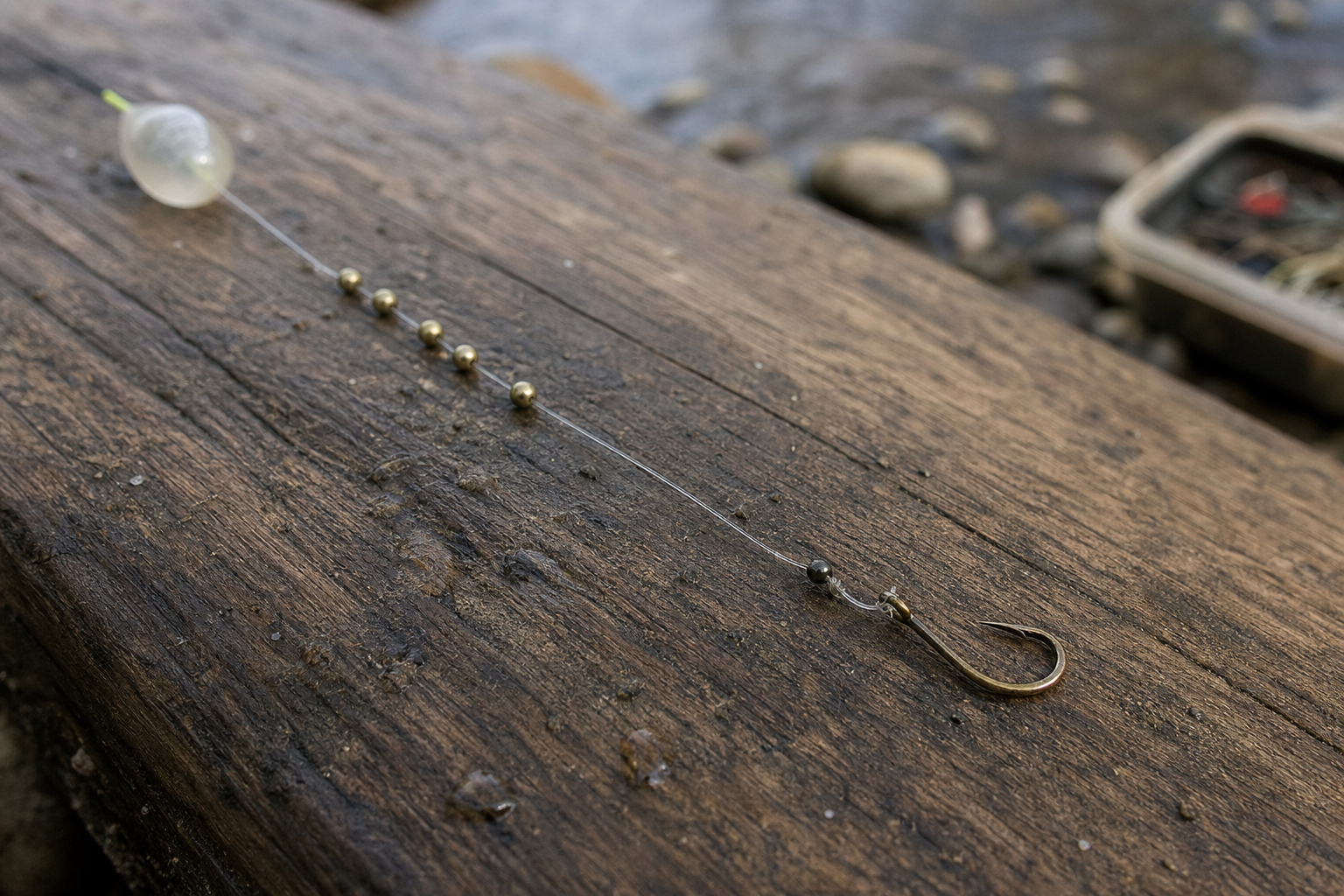
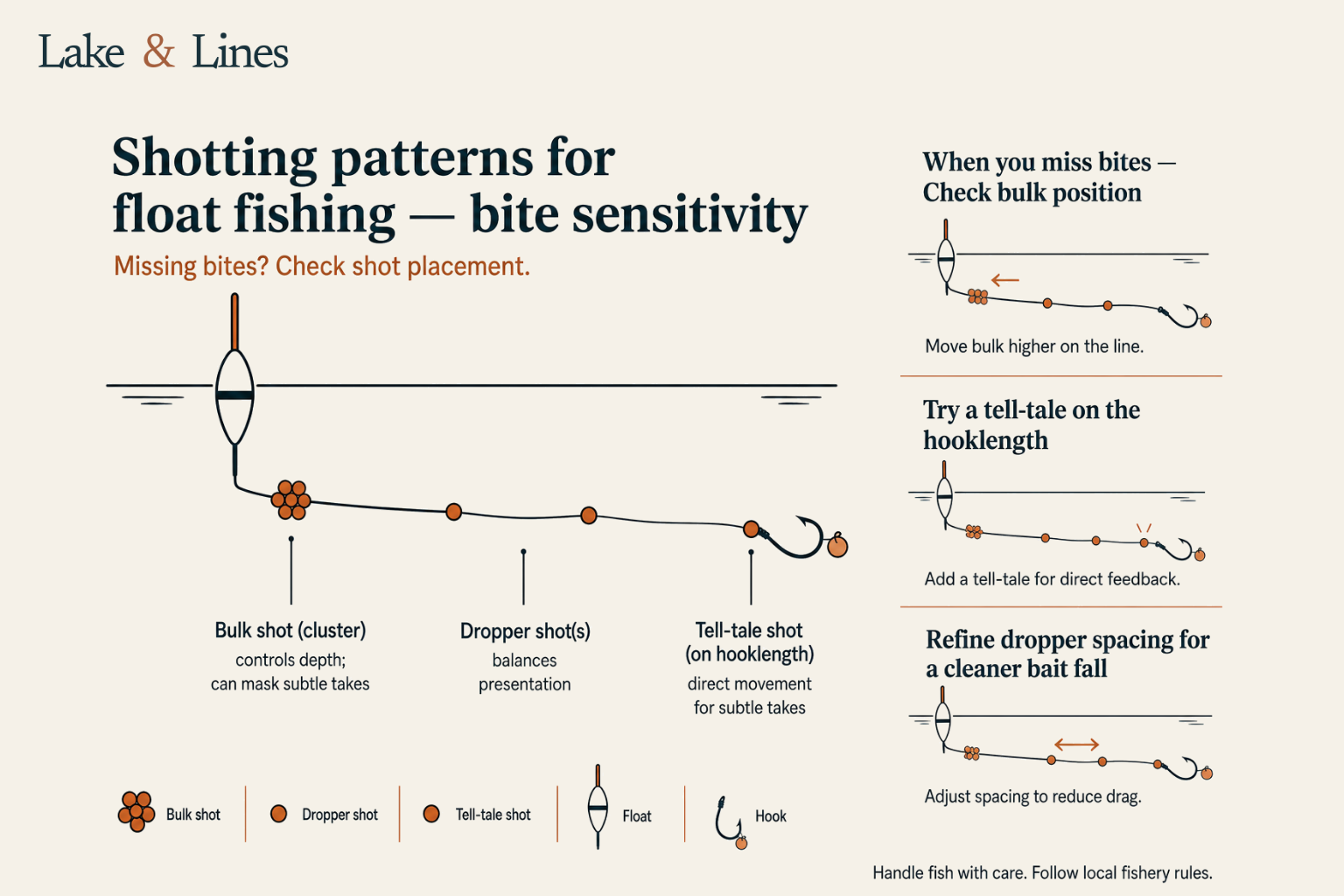
This is one of the most overlooked causes of missed bites, particularly for anglers who are relatively new to shotting patterns. The tell-tale shot, which is a very small split shot (typically a size 8 to 12) placed 4 to 6 inches from the hook, below the main bulk of the shotting, acts as a direct link between the fish's mouth and the float. Without it, or with the lowest shot too far up the rig, a small fish can mouth your maggot, worm or pellet and eject it without producing enough movement to register at the float tip.
If your nearest shot is sitting 12 inches or more from the hook, a roach or skimmer could take the bait and drop it before the float has moved at all. Moving that bottom shot down to within 4 to 6 inches of the hook makes the rig immediately more responsive to tentative takes.
Hook size or bait does not match the fish
If your maggots are coming back with the skin intact but the insides gone, sucked clean, that is a reliable sign that fish are feeding on your bait but your hook is either too large or the bait is being presented in a way that lets the fish strip it without picking up the hook. This is especially common with roach on canals and commercials, particularly in colder water when fish are feeding slowly and cautiously.
The fix is to go smaller. For roach, a size 16 or 18 hook on a single maggot is often more effective than a larger hook with two maggots. For skimmers, a size 14 is usually a better starting point. It is also worth experimenting with the length of your hooklength, which is the short length of line running from the main rig to the hook. Extending the hooklength by 3 to 4 inches can give the bait a more natural, free-moving presentation that encourages fish to commit rather than sip and spit.
Do not feel you need to change both hook and bait at the same time. Start with hook size, give it several casts to assess the difference, and adjust from there.
Wind and line drag are creating false or missed indications
A bow in the line between your rod tip and the float is one of the more frustrating causes of missed bites because the problem is invisible from the bankside until you know what to look for. If there is slack in that section of line, caused by a crosswind pushing the line off course or surface drift pulling the float away from its position, two things happen. First, any movement the float makes has to take up the slack in the line before you feel any resistance on the strike. Second, the float may be moving because of the wind or drift rather than because of a fish, leading you to strike at nothing.
The line between rod tip and float should be as direct as possible. On a windless day with a properly sunk line, this is easy to achieve. On a day with a crosswind, you have a few options. Dipping the rod tip just under the surface immediately after casting and giving the reel handle a turn or two sinks the line and keeps it below the surface chop. Alternatively, holding the rod tip high keeps the line clear of the surface and reduces drift, though this works better in gentle conditions than in a strong wind.
A float that moves in a rhythm matching the ripple, rising and falling with each wave, is almost certainly being moved by the water rather than a fish. A bite tends to look different: a sharp dip, a sudden sideways pull, or a definite lift that breaks the pattern of the surrounding movement. Knowing the difference takes a little time, but once you have seen it, it becomes instinctive.
Poor line choice can also contribute to this problem. A line that does not sink readily or that has too much surface memory will bow more easily in wind and drift. A quality monofilament chosen for float fishing makes a real difference to presentation in difficult conditions.
Striking too early, too late or too hard
Timing is genuinely difficult to get right, and it is one of those things that can feel almost paradoxical. Strike too quickly and you pull the bait out of the fish's mouth before it has a proper hold. Strike too late and the fish has already felt something wrong and ejected the bait. Strike too hard and you risk snapping lighter hooklengths or tearing the hook free.
A practical working rule: strike at a clear, positive indication, which means a definite dip below the surface, a steady rise, or a sideways slide, with a firm, controlled sweep of the rod. Not a heave. Not a flick. A smooth, decisive lift that picks up the line and drives the hook home.
For tentative species such as roach in cold water, a very brief pause after a definite dip, roughly one count, can improve your hookup rate noticeably. The fish has had just enough time to move the bait back into its mouth. For more confident takes from carp or F1s on commercials, you can strike more quickly, because those fish tend to bolt with the bait.
The most common mistake among anglers who are missing bites is striking at every float movement regardless of what it looks like. Not every movement is a bite. Learning to let certain movements play out before responding is a skill, not a fault.
How to read what your float is actually telling you
Understanding float bite indication problems starts with knowing what each type of movement means. The float is not just telling you that something happened. It is telling you how a fish interacted with your bait, and each type of movement suggests a different response.
| What the float does | What it usually means | What to do |
|---|---|---|
| Dips cleanly below the surface | Fish has taken the bait and moved away | Strike firmly |
| Rises or lifts upward | Fish has lifted the bottom shot or bait (lift bite) | Strike as it rises or lies flat |
| Slides sideways across the surface | Fish has picked up the bait and moved horizontally | Strike positively |
| Bobs repeatedly without going under | Small fish pecking at the bait, or shot too far from hook | Adjust shot position, check bait |
| Drifts steadily in one direction | Wind or undertow moving the float, not a fish | Check line, recast |
Patterns matter more than single movements. A float that bobs twice, holds steady for a moment, and then dips cleanly is behaving very differently from one that bobs randomly for an entire session without going under. The first sequence is often a fish approaching, mouthing the bait, and committing to it. The second is more likely line bites, small fish pecking at loose feed, or surface disturbance.
A line bite, for reference, is a movement caused by the line touching a passing fish rather than a fish taking the bait. These can be sharp, convincing-looking dips that produce nothing on the strike. They are common when fish are moving actively through the swim rather than feeding on the bottom, and they are usually more erratic and inconsistent than true feeding bites.
Give yourself a few minutes at the start of a session just to watch the float before you expect it to go under. Get a feel for how it sits, how it responds to the ripple and how much natural movement there is. That baseline makes it much easier to recognise when something different is happening.
A simple checklist to work through at the bankside
If you are missing bites and cannot identify the specific cause, work through this list in order. Change one thing at a time, give it a realistic number of casts to assess the effect, then move to the next point if needed.
- Is the float dotted right down? Add split shot in small increments until only 2 to 3 mm of tip is showing. This is the first thing to check every session.
- Is the depth accurate? Re-plumb the swim if you have not done so today. Small changes in bottom contour or approach angle can make a significant difference.
- Where is your lowest shot? Move your tell-tale shot to within roughly 4 to 6 inches of the hook if it is currently sitting further up the rig.
- Are your maggots coming back sucked? Drop hook size and try a single maggot, or extend the hooklength by a few inches to give the bait more movement.
- Is there a bow in your line? Sink the line after casting by dipping the rod tip below the surface, or recast with a tighter line and less slack.
- Are you striking at every float movement? Learn to distinguish lift bites and sideways slides from wind drift and line bites. Not every movement requires a response.
- Are you striking too soon? On tentative takes, allow a definite dip to develop fully before striking with a controlled, firm sweep of the rod.
Change one thing at a time
When troubleshooting missed bites, resist changing everything at once. Adjust one variable per cast or short sequence of casts. That way you know what actually made the difference and can repeat it.
When the lift method changes everything
If your float is consistently rising up in the water or lying completely flat on the surface rather than dipping under, and you have been ignoring those movements as false indications, you may have been missing a significant number of bites.
A rising or flat-lying float is a lift bite. It happens when a fish lifts the bottom shot off the lakebed. Because the float is supporting the weight of that shot, removing that weight causes the float to rise higher in the water. If the fish lifts the shot far enough, the float lies flat and horizontal on the surface. Both of these are genuine, positive bite indications. Strike at either of them.
The lift method is a rig deliberately designed around this indication. It uses an overshotted float, meaning more weight than the float would normally carry, with the bulk of that shot sitting on or very close to the bottom. The float therefore sits lower in the water than it would normally. When a fish lifts that weight, the float rises sharply. The bite is impossible to miss once you know what to look for.
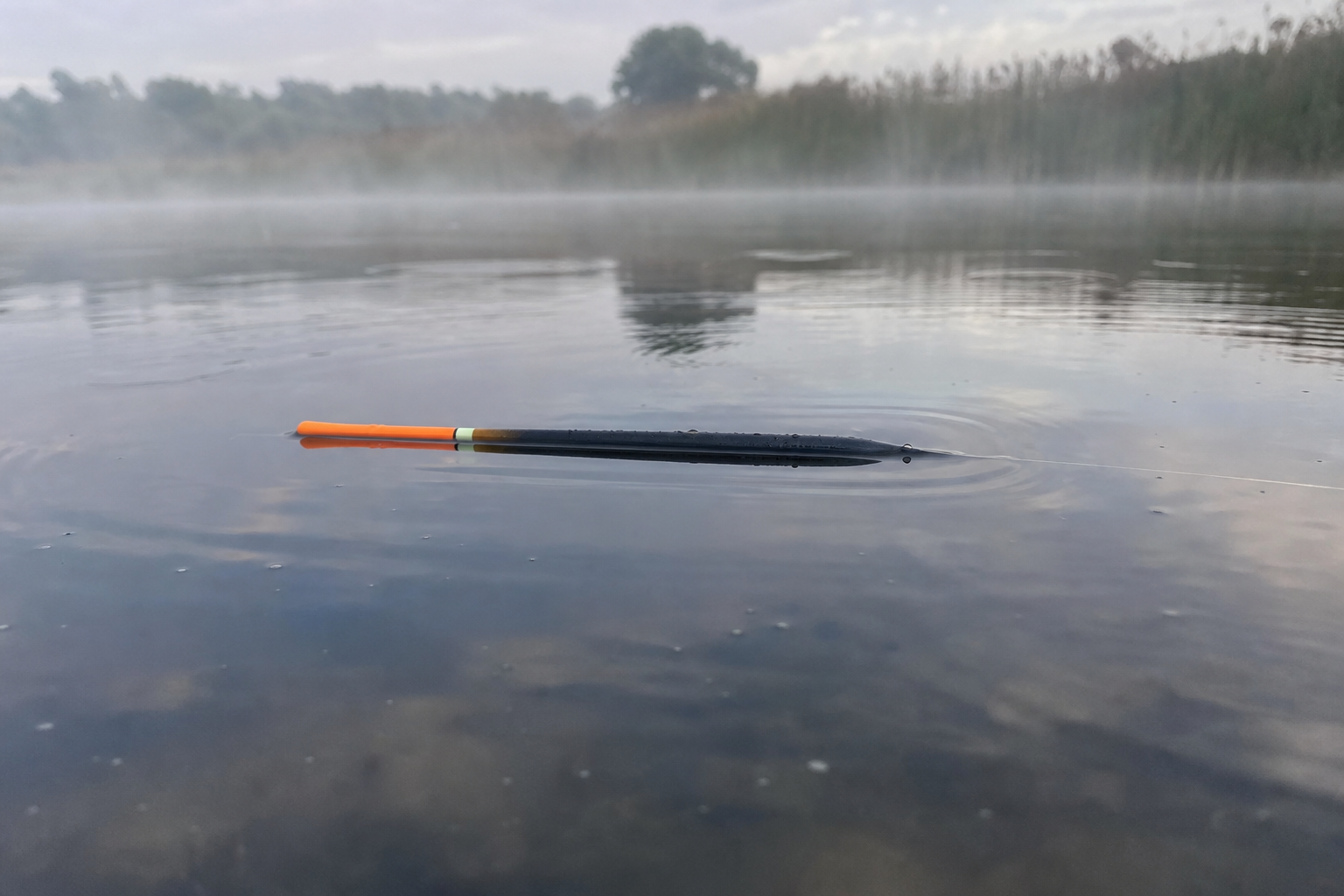
This method is particularly effective for tench and larger carp on stillwaters, where the fish tend to root around on the bottom and lift bait upward before moving off. If you are regularly seeing your float rise without any obvious explanation, and you are striking at conventional dips and getting nothing, consider switching to a lift method setup. It is not a complex rig to put together, and it can transform a frustrating session into a productive one.
A note on conditions and honest expectations
A well-adjusted rig makes a real difference, but it cannot override everything. Some missed bites on a difficult day are unavoidable, and it is worth being clear-eyed about that.
In a strong crosswind, maintaining a clean line between rod tip and float becomes genuinely difficult. Surface chop distorts float movement. Presentation suffers even with a correctly set-up rig. In those conditions, the right question is not always "what else can I adjust?" but "is float fishing still the best approach for today?" A feeder setup, which anchors the bait and gives a rod-tip indication, can be a more reliable method when wind and drift make a float hard to read accurately.
Very cold water changes fish behaviour in ways that no rig adjustment can fully compensate for. In winter or during a cold snap, roach, skimmers and carp all feed more tentatively, mouth baits more lightly and may drop them before any indication reaches the float. Smaller bait, a finer hooklength and a more sensitive float tip all help at the margins, but they do not guarantee conversion. A session where you are connecting with one in three bites is not necessarily a sign that something is wrong. In cold water, that may simply reflect how cautiously the fish are feeding.
The purpose of working through this checklist is to fix the problems you can control, not to eliminate all uncertainty. Fishing will always involve some proportion of missed bites. Getting that proportion down through good rig setup and careful observation is the goal, and it is entirely achievable with the adjustments outlined here.
Frequently asked questions
What does dotting down the float mean and why is it important?
Dotting down is adding small split shot until only 2 to 3 mm of the float tip shows. It makes the rig more sensitive so light mouthing produces a clear indication.
How close should the lowest shot be to the hook?
Place a very small tell-tale shot about 4 to 6 inches from the hook. If the lowest shot is too far up the rig, tentative takes may not register at the float.
How do I avoid striking at false movements?
Watch the float for a baseline of natural movement. Strike on a clear dip, definite lift or sideways slide. Avoid reacting to rhythmic ripples or erratic bobs caused by wind or passing fish.
What is a lift bite and how should I respond?
A lift bite occurs when a fish lifts the bottom shot and the float rises or lies flat. Treat this as a genuine take and strike as it rises or lies flat.
How does wind affect bite detection and what can I do?
Wind can create a bow in the line and move the float, masking real bites. Sink the line by dipping the rod tip after casting or hold the rod higher to reduce surface drag.

Lake & Lines Editorial Team
Editorial team
The Lake & Lines editorial team brings together freshwater fishing guides and researched tackle advice, helping beginners and returning anglers prepare for better days by the water.