Taking Children Coarse Fishing: A Practical Guide for Parents
A practical guide for parents on taking children coarse fishing in England and Wales. Covers rod licences, day tickets, choosing family friendly venues, simple tackle, safety and basic fish care.
At a Glance
- Children under 13 in England and Wales do not need a rod licence; ages 13–16 require a free junior licence and 17 plus need the standard licence.
- A rod licence does not replace a day ticket or fishery permit; most waters require separate permission and junior rates vary by venue.
- Choose family friendly waters with firm, level banks, well spaced pegs and reliably biting small to medium coarse fish for a first session.
- Keep tackle simple: a short pole or whip with a float rig is a forgiving starting point, or book a coached session where tackle is provided.
- Treat supervision, waterside safety and fish care as central: actively supervise, wear suitable footwear and use a landing net and unhooking mat when needed.
If you want to take a child coarse fishing and are not sure where to start, you are in the right place. Taking children coarse fishing on a well-chosen stillwater is a manageable, enjoyable first session, and most of the uncertainty disappears once you have sorted the licence, picked a suitable venue and decided on a method. This guide covers England and Wales. Scotland and Northern Ireland each have their own separate rules and licensing systems, and those are addressed briefly below.
Does Your Child Need a Rod Licence?
This is the question most parents ask first, and the answer depends on age. In England and Wales, children under 13 do not need a rod licence at all. Children aged 13 to 16 do need one, but the junior licence is currently free of charge. It must be applied for and held before they fish, not picked up on the day as an afterthought.
You can get a free junior rod licence online from GOV.UK or by calling the Environment Agency fishing licence line on 0344 800 5386. The licence covers coarse and trout fishing and is the same process as an adult licence, just without the cost.
| Child's age | Rod licence needed? | Cost | Where to get it |
|---|---|---|---|
| Under 13 | No | Free | Not required |
| 13–16 | Yes (junior trout and coarse licence) | Free | GOV.UK / phone |
| 17 and over | Yes (standard licence) | Standard fee applies | GOV.UK / phone |
What about carers and parents who are also fishing?
If you intend to fish yourself, you need your own valid rod licence. A carer who is supervising the child but not holding a rod does not need one. The distinction matters: if you plan to demonstrate a cast, set a rig or fish alongside your child rather than simply watching, you are fishing and a licence applies. The current guidance on GOV.UK sets this out clearly.
Scotland and Northern Ireland
The rod licence rules above apply only in England and Wales. Scotland does not require a rod licence for freshwater fishing, except in the Border Esk region, which needs the England and Wales licence. You still need permission from the riparian owner or the relevant club or association. Northern Ireland has its own rod licence system, run by the Department of Agriculture, Environment and Rural Affairs (DAERA) and the Loughs Agency, each for its own area, and you also need an angling permit. If you are planning a junior coarse fishing session outside England and Wales, check the rules for the relevant nation directly before you go.
Day Tickets and Fishery Permits: The Second Step
A rod licence confirms you are legally permitted to fish; it does not give you the right to fish any particular water. Almost every managed stillwater, commercial fishery, canal and club lake requires a separate day ticket, club card or local authority permit on top of the national licence. These are two distinct steps, and missing the second one is a common mistake.
The way this works in practice varies. On the Grand Western Canal in Devon, for example, anglers need both an Environment Agency rod licence and a permit from Tiverton and District Angling Club, which manages fishing rights on that stretch. On Ribble Valley Council waters in Lancashire, a council permit is required alongside the national licence. These are examples of how the two-step process operates, not the only models you will encounter. Every fishery manages its own permissions, and the rules differ from water to water.
Check before you travel
Phone or check the fishery's website before you set off. Some waters require permits that cannot be bought on the day, and some have different pricing for juniors. Turning up unprepared can mean a wasted journey.
Ask the fishery specifically whether junior rates apply, whether permits are available on arrival, and whether there are any rules around supervision. Getting this confirmed before you leave saves time and avoids disappointment.
Choosing a Venue That Suits a Child's First Session
Not every fishery is well suited to a child's first time on the bank. The right venue makes the session far more likely to be successful. This section explains what to look for, rather than directing you to specific waters, because the best choice depends on where you live and what is accessible to you.
What makes a venue family-friendly?
The most important factors for a child's first session are safety, fish that bite regularly and a practical layout that makes supervision straightforward. Specifically, look for:
- Firm, level bankside access with no steep or slippery approaches to the water
- Well-spaced pegs that give you room to supervise without crowding
- A healthy stock of small to medium coarse fish (roach, perch, skimmer bream and small carp are ideal) that feed reliably and give plenty of bites
- Clear, visible water rules displayed at the fishery or on their website
- Basic toilet or welfare facilities if you plan to stay for more than an hour or two
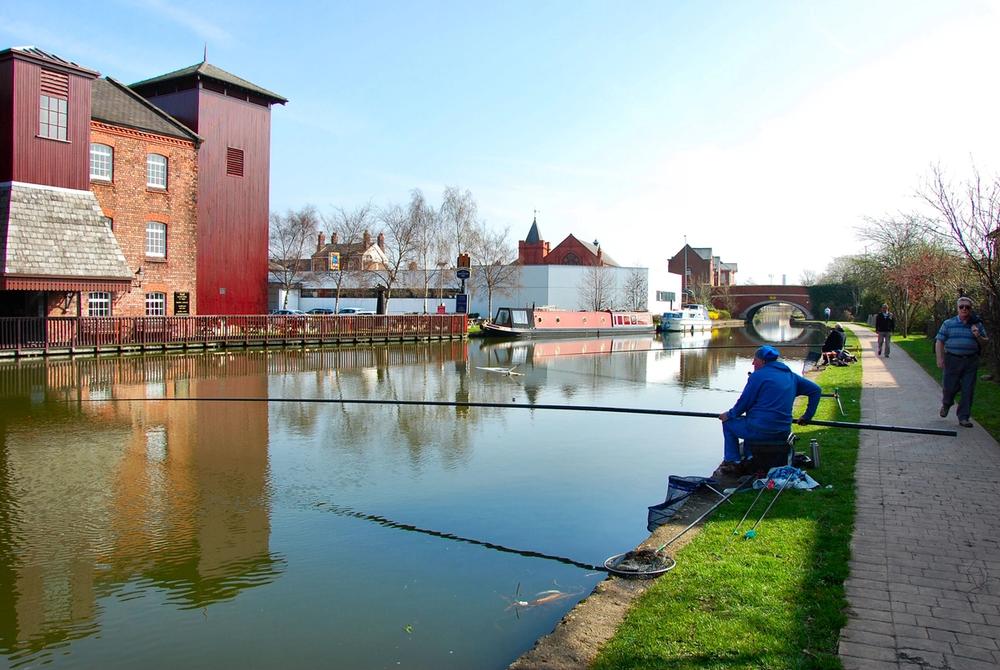
Small managed stillwaters and commercial fisheries are generally a better choice for children's first sessions than large open reservoirs or fast-flowing rivers. The fish tend to be easier to catch, the environment is more controlled, and the distances involved are manageable.
Supervision rules you should know
Many fisheries now formalise their supervision requirements, so it is worth checking before you visit. As an example, Environment Agency lock and weir permits for the 2026 to 2027 season require continuous supervision of under-16s by an adult holding a valid permit. Ribble Valley Council's waters require children under 11 to be accompanied by a parent or responsible adult at all times. These are specific examples of a wider approach: supervision is treated as an active responsibility, not a background one. Check the fishery's own rules, as requirements vary.
Should you book a junior coaching session instead?
A junior coarse fishing session run by a qualified coach is a genuinely good option, particularly if you are new to fishing yourself or returning after a long gap. A well-run introductory session provides a screened, family-friendly venue with controlled access, all tackle and bait included, and a coach who teaches fishing basics, waterside safety and fish care as part of the session. You arrive, fish and learn, without needing to sort equipment or permits independently.
The Angling Trust's Get Fishing initiative (active as of July 2026) connects families with introductory sessions through local clubs and coaching organisations. These are not commercial upsells; they are structured, low-pressure introductions to the sport. If the idea of planning your own trip feels daunting, a coached session removes most of the preparation. If you feel confident planning independently, a DIY session on a well-chosen stillwater works just as well.
Finding a local junior session
The Angling Trust's Get Fishing initiative links families with introductory sessions run by local clubs and coaches. Search the Angling Trust website for events near you. Many sessions provide all tackle and focus on catching a first fish in a safe, relaxed setting.
Tackle for a Child's First Coarse Fishing Session
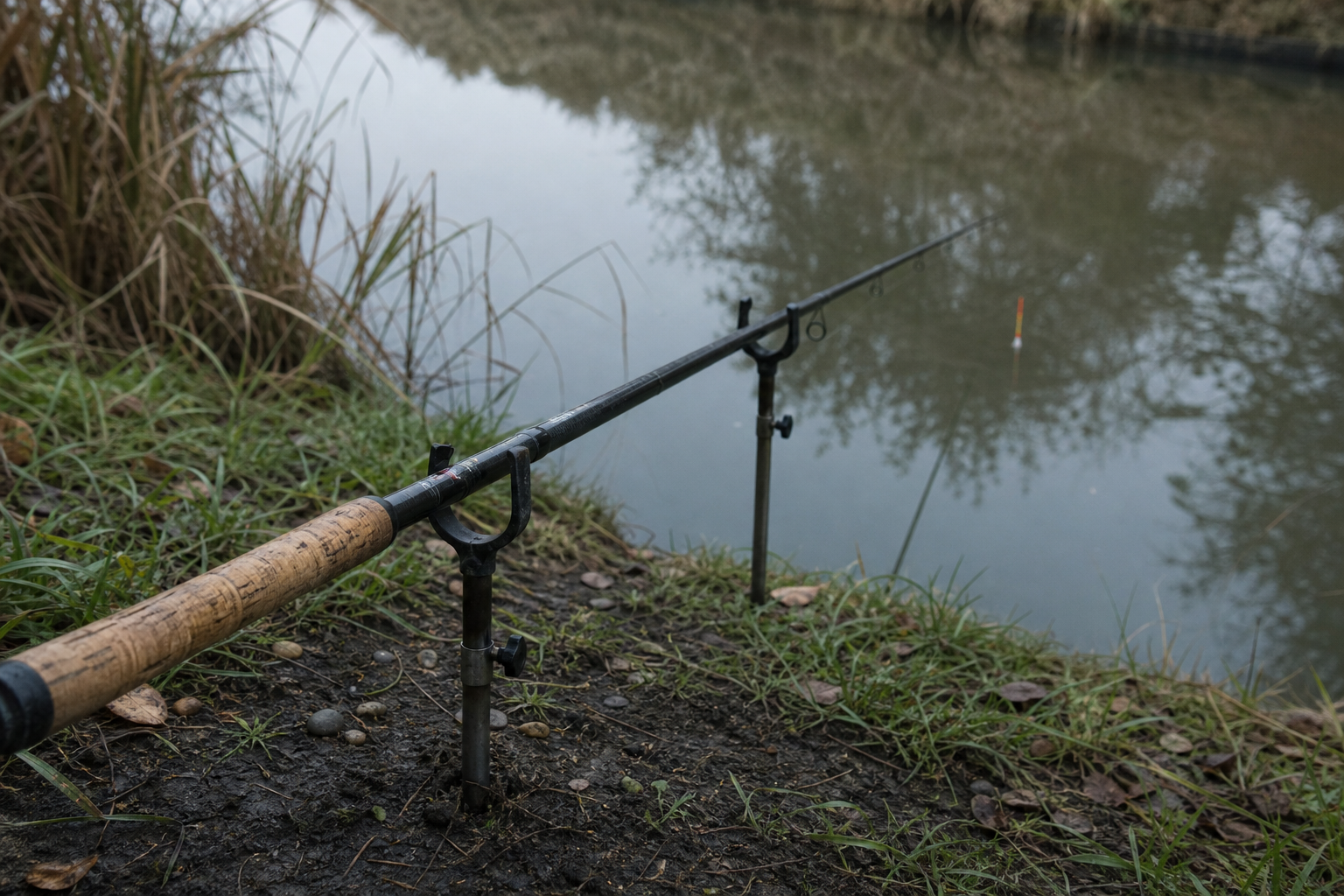
Keep the setup simple. A first session is about catching fish and enjoying the experience, not about mastering complex tackle. The method choices below are starting points, not a complete equipment list.
The simplest starting point: a short pole or whip
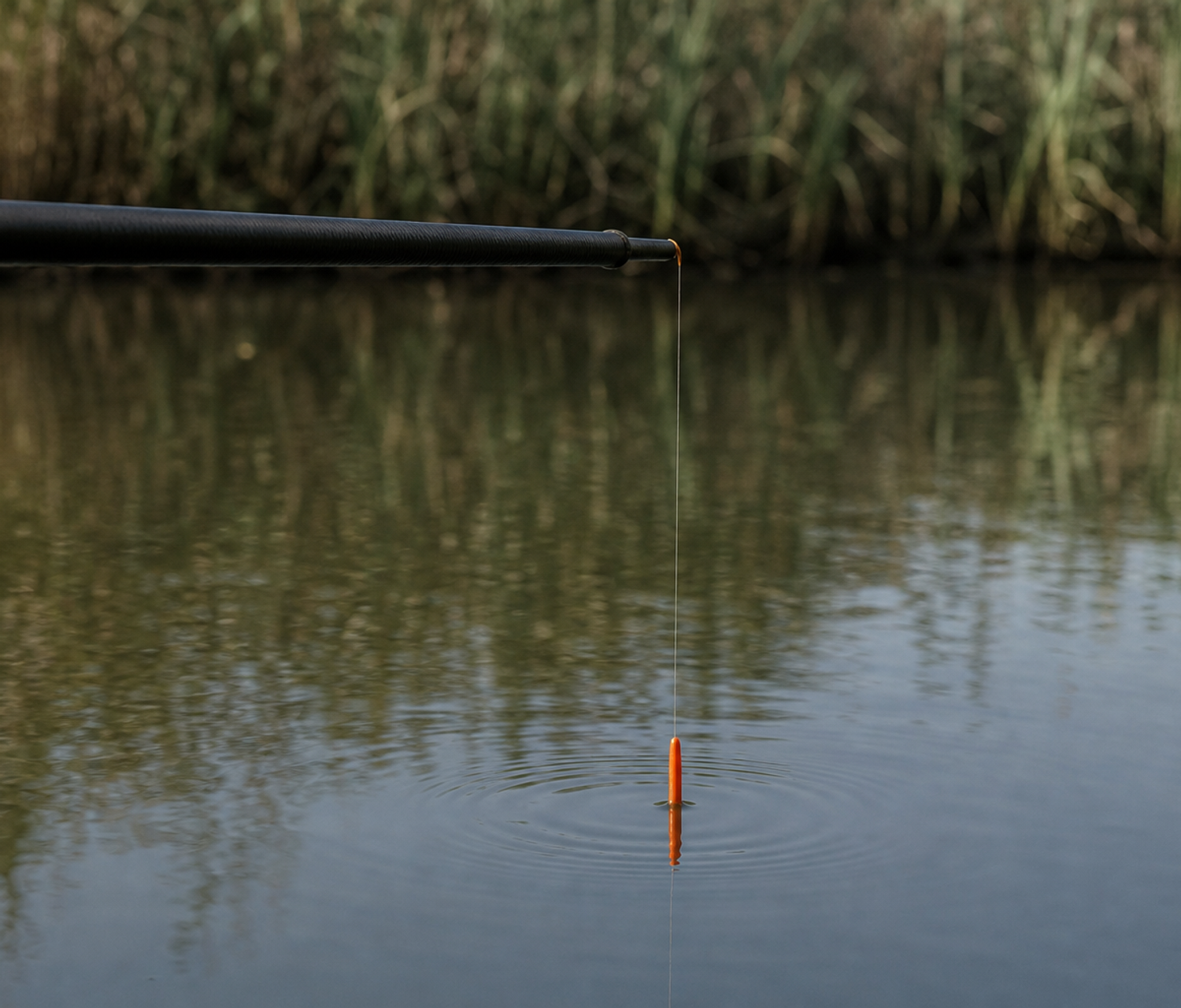
A whip is a short, fixed-length pole with no reel, usually between three and five metres long. There is nothing to cast; you simply extend the tackle out over the water and lower the float in. For children, this is often the most effective starting point because there is no casting technique to learn, the tackle stays at a consistent, manageable distance, and bites are visible immediately through the float. The direct connection between the pole tip and the hook means any movement is felt and seen quickly, which keeps engagement high.
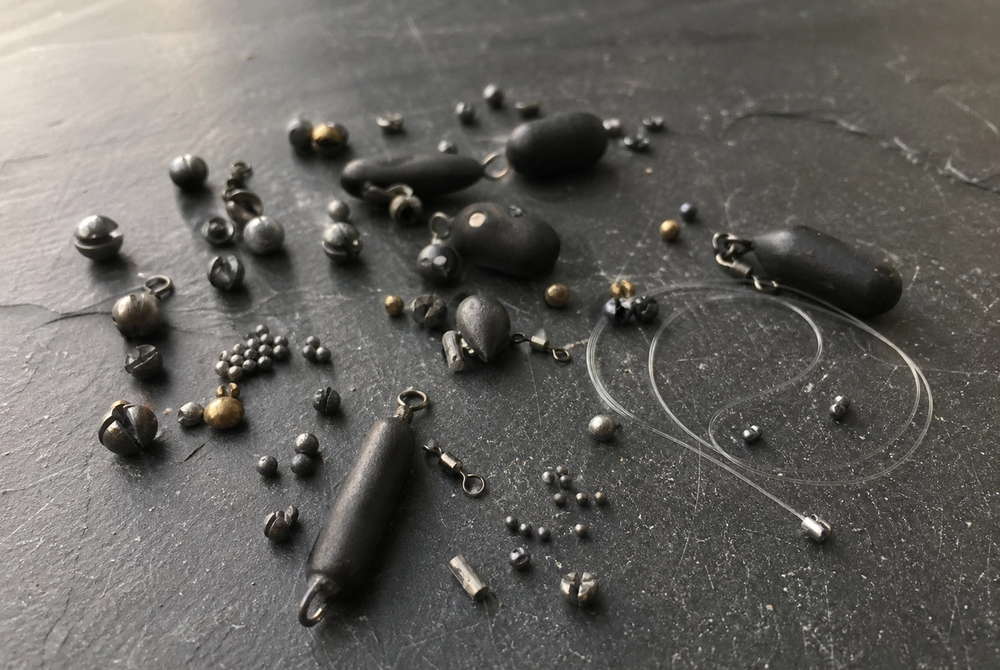
A basic float rig on a whip (a small waggler or pole float, a shot or two to cock it, and a small hook baited with maggot or sweetcorn) is all that is needed for most small stillwaters.
Float fishing with a rod and reel
If you already have a basic rod and reel setup, float fishing on a small stillwater is also a practical starting point for a junior coarse fishing session. A waggler (a float attached to the line at the bottom end only, used on still or slow-moving water) or a stick float (attached top and bottom, suited to flowing water) can both work well. A waggler is usually the more straightforward choice on a stillwater.
If you are setting up a float rod for the first time, our guide on how to set up a float fishing rod takes you through the process step by step.
What a coached session provides
If you book a coached session, all tackle is provided as part of the session. There is no need to buy or borrow equipment before you go. This is one of the practical advantages of a coached introduction, particularly if you are not yet sure how often you will fish.
What to bring regardless of method
Tackle aside, a few non-tackle items make a real difference to a comfortable session:
- Appropriate clothing for the conditions, including waterproofs and warm layers
- Sun protection if the session is in warmer months
- A landing net if fishing independently (most fisheries require one)
- An unhooking mat for any fish brought to hand on larger pegs
- Food and drinks, especially if the session runs to two hours or more
Keep it short for a first session
A two-to-three-hour session is usually long enough for a child's first time. Finishing while the child still wants to carry on is far better than staying until enthusiasm fades. Build the session around catching rather than waiting.
Waterside Safety
Safe bankside practice is a normal part of taking a child fishing, not a separate concern. The most important principle is simple: children should not be close to the water's edge unsupervised, and the adult responsible should be actively present throughout the session, not elsewhere on the bank.
A few specific points are worth keeping in mind. Wear appropriate footwear: wet or muddy banks can be slippery, and firm-soled boots or wellies are more secure than trainers. Stick to firm, defined bank areas and avoid leaning out over the water to retrieve tackle. If the water is deep or the bank is elevated, keep children back from the edge except when actively fishing or landing a fish.
As noted in the venue section, many fisheries now formalise supervision requirements for under-16s. Treat these as a minimum, not a ceiling.
Fish Care From the Start
Fish care is a skill, not a rule. Learning to handle and return fish correctly from the very first session sets a good habit that stays with an angler throughout their fishing. It is also a straightforward set of actions.
For any fish that needs bringing to hand, use a landing net rather than lifting it directly from the water. Keep the fish wet throughout: do not hold it out of the water for longer than you need to. Unhook over a soft surface, such as an unhooking mat or wet grass. If the fish is small enough to be unhooked in the net close to the water, that is often the least stressful approach. When returning the fish, lower it gently into the water and support it upright until it moves away under its own strength.
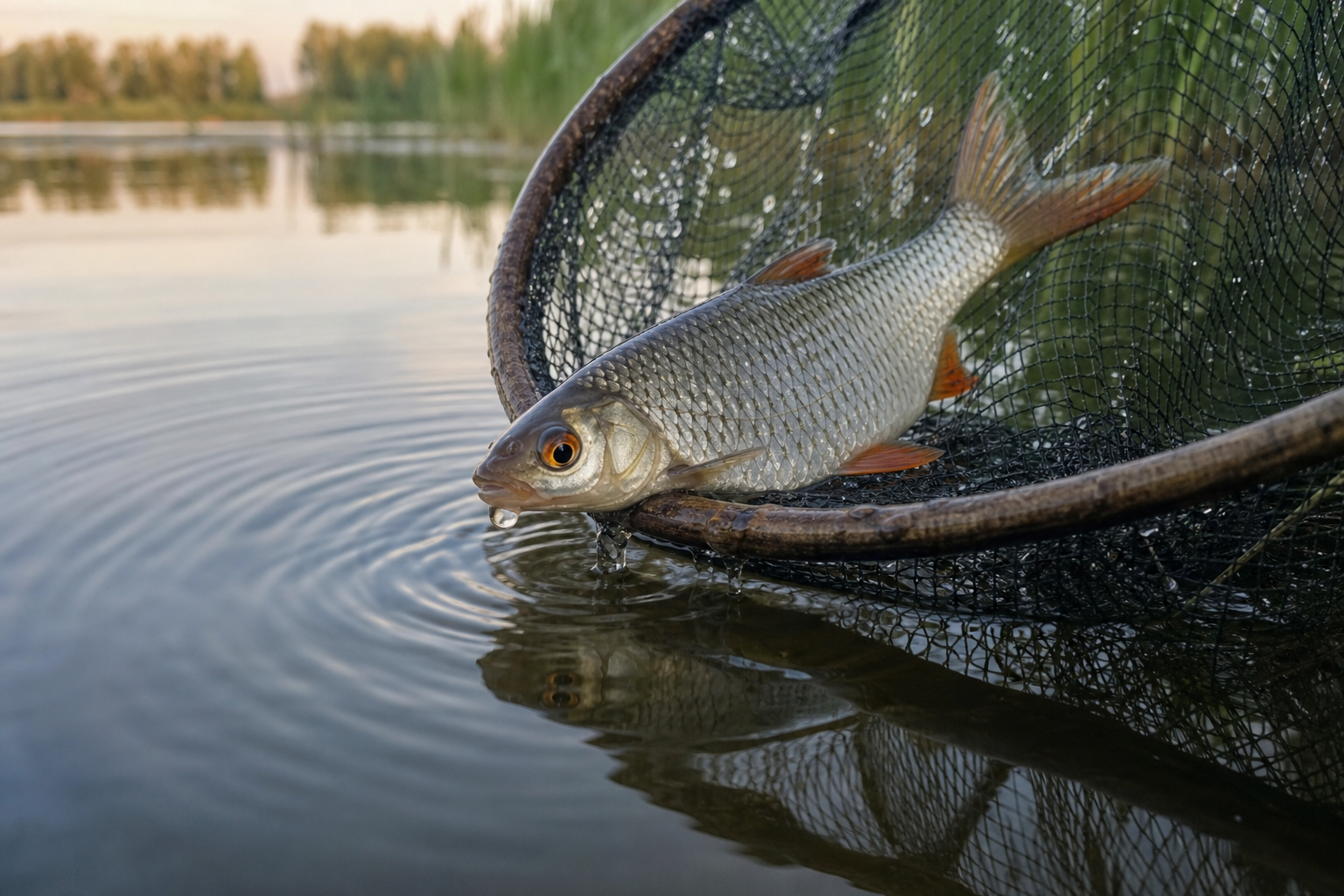
Coached sessions teach these skills as part of the session alongside casting and float setting. If you are fishing independently, talking your child through each step while you do it together is the most natural way to pass it on. The site's guide on how to unhook coarse fish covers the practical steps in more detail.
Planning the Session: A Quick Checklist
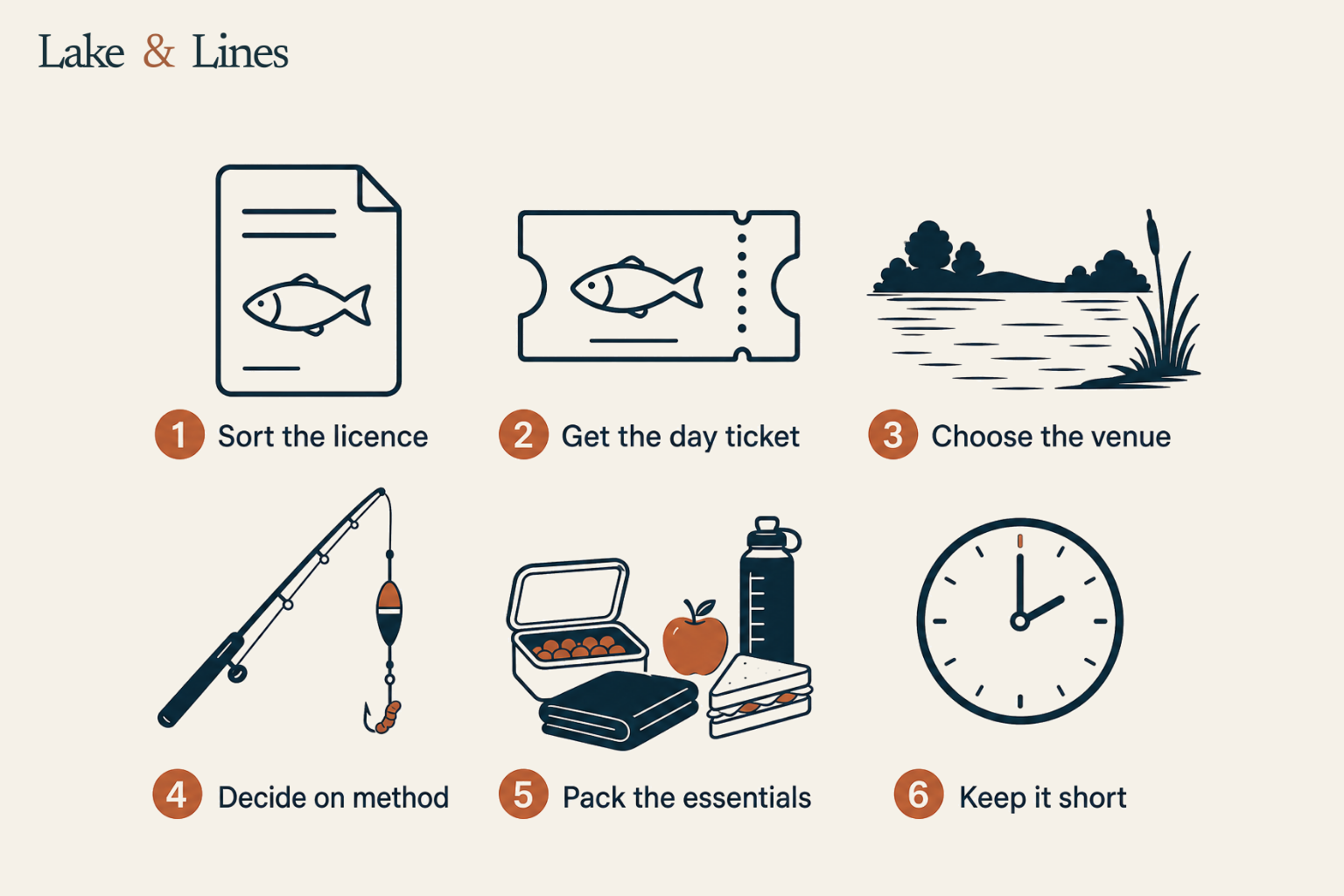
Before you go
Sort the licence
Check whether your child needs a rod licence. Under 13s do not. Ages 13–16 need a free junior licence from GOV.UK.
Get the day ticket or permit
Contact the fishery in advance. Ask whether junior rates apply and whether permits must be bought ahead of the visit.
Choose the venue
Pick a small stillwater or managed fishery with firm bank access, well-spaced pegs and a clear rule about supervision.
Decide on method
A short pole or whip with a float rig is a forgiving starting point. If tackle is being provided by a coached session, confirm what is included.
Pack the essentials
Appropriate clothing, landing net, unhooking mat, refreshments and a licence on your phone or in your wallet.
Keep the session short
Two to three hours is usually enough for a child's first time. Plan to stop while enthusiasm is still high.
Frequently asked questions
Does my child need a rod licence to fish?
In England and Wales, children under 13 do not need a rod licence. Ages 13 to 16 need a free junior trout and coarse licence which must be obtained before they fish. From 17 upwards the standard licence and fee apply.
Do I also need a day ticket or permit for the water?
Yes. A rod licence does not give the right to fish particular waters. Most managed stillwaters, commercial fisheries and council or club waters require a separate day ticket, club card or permit on top of the national licence. Check the fishery before you go.
What type of venue suits a first session for a child?
Choose small managed stillwaters or commercial fisheries with firm, level bank access, well spaced pegs, a healthy stock of small to medium coarse fish and visible rules. Basic toilet or welfare facilities are helpful for longer sessions.
What tackle should I use for a first junior coarse fishing session?
Keep it simple. A short pole or whip with a basic float rig is ideal because there is no casting to learn. A float rod with a waggler also works. Coached junior sessions usually supply all tackle and bait.
How should I manage safety and fish care on the bank?
Supervise children actively and keep them away from the water edge unless actively fishing. Wear firm footwear, use a landing net and unhooking mat where needed, keep fish wet, unhook gently and return fish quickly and supported.
Lake & Lines Editorial Team
Editorial team
The Lake & Lines editorial team brings together freshwater fishing guides and researched tackle advice, helping beginners and returning anglers prepare for better days by the water.