Feeder Rods for Small Commercial Lakes: A Focused Shortlist
Shortlist of feeder rods for UK small commercial lakes with clear advice on length, casting weight, quivertips, reels, line and rigs for accurate short range fishing.
If you fish small UK commercial stillwaters, you do not need every rod on the market explained to you. You need a shortlist of rods suited to short to medium range casts, mixed stocks of carp, F1s and silvers, and the kind of tight pegs you find on most commercial day-ticket lakes. These recommendations are based on research, published specifications and editorial knowledge rather than direct hands-on testing of each rod. Prices are approximate and should be verified at the time of purchase, as they change regularly.
What Makes a Feeder Rod Work on a Small Commercial Lake
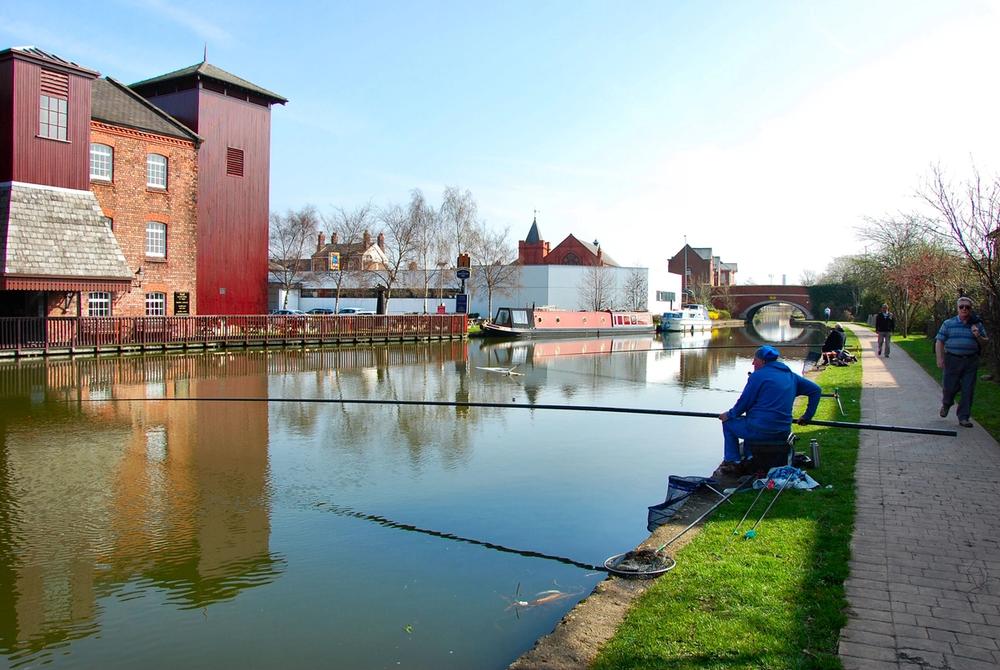
Small UK commercials have specific demands that a general feeder rod guide rarely addresses properly. Most of the waters you are likely to fish sit somewhere between 15 and 40 metres from bank to island, which means distance is rarely the challenge. Accuracy is. Placing a method feeder consistently onto a small patch of gravel or just off the end of a platform takes a rod with enough feel to give you feedback at close range, and enough backbone to turn a lively F1 away from the nearside margin before it wraps you around a post.
The stock mix matters too. In a single session you might be targeting silvers on a light groundbait feeder one hour and switching to a loaded inline method feeder for carp the next. The rod needs to cover both ends of that range without feeling compromised at either. That is a more specific brief than it might first appear.
The right rod for the water
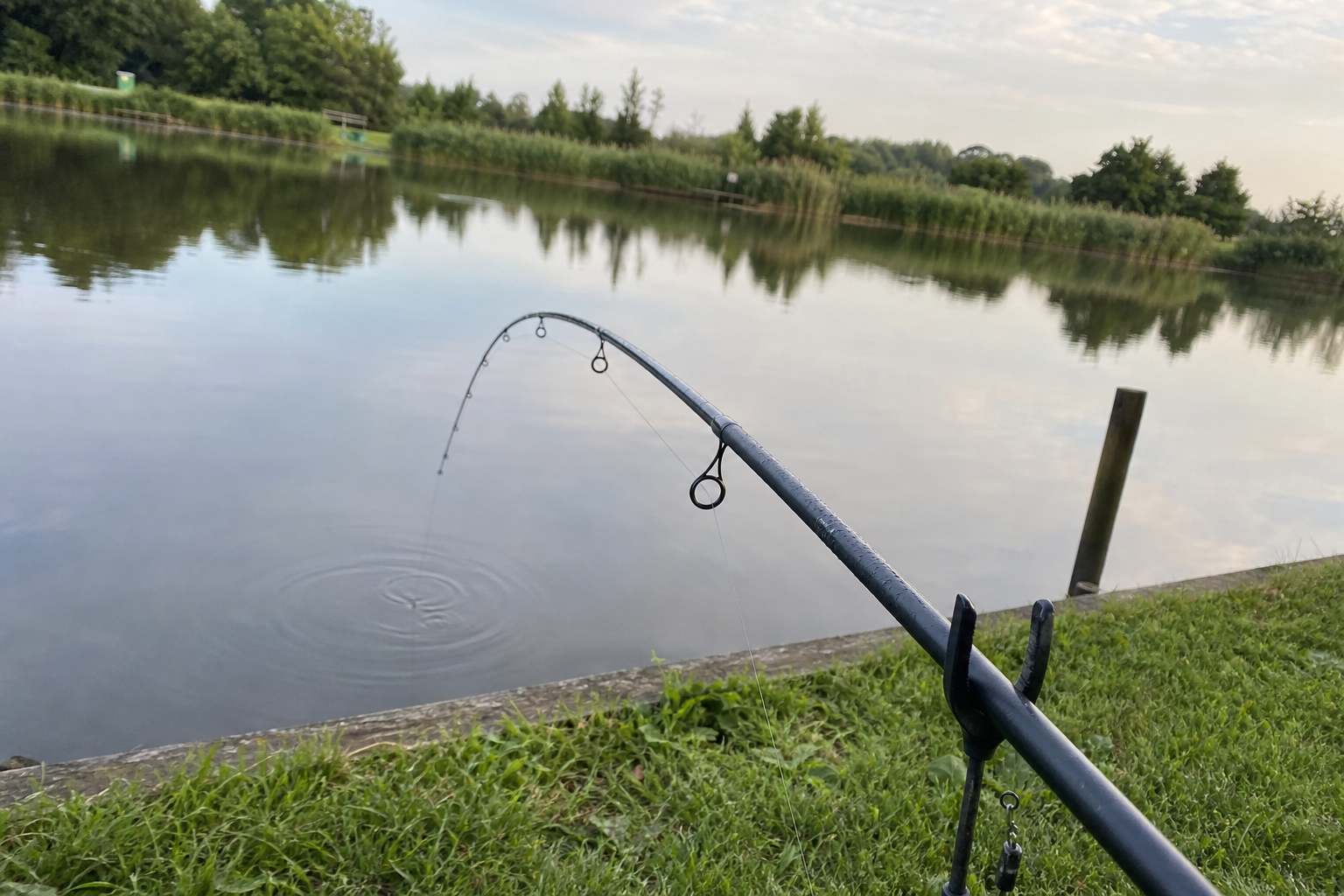
Small commercial lakes rarely need long casts. A 10 to 11ft rod rated up to somewhere between 40 and 70g gives you the control to place a feeder accurately at 20 to 30 metres, the backbone to turn a carp away from a near-bank snag, and enough sensitivity to register a bite from a skimmer in the same session.
The Specifications That Matter Most
This section is not a technique tutorial. It is a brief explanation of why certain specifications suit commercial stillwaters specifically, so that the shortlist that follows makes sense rather than just being a list of names and prices.
Rod Length
For most commercial pegs, 10 to 11ft is the most practical choice. It gives you enough length to keep line off the water on short casts, helps with line management when a carp kites sideways, and works well on the wider platform pegs that most day-ticket venues use.
Shorter rods in the 9 to 10ft range do exist and are occasionally marketed specifically for commercial fishing. They suit very tight swims, close-island work or anglers who want a more compact outfit for easy transport. The limitation is versatility: if you fish a variety of waters, a 10 to 11ft rod will be the sensible default on almost all of them. If you tend to fish one particular lake with a very tight, enclosed peg, a shorter rod is worth considering. The detail on how length interacts with casting angle and bite indication is covered thoroughly in the guide to feeder rod length and quivertips.
Casting Weight
Look for a rod rated up to somewhere between 40 and 70g. The rating is the most a rod is designed to cast, not what you will use on every cast, and a small bomb, a loaded inline method feeder and an open-end groundbait feeder with content all sit comfortably within it.
A rod rated too light, say up to 30g, will struggle with a fully loaded method feeder and may feel twitchy or overloaded on longer sessions. A rod rated up to 100g or beyond is over-specified for this kind of fishing and will feel heavy and unresponsive at the ranges and feeder weights you are actually using. A rating of 40 to 70g is the practical sweet spot for small commercials.
Quivertips: Soft or Stiff?
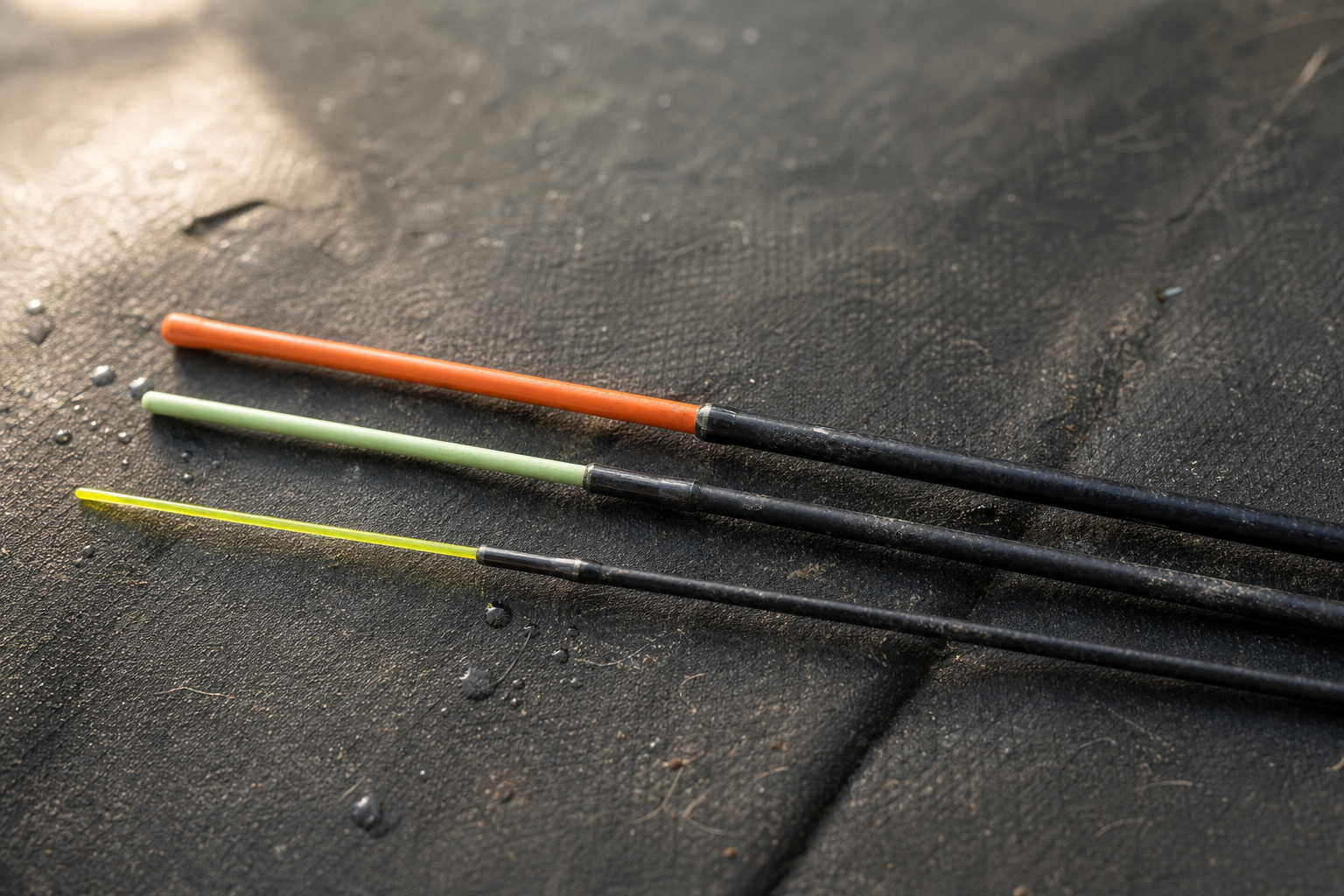
This is where many returning anglers feel uncertain, and understandably so. Modern rods often come supplied with two or three tips of different stiffness, and the choice between them makes a genuine difference to how confidently you can read bites.
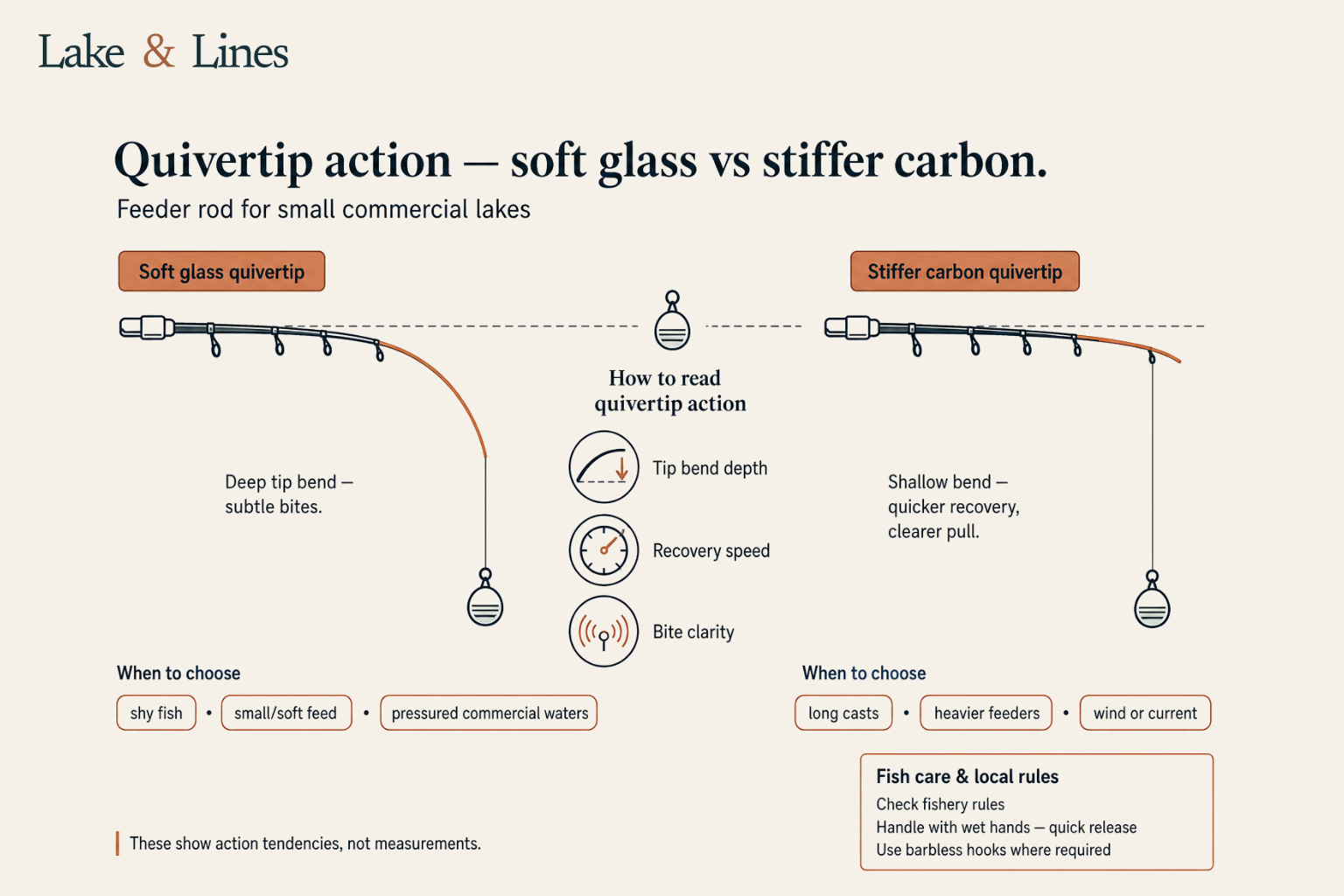
The practical rule is simple: start with the lightest tip that stays stable in the conditions, and step up only when wind movement or feeder weight demands it.
| Situation | Tip to use | Why it works |
|---|---|---|
| Close-range silvers in calm conditions | Lightest tip supplied (soft glass, around 1oz) | Maximum sensitivity to small bites; no wind to move it |
| General carp and F1 work at 20–30m | Medium tip (around 1.5–2oz) | Holds the feeder weight, registers confident carp bites |
| Windy day or heavier feeders | Stiffest tip supplied (2.5–3oz) | Stops false movement; still shows a proper bite clearly |
A false bite from a wind-pushed tip is frustrating and tiring over a full session. A tip that is too stiff will mask the delicate pull of a small roach or bream. The table above gives you three defaults that cover the realistic situations on a commercial without needing to think in precise ounce increments. Once the tip is holding steady and you can see movement that is clearly a fish, you have the right one.
Our Shortlist: Feeder Rods for Small Commercial Lakes
The four rods below cover budget to premium at realistic UK prices. Each one has been chosen for suitability on small commercial stillwaters rather than for distance fishing or match competition use. The selection logic is straightforward: one rod per price bracket, all available from UK retailers, all suited to the kind of mixed session on a day-ticket lake described throughout this article. This is a researched shortlist; the editorial notes explain what each rod does and where its limits are.
Budget Pick (Under £50): Shimano Alivio CX Light Feeder
The Shimano Alivio CX Light Feeder is an 11ft feeder rod with a casting weight up to 70g, supplied with two interchangeable tips. It is built on a heavier blank than rods costing twice as much, and you will feel that difference by the end of a long session. The action is forgiving, which suits anyone who is relearning their casting after time away from the bank. It will not punish minor timing errors in the way a faster, lighter rod can.
The hardware is functional: the rings are adequate for the fishing involved, and the reel seat is reliable. This is not a rod that will feel crisp or responsive compared to mid-range alternatives, but that is not its job. Its job is to land fish reliably while you refocus your fishing, and it does that well. If you fish two or three times a year and want to be on the water rather than worrying about equipment, this rod makes complete sense. It is also a rod you can replace without regret if you later decide to commit to regular sessions.
Check current price at your preferred UK tackle retailer.
Value All-Rounder (Around £50 to £60): Drennan Red Range Carp Method Feeder
The Drennan Red Range sits in a genuinely useful middle ground. It is a 10ft rod for feeders and bombs up to 45g, built on a lighter blank than the Alivio and supplied with 2oz and 4oz glass tips that cover both silverfish and carp work. Drennan's manufacturing is consistent, and the Red Range has a reputation for dependable action and a build quality that holds up across regular use.
The action is not especially refined compared to the brand's premium range, but the rod balances well in the hand and does not feel like a compromise on the bank. For a returning angler who wants to fish regularly through the season without spending significantly more, the Red Range offers good value. Drennan tackle is stocked widely across UK independents and the major online retailers, which matters if you ever need advice or a replacement part.
Check current price at your preferred UK tackle retailer.
Step-Up Commercial Pick (Around £80 to £100): Preston Innovations Monster X Carp Feeder
At this price point, rods start to be built and labelled specifically for commercial stillwater fishing rather than general feeder use. The Preston Innovations Monster X Carp Feeder is a good example, and the 10ft model suits small lakes well, from short casts on snake lakes to islands at around 30 to 35 metres. It has a forgiving through action with plenty of power in the lower half of the blank, a casting weight up to 40g and three quivertips (1oz, 1.5oz and 2oz), so one rod can cover silvers and carp in the same session. It is available through UK tackle shops and the major online retailers. Check exact specifications before purchasing, as product ranges at this level update reasonably regularly.
What the "commercial feeder" designation typically means in practice is a 10 to 11ft rod with a semi-through action, a casting weight in the 40 to 70g range and two to three tips that work across the full range of commercial tactics. The blank is meaningfully lighter and more responsive than budget options, and the tip selection tends to be better calibrated for the short to medium range work that defines small lake fishing.
This is often the most sensible price bracket for a returning angler who plans to fish more than a handful of times a year. The improvement in feel and sensitivity over a budget rod is noticeable from the first session, and the investment is proportionate to the use. Preston is an established UK brand with good retailer support.
Check current price at your preferred UK tackle retailer.
Premium Pick (Around £200 to £230): Drennan Acolyte Commercial Feeder
The Drennan Acolyte Commercial Feeder is built around a noticeably lighter, faster blank than anything in the price brackets above. It is designed specifically for commercial peg work: accurate short to medium range casting, sensitivity at close range and enough backbone to handle a decent carp without drama. The finish and hardware are of a clearly higher standard, and the rod balances well enough to hold comfortably for long periods.
What the extra money buys you, in honest terms, is a better quality casting experience and more immediate feedback through the blank when a fish picks up the bait. On a busy commercial, where you might be rebaiting every two minutes and reading subtle bites through a busy session, that feedback matters.
The caveat worth stating plainly: a light, fast rod like the Acolyte assumes consistent casting technique. If you are still finding your rhythm again after a long break from fishing, a slightly more forgiving action in the mid-range bracket may suit you better to start with. This is not a rod that will compensate for timing errors; it will amplify them. For someone fishing most weekends who wants the best available tool for small commercial work, it earns its price. For occasional sessions, it is over-specified.
Check current price at your preferred UK tackle retailer.
Choosing your price point
Strengths
- + Budget rods (under £50) are reliable starters and easy to replace without regret
- + Mid-range rods (£80–£130) reward regular sessions with noticeably better feel and lighter blanks
- + Premium rods (£200+) suit anglers fishing most weekends who want the best tool for the job
Limitations
- - A budget rod will feel heavier and less crisp than a mid-range equivalent after a full day
- - Premium rods assume competent casting; if you are still re-learning after a long break, a forgiving mid-range rod may suit you better to begin with
- - Some rods marketed as "commercial" are better suited to distance fishing; check the casting weight and intended use before buying
Pairing Your Rod: Reel and Line for Commercial Feeder Fishing
A 3000 to 4000 size fixed-spool reel is the practical default for the rods listed above. That size balances well on a 10 to 11ft feeder blank, holds enough line for the distances involved and retrieves quickly enough to keep pace with short-range sessions where you are rebaiting often. The detail on choosing a suitable reel, including drag settings and gear ratios, is covered in the guide to feeder fishing reels.
For mainline, 6 to 8lb monofilament is a sensible starting point on a small commercial. It handles the full range of commercial stocks without being overspecified for silverfish or underspecified when a double-figure carp picks up your feeder. Mono also pairs naturally with a feeder rod: the slight stretch in the line cushions the tip during the strike and protects lighter hooklengths.
Braid mainline is an option some anglers prefer on commercials, particularly for its sensitivity and low diameter. It changes the way the rod feels and how bites register, and it is worth being aware that some commercial fisheries do not permit braid. Check the individual venue's rules before the session rather than assuming it is allowed.
Rig and Setup: What to Put on the End
On a small commercial, the straightforward starting point for carp and F1 fishing is an inline or running method feeder with a short hooklength of around 4 to 6 inches. For silvers on a groundbait feeder, a longer, finer hooklength of 12 to 18 inches on a lighter hook pattern will give you more natural bait presentation. Full rig construction and hooklength material choices are covered in the method feeder setup guide.
The practical point to take away here is that the rod you choose will influence how you feel bites through these rigs. A lighter blank with a calibrated soft tip will show a small roach bite clearly; a heavy budget blank may mask the same movement. At close range on a small lake, that sensitivity is what separates a good session from a frustrating one.
Before You Fish: Licence and Fishery Rules
A valid rod licence is required for all freshwater fishing in England and Wales. It is issued by the Environment Agency and purchased through GOV.UK. Scotland has no rod licence (except in the Border Esk region, which needs the England and Wales licence), but you need permission from the owner of the fishing rights; Northern Ireland has its own rod licence and permit system. The rules described here apply to England and Wales only.
It is worth being clear on the distinction: a rod licence covers you as an angler across all legal waters. It does not give you permission to fish any specific lake. That permission comes separately, either through a day ticket purchased at the fishery, a club membership or a season permit. You need both before you fish.
Beyond the licence, individual fisheries operate their own rules. Common variables on UK commercials include keepnet restrictions (some venues ban them entirely or restrict their use to match days), requirements to use a landing mat for all fish, limits on certain bait types such as nuts or particles, and rules on braid mainline. Most commercial fisheries publish their rules on their website or display them at the gate. Reading them before you arrive saves an awkward conversation at the bankside. The full detail on licences and day tickets in England and Wales is in the fishing licence and day ticket guide.
Frequently asked questions
What rod length works best on small commercial lakes?
A 10 to 11ft feeder rod is the sensible default. It keeps line off the water on short casts, helps control sideways runs and suits most day-ticket pegs. Consider a 9 to 10ft rod only for very tight swims.
What casting weight should I look for?
Aim for a rod rated around 40 to 70g. That covers method feeders, small bombs and groundbait feeders without feeling under or over specified for short to medium range commercial work.
Which quivertip should I use in different conditions?
Start with the lightest tip that remains stable. Use a soft tip for calm close-range silvers, a medium tip for general carp and F1 work at 20 to 30m, and the stiffest tip when wind or heavier feeders cause false movement.
What reel and line pair well with these rods?
A 3000 to 4000 fixed-spool reel balances well on a 10 to 11ft feeder rod. Mainline of 6 to 8lb monofilament is a sensible default. Braid is an option for sensitivity but check fishery rules first.
Which rod should I buy for my budget and experience?
If you fish occasionally, a budget rod like the Shimano Alivio CX is fine. For regular sessions the Drennan Red Range or a mid-range commercial rod such as the Preston Monster X offers better feel. If you fish most weekends and have consistent casting, a premium rod such as the Drennan Acolyte rewards that investment.
Lake & Lines Editorial Team
Editorial team
The Lake & Lines editorial team brings together freshwater fishing guides and researched tackle advice, helping beginners and returning anglers prepare for better days by the water.