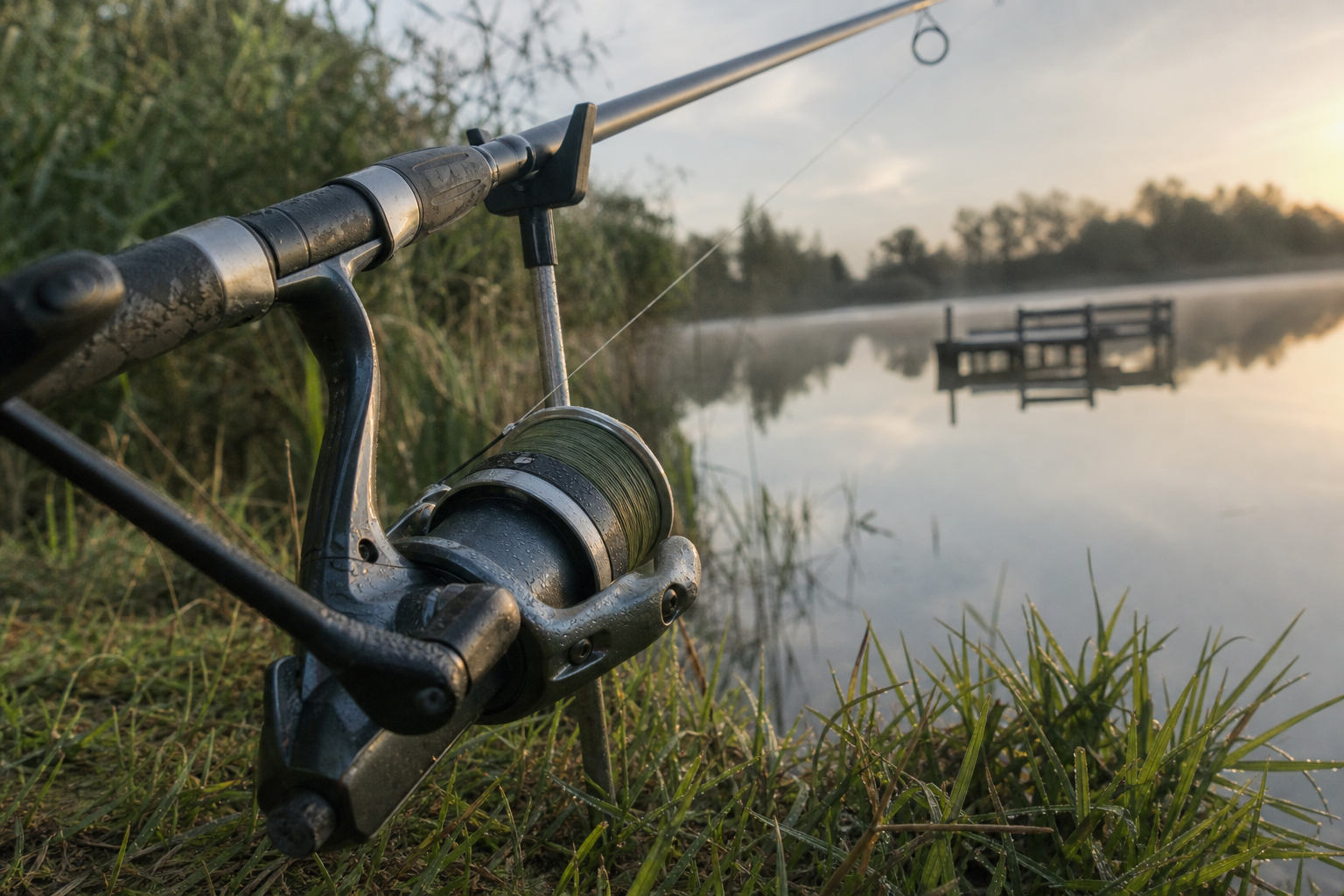
Reels for a First Feeder Fishing Setup
A 3000–4000 fixed-spool reel in the £50–£90 range is the ideal start for UK feeder anglers. Match reel size to rod length and distance for comfort and consistent casts.
If you're putting together a feeder or method feeder setup for a typical UK commercial lake, the reel decision is simpler than it might first appear. A fixed-spool reel in the 3000 to 4000 size range, bought in the £50 to £90 bracket, covers almost everything a returning or weekend angler needs. This article explains why that is, helps you match the right feeder reel size to your rod and the water you'll be fishing, and gives you a shortlist of specific options currently available from UK retailers. If you're wondering whether your existing float reel will do the job, that's worth a look too, and the answer is in here.
What Makes a Feeder Reel Different from a General-Purpose Reel
Feeder fishing is rhythmic and repetitive. You cast out a weighted rig, let it settle, wait for a bite, then wind in and cast again. Over a full session you might do that fifty times or more. That puts different demands on a reel than a float setup where the reel mostly just holds line.
What matters for a reel used in feeder fishing is a smooth, consistent drag that handles a sudden run without snatching, and a good, even line lay that lets you cast the same distance reliably throughout the session. Raw line capacity matters less than many anglers expect: on a typical UK commercial at 30 to 50 metres, a correctly loaded 4000-size reel holds far more line than you'll ever need.
Balance and weight matter too, and this is where a feeder-specific choice pays off. Unlike a carp angler who rests the rod on a pod and waits, a feeder angler holds the rod throughout the session, watching for the tip to move. A reel that's too heavy for the rod, or sits too far forward, will tire your wrist across a long afternoon. Getting the size right for your rod length is part of what makes a session comfortable.
Understanding Feeder Reel Size
Reel sizes can be confusing at first, partly because the numbers look technical, and partly because they're not applied consistently across manufacturers. Here's what they actually mean and how to use them.
What the size number actually means
The number on a reel, whether that's 3000, 4000 or 5000, broadly indicates the physical size of the reel: its spool diameter, line capacity and overall bulk. A higher number means a larger reel with a bigger spool, more line capacity and typically more weight. That's the simple version.
The complication is that these numbers are not standardised. A Daiwa 4000 and a Shimano 4000 are not necessarily the same size in practice. One manufacturer's 4000 might sit physically closer to another's 3500 or 4500. When you're choosing a reel to pair with a specific rod, it's worth checking the actual spool dimensions and line capacity in the product specifications rather than relying on the number alone. Most UK tackle retailers list these details, and they tell you more than the label does.
Which size suits a first feeder setup
The table below matches feeder reel size to rod length, typical fishing distance and venue type. Treat it as a guide rather than a rigid rule: there's overlap between the ranges, and your specific rod matters more than a general principle.
| Reel size | Rod length | Typical range | Best suited to |
|---|---|---|---|
| 3000 | 9–10ft | Up to 30m | Light method feeder, canals, smaller commercials |
| 4000 | 10–11ft | 30–50m | General feeder and method feeder on commercials and club waters |
| 5000–6000 | 11–13ft | 50m+ | Heavy cage feeders, large stillwaters, rivers |
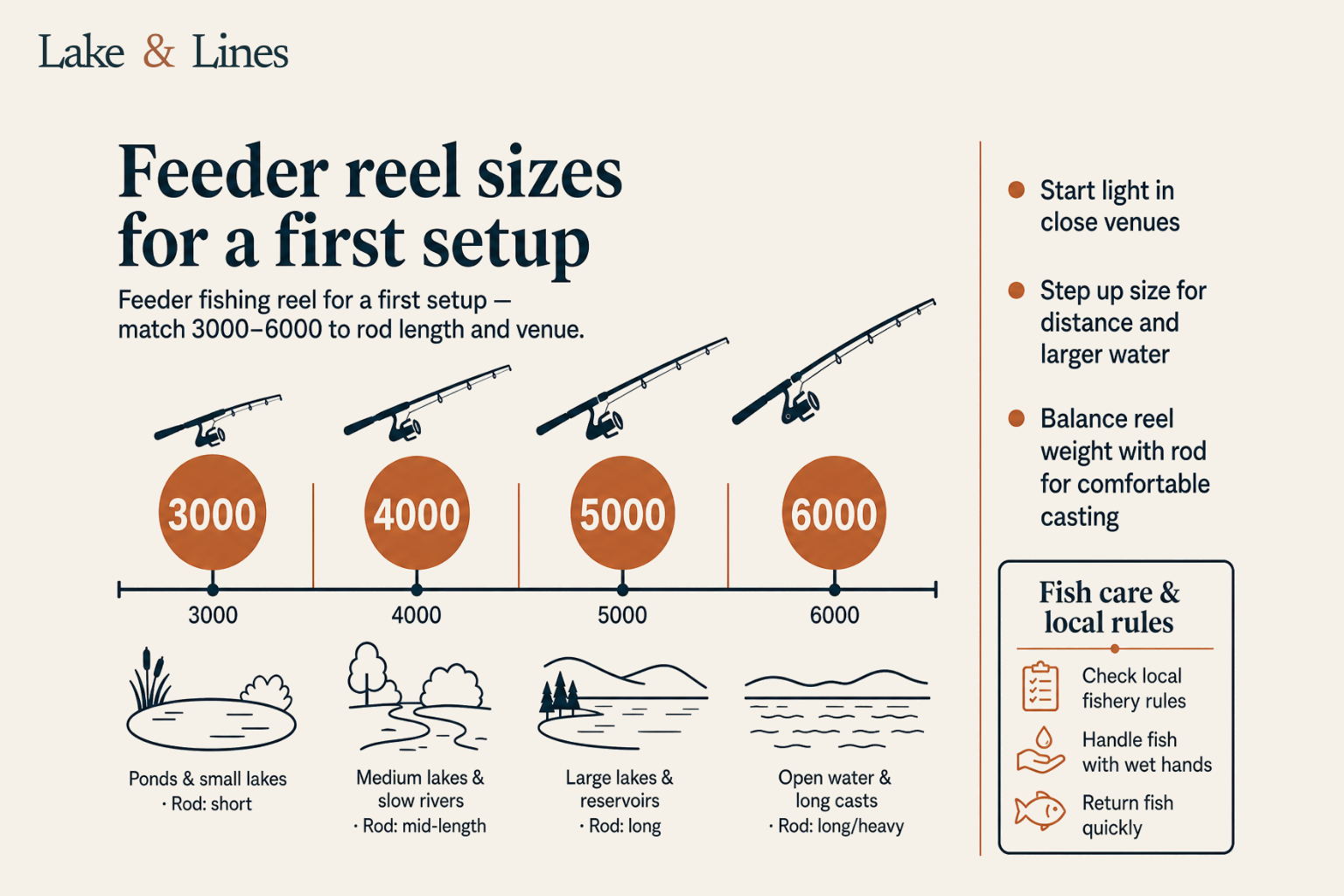
For most returning and weekend anglers fishing UK commercial stillwaters with a 10 to 11ft feeder rod, a 4000-size reel is the most versatile starting point. It handles the distances you'll realistically fish, balances well on the most common rod lengths, and gives you room to grow without being heavier or bulkier than the job requires. If you're pairing your reel with a rod you're yet to buy, the feeder rods guide covers compatibility in more detail.
Features Worth Knowing About Before You Buy
There are a handful of reel features that genuinely affect a first feeder setup decision. This section covers only those: it's not a full reel-mechanics primer, just the things that will affect what you buy or how you use it.
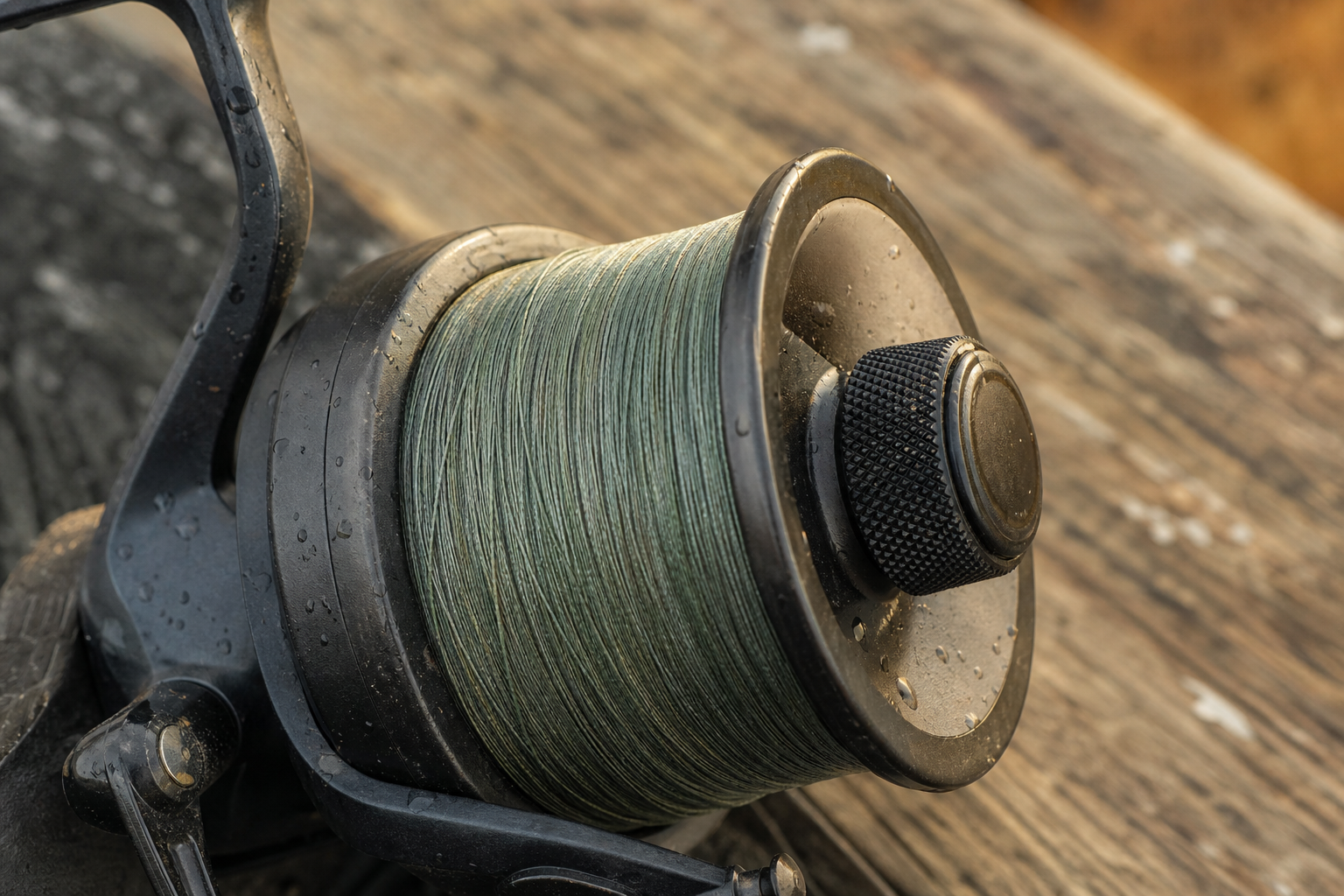
Drag systems
The drag is the mechanism that allows line to slip from the spool under pressure when a fish runs, rather than snapping your line or pulling the hook. Understanding the main types helps you choose the right one for a first setup.
Front drag is the most common type on feeder reels. There's a dial or knob on the front of the spool that you turn to tighten or loosen the drag setting. It's simple, reliable and easy to adjust when you're playing a fish. Most feeder reels in the £50 to £90 range use a front drag, and it's a good default for anyone starting out.
QD (quick-drag) is a variation found on some front-drag reels. It allows you to loosen the drag rapidly with a half-turn of the knob during a fight, giving a fish line quickly if it makes a strong run, then tighten it again. It's a useful feature but not essential for a first setup. If it's included at no extra cost, it's worth having.
Free-spool or baitrunner reels have a secondary drag system that holds the line at very low tension, so a fish can take line from the spool before you engage the main drag. This is most useful when fishing with the rod rested, targeting carp or barbel that pick up the bait and run powerfully before you can respond. For a first feeder setup on a typical commercial where you're holding the rod, a standard front-drag reel is simpler and easier to learn. Free-spool adds mechanical complexity that's not necessary for most method feeder and general feeder work.
Spool type and line lay
A correctly loaded spool casts further and more smoothly than one that's overfilled or underfilled. For most feeder fishing on UK commercials, 6 to 8lb monofilament or an appropriate braid on a 3000 to 4000 reel gives you more than enough capacity for the distances involved.
Most standard spools on reels in this size range are a good match for these line weights. Shallow-spool variants, where available, can improve casting with lighter lines, but for a first setup a standard spool loaded correctly does the job well. The detail of loading a spool properly, and how to match line weight to the method, is covered in the line guide rather than here.
Recommended Feeder Reels for a First UK Setup
The reels below are researched recommendations based on manufacturer specifications, retailer information and the standing of each product in UK angling press and tackle retail. They have not been hands-on tested by this site. Selection criteria are: suitability for returning and weekend anglers on UK commercial and club stillwaters; current availability from UK retailers; price within the £50 to £90 bracket, with one outlier included for larger-water fishing; and established brand support for spares and servicing.
Prices listed were checked at the time of writing and are approximate. Verify current pricing with the retailer before purchasing.
Drennan Vertex FD 4000
Best for: A first dedicated feeder reel for commercial stillwaters and general coarse venues with a 10 to 11ft rod.
Drennan is a well-established coarse fishing brand with a strong presence in UK tackle shops and good parts availability. The Vertex FD 4000 is pitched squarely at feeder and match fishing, which means it's designed with the repetitive casting rhythm of feeder work in mind rather than adapted from a general-purpose or sea fishing range. The 4000 size pairs naturally with the most common UK feeder rod lengths, and the front drag is smooth and straightforward to set up and adjust at the bankside. It's a sensible, unfussy starting point for a returning angler who wants a reel that fits the method rather than one that merely does the job.
- Reel size: 4000
- Approx. UK price: £59.99
- Limitation: Not designed for very long-range or heavy river work; line capacity becomes a limiting factor at distances much beyond 50 metres with heavier cage feeders.
Guru A-Class 3000
Best for: Short-range method feeder on smaller commercials and canals; combined float and feeder fishing with a shorter or lighter rod.
The Guru A-Class 3000 is lighter and more compact than a 4000, making it a natural match for 9 to 10ft rods and fishing at 20 to 30 metres. Guru markets it as suitable for both float and feeder fishing, which is a genuine advantage if you want one reel to cover both methods early on without spending on two separate setups. It's well-regarded in the UK coarse fishing press for its smooth retrieve and lightweight feel. If your sessions are mostly on smaller commercials or canals at close to medium range, this is a sensible, practical choice that won't hold you back.
- Reel size: 3000
- Approx. UK price: £54.99
- Limitation: Less suitable for mid to long-range feeder work, or for heavier cage and open-end feeders; if you regularly fish at 40 metres or beyond, step up to a 4000.
Daiwa Ninja LT 4000-C
Best for: All-round feeder and method fishing on commercials; a reliable mid-range option from a mainstream brand.
The Daiwa Ninja LT range is consistently recommended in UK angling press as a dependable mid-range workhorse, and the 4000-C sits at the practical centre of the range for feeder fishing. It offers a smooth retrieve, a well-regarded drag for its price point, and the reassurance that Daiwa's UK support network means parts and servicing are accessible. The LT designation refers to Daiwa's Light and Tough design philosophy, which keeps the reel noticeably lighter than older equivalents at this size. Note that the Ninja range has been updated in recent years and model naming has varied between seasons: confirm the current correct model designation with your retailer before purchasing, as a Ninja Match & Feeder variant has also been available at a slightly lower price point.
- Reel size: 4000-C
- Approx. UK price: around £89.99
- Limitation: Sits at the top of this article's stated budget range; not a specialist long-cast or distance reel, but well within the capability required for UK commercial and club water distances.
Daiwa 20 Ninja BR LT 5000-C
Best for: Method feeder fishing for carp on larger stillwaters or rivers, where a free-spool function is useful and more line capacity is needed.
The BR in the model name stands for Bite 'n' Run, Daiwa's name for its free-spool system (Shimano's equivalent is called Baitrunner). As explained in the features section above, this is most useful when fishing with a rested rod for carp or barbel that run strongly on the take, not a feature every feeder angler will use. The 5000 size gives meaningful extra line capacity and slightly more power for heavier feeders and longer casts on bigger venues. It's worth being clear about the trade-off: this reel is heavier and larger than the 3000 to 4000 options, and it would feel unbalanced on a short method feeder rod. If your fishing is predominantly on standard-sized commercials at 50 metres or less, you don't need to step up to this.
- Reel size: 5000-C
- Approx. UK price: approximately £85 to £93
- Limitation: Too large and heavy for light method feeder work on small commercials; the free-spool system adds controls that are unnecessary complexity for a first setup if you fish with the rod in hand.
Fox EOS 10000 FD
Best for: Weekend carp and method feeder anglers on larger open lakes who want one reel to cover feeder work and general carp fishing.
The size number here looks alarming at first glance, but Fox uses carp-scale reel sizing, which runs differently from mainstream coarse sizing. The EOS 10000 is broadly equivalent to a large coarse 5000 to 6000 in physical terms. Despite that, it sits within the same price bracket as the mid-range options listed here, and it offers strong line capacity and a sturdy front drag suited to fishing at longer range on bigger venues. The honest trade-off is this: it's designed with carp fishing in mind and the size and weight reflect that. Pair it with a shorter feeder rod and it'll feel front-heavy and cumbersome. It suits an angler who already knows they fish larger stillwaters and may use both a feeder and a more traditional carp rig in the same session, and who wants one reel to cover both.
- Reel size: 10000 (carp-scale sizing; broadly equivalent to a large coarse 5000 to 6000)
- Approx. UK price: £64.99
- Limitation: Size and weight suit 11ft-plus rods; not a sensible pairing with a compact 9 to 10ft method feeder rod, and more reel than most returning anglers fishing standard commercials will need.
Matching Your Reel to Your Rod and Venue
The simplest rule for most returning anglers
If you fish commercial stillwaters with a 10–11ft feeder rod at distances up to around 50 metres, start with a 4000-size reel. It covers most situations without overpowering lighter rods or running short on line capacity.
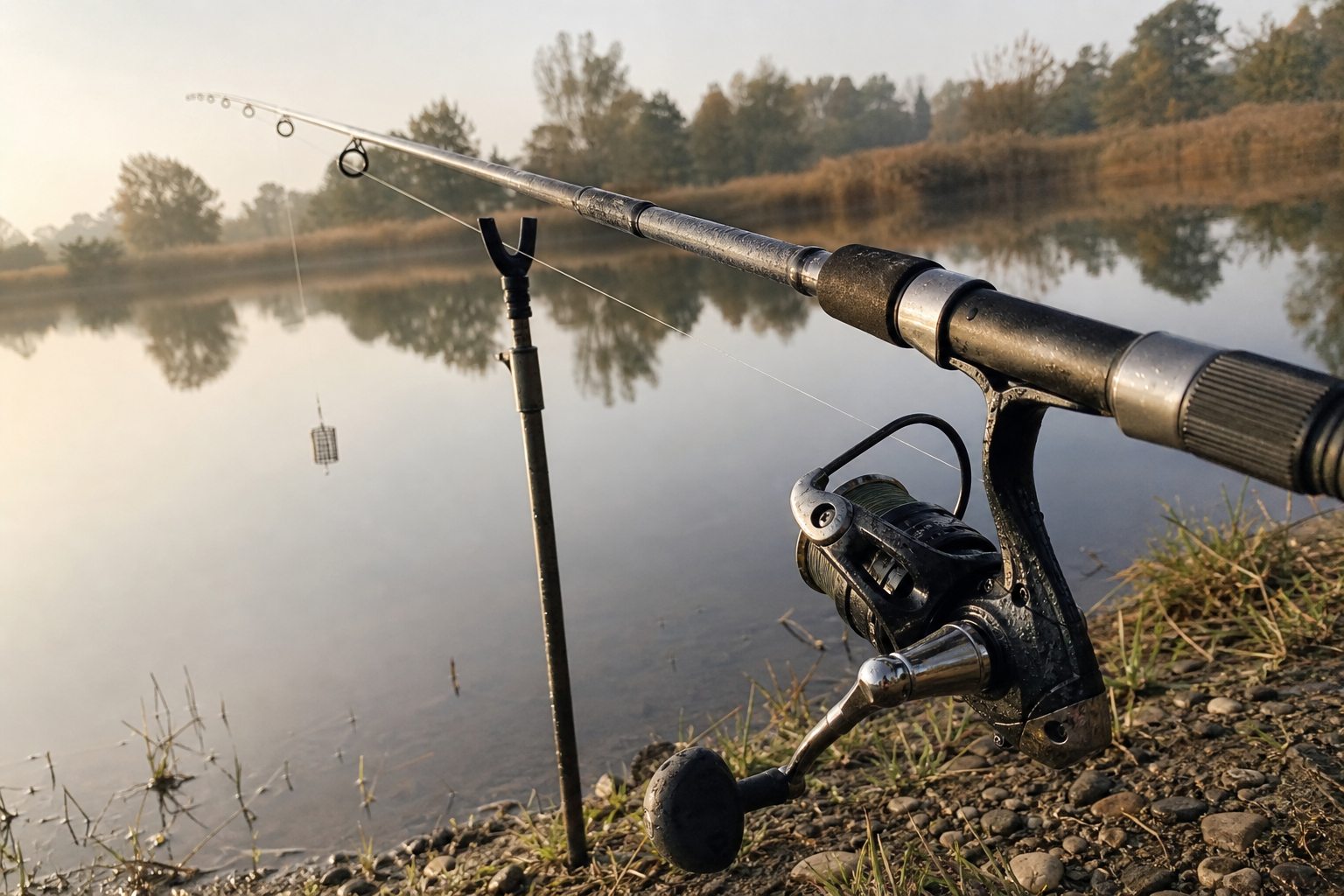
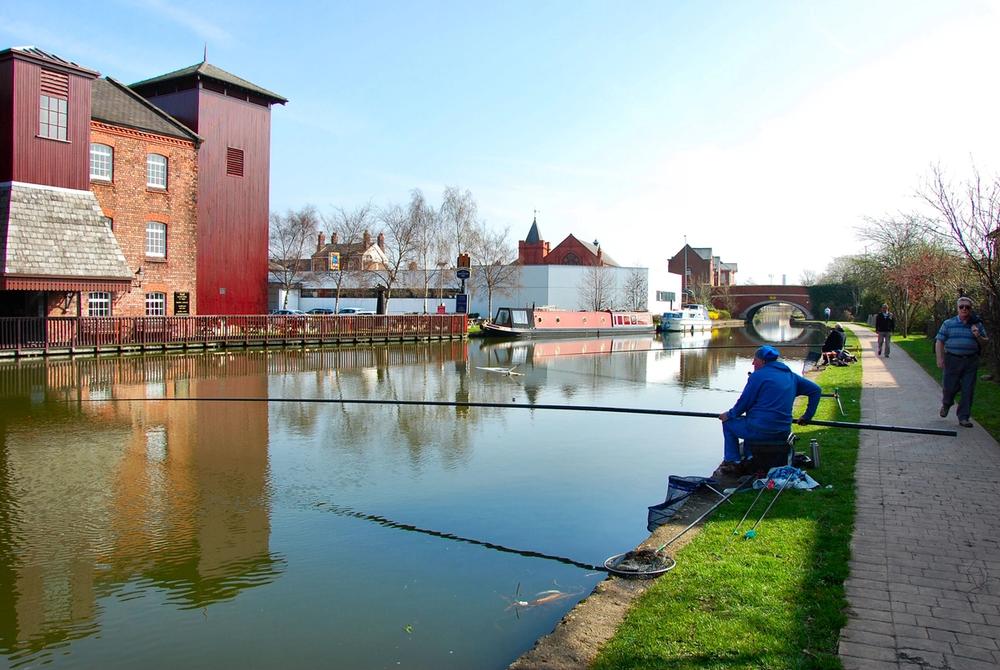
If you're fishing a 9 to 10ft method feeder rod at close range on a smaller commercial, a 3000 or light 4000 is the right call. The reel stays proportionate to the rod, the combination feels balanced in the hand, and you're not carrying unnecessary weight across a session. This is the setup that suits canals, small day-ticket waters and any venue where you're fishing at 20 to 30 metres or less.
For a 10 to 11ft general feeder rod on a commercial or club water at 30 to 50 metres, the 4000 is the default. It's the size the majority of UK feeder anglers use, it pairs naturally with the most common rod lengths, and it covers most of the fish and distances you'll encounter without being over-engineered for the job. When in doubt, start here.
If you're fishing an 11 to 13ft rod on a river or a large stillwater with heavier cage feeders and longer casting distances, step up to a 5000 to 6000 or an equivalent large coarse size. The extra capacity and power matter at those distances, and the heavier rod handles the additional reel weight without feeling unbalanced.
Before your first session, load the reel correctly and make sure the line weight matches the method. An overfilled or underfilled spool casts poorly and retrieves unevenly, and it's one of the most common avoidable problems on a new setup. The line guide covers loading in practical detail and explains how to choose between monofilament and braid for feeder fishing.
Line, Hooklengths and Fish Welfare
A reel recommendation isn't complete without a word on line, because the two decisions are connected. For feeder fishing mainline on UK commercials, 6 to 8lb monofilament is the standard range. It casts well on a 3000 to 4000 reel, handles the weight of typical method and cage feeders, and is forgiving enough for a returning angler getting used to a new setup. Braid offers better bite detection at longer range because it has almost no stretch, but it requires more attention to knot choice and leader setup, and it's not the easier starting point.
The hooklength is the short length of line between your swivel or feeder link and the hook. It should always be of a lower breaking strain than your mainline. The reason is straightforward and worth understanding: if a fish becomes snagged and you cannot free it, the hooklength will give way before the mainline does. That means the fish breaks free with only the hook and a short length of line attached, rather than towing a full feeder and a long trail of mainline. Keeping the hooklength weaker than the mainline is national best-practice guidance for coarse fishing in the UK, and it's a sensible part of any responsible setup regardless of venue or target species.
Monofilament hooklengths in the 3 to 6lb range are appropriate for most commercial feeder fishing. Match the breaking strain to the fish you expect and the hook size you're using, not to the length of the fight you'd like to have.
Premium Reels to Grow Into (Not Needed for a First Setup)
Once your feeder fishing is established and you have a clear sense of the distances you fish, the rod you prefer and the venues you return to, there's a tier of reels worth knowing about for the future.
Reels such as the Daiwa Tournament QD range, the Daiwa TDR Distance models and the Shimano Aero XR C3000 are designed for match anglers and distance specialists. They typically sit in the £150 to £250-plus bracket and offer refined long-cast spools, ultra-smooth drag systems and engineering tolerances that make a measurable difference at competition level or at distances beyond 60 metres. They're not over-engineered vanity purchases at that level of fishing: they genuinely perform differently to a mid-range reel when conditions demand it.
What they are not is a necessary upgrade for a returning angler fishing commercial stillwaters at 30 to 50 metres. The reels in the shortlist above are not a compromise or a second-best option. They are sensible, well-matched choices for the fishing most UK pleasure and weekend anglers actually do. A £60 to £90 reel fished with the right line on a well-matched rod will catch just as many fish as a £200 reel used in the same situation. When the fishing itself makes a case for something more refined, you'll know, and that's the right time to look at the next tier.
Frequently asked questions
What size reel should I buy for a first feeder setup?
For most UK commercial stillwaters with a 10–11ft feeder rod, a 4000-size fixed-spool reel is the best starting point. Use a 3000 for 9–10ft rods and short-range work, and step up to 5000–6000 for 11ft+ rods and long-range or heavy feeder fishing.
Can I use my existing float reel as a feeder reel?
Possibly. If the float reel is in the 3000–4000 range, has a smooth front drag and even line lay, it will work. Check spool capacity and balance on your rod; feeder reels are optimised for repeat casting and holding the rod for long sessions.
Do I need a baitrunner or free-spool system for my first setup?
No. For a first feeder setup where you hold the rod, a standard front-drag reel is simpler and more than adequate. Baitrunner systems help when the rod is rested and targeting carp, but they add complexity you do not need at the start.
What line and hooklength strengths should I use with a new feeder reel?
Mainline of 6–8lb monofilament is the typical starting point on UK commercials. Hooklengths should be weaker than the mainline, generally 3–6lb, so the hooklength breaks before the mainline if a fish becomes snagged.
How much should I budget for a feeder fishing reel for a first setup?
A sensible budget is £50–£90. That will buy a reliable fixed-spool reel in the 3000–4000 range from established brands. Higher-end distance reels are useful later but are not necessary for typical commercial work.
Lake & Lines Editorial Team
Editorial team
The Lake & Lines editorial team brings together freshwater fishing guides and researched tackle advice, helping beginners and returning anglers prepare for better days by the water.