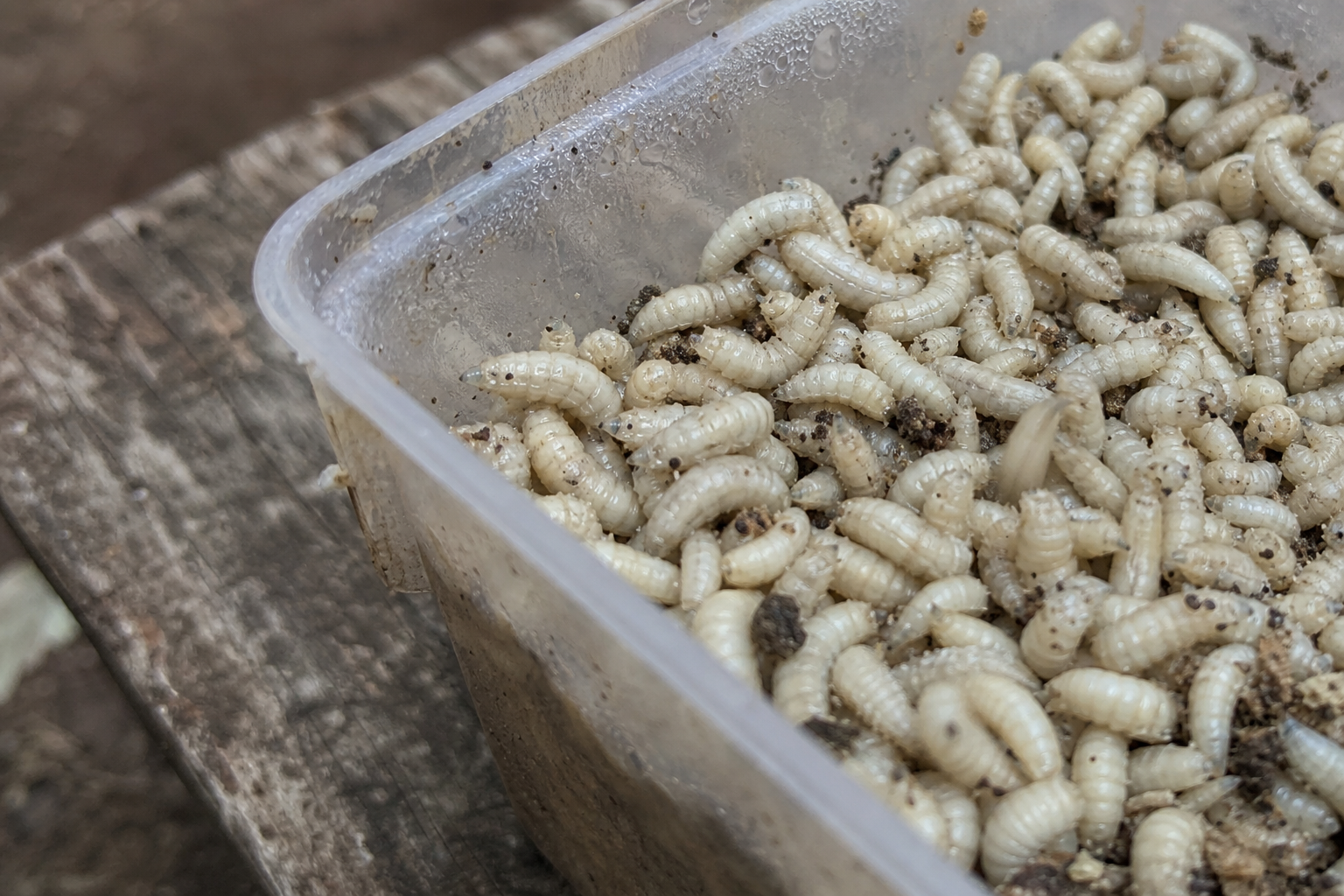
Using Maggots and Worms for Coarse Fishing
Clear, practical guidance on using maggots and worms for UK coarse fishing, covering bait choice, hooking, feeding, storage and rules to keep your sessions productive.
At a Glance
- Maggots and worms are versatile, widely available baits that catch most UK coarse species across stillwaters, canals and rivers.
- Choose maggot colours by venue and species; white is the default while reds and bronze suit specific conditions.
- Use dendrobaenas for everyday worm use; lobworms and brandlings serve larger fish or scented attraction.
- Store maggots cool in dry bedding and keep worms cool and moist but not waterlogged; remove dead bait promptly.
- Always check national close season rules and individual fishery regulations and avoid disposing bait into the water.
If you are heading out for your first or second session and wondering what to put on the hook, maggots and worms are the most practical starting point in UK coarse fishing. Between them, they will catch nearly every common species you are likely to encounter, on stillwaters, canals and rivers alike. They are inexpensive, straightforward to use and available from most tackle shops. Get comfortable with these two baits and you will have a solid foundation for everything else.
Why Maggots and Worms Are the Right Starting Point
Experienced anglers still reach for maggots and worms regularly, not because they lack alternatives but because these baits are genuinely effective across a wide range of conditions. They work when presentation is less than perfect, which makes them forgiving for anyone still finding their feet. They are also the baits that teach you the most: how to feed a swim (the area of water directly in front of you), how to read a bite and how to adjust when fish are being cautious. Every other bait in coarse fishing builds on those skills.
What species will take them
Roach, rudd, bream, perch, tench, chub, barbel and carp will all take maggots given the right presentation. Worms draw a broadly similar list, with perch, tench, chub and eels responding particularly well to them. If you are fishing a water you have never visited before and you are not sure what species are present, having both baits available gives you plenty of options.
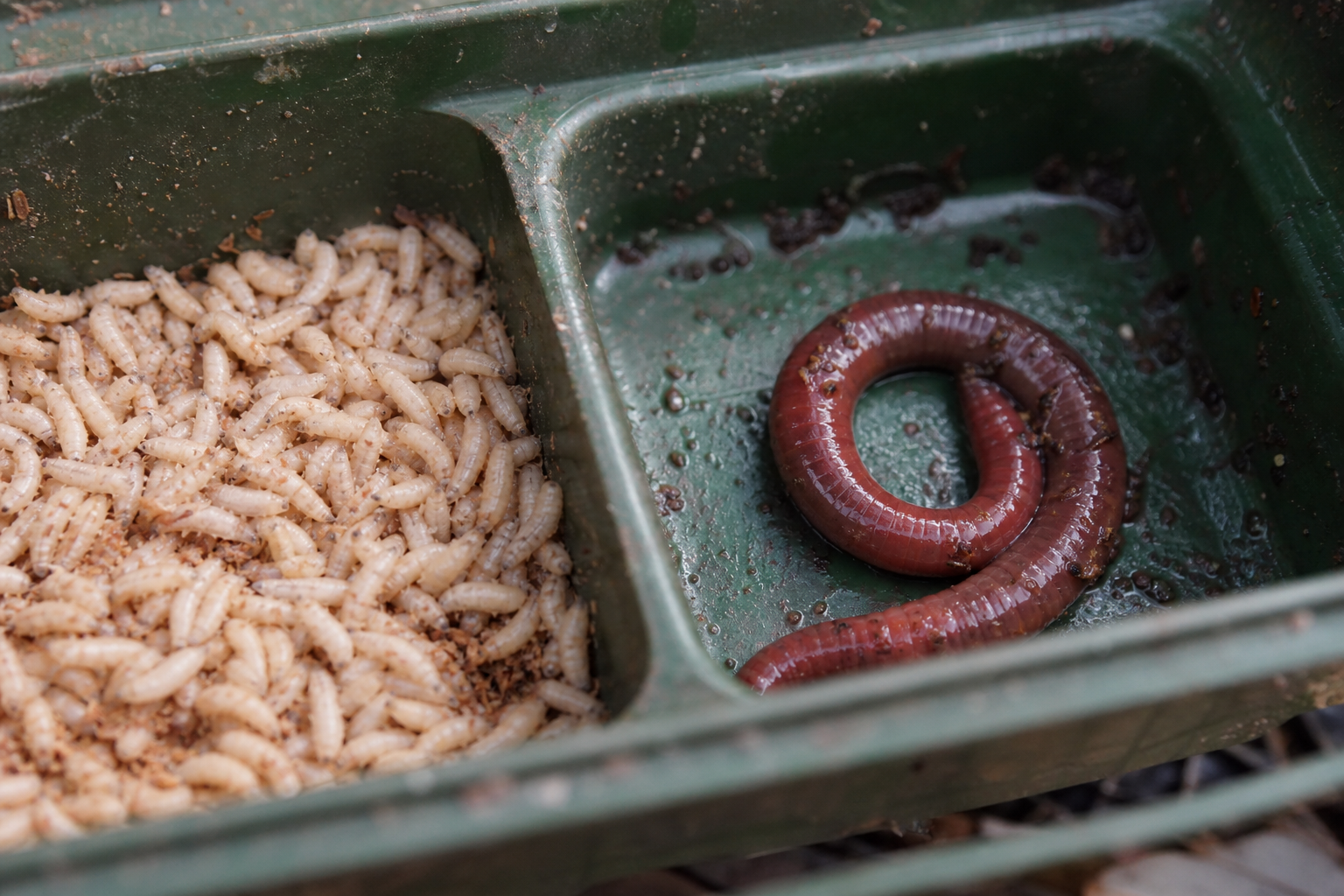
Choosing and Using Maggots
Maggot types and colours
The maggots sold in tackle shops are the larvae of blowflies, and they come in several colours. White is the most common and a reliable default for general coarse fishing. Red maggots (often simply called "reds") add visual contrast and can work well for perch or in coloured water where fish are locating bait by sight. Bronze maggots, sometimes described as "tanned", are a popular choice on cleaner, clearer venues, particularly for roach.
Pinkies and squats are smaller varieties. Pinkies are sometimes used as hookbait in match fishing, but for everyday pleasure fishing they are more useful as a feeder or groundbait additive. Squats are even smaller and are used mainly as a groundbait filler rather than on the hook. Neither is a typical starting point for a beginner's hookbait.
| Colour | Best for | Worth knowing |
|---|---|---|
| White | All-round use, most species | A reliable default for first sessions |
| Red | Perch, coloured water | Adds visual contrast; often sold as "reds" |
| Bronze | Roach on clear venues | Sometimes called "tanned" or "bronze" |
| Pinkies | Feeder and groundbait mix | Smaller; less common on the hook for beginners |
| Squats | Groundbait filler | Very small; not a hookbait |
How to hook a maggot
A maggot has a blunt end and a pointed end. Hook it through the blunt end, picking up just a small amount of skin so the maggot stays on the hook but continues to wriggle. Use a sharp hook. A blunt point will burst the maggot rather than pierce it cleanly, and a burst maggot sits dead on the hook and catches nothing. If your hook feels rough or has lost its point, change it.
For cautious fish or when bites are hard to come by, a single maggot on a size 16 or 18 hook is often the right choice. For bolder feeders, two or three maggots on the hook create a more visible offering and can bring a faster response. When you are using a bunch of maggots, move to a slightly larger hook so they sit naturally without being compressed. Match the hook to the bait, not the other way around.
Feeding maggots into the swim
Loose feeding means scattering maggots into the water to attract fish and encourage them to feed. The approach that works most consistently is little and often: a small amount every few minutes rather than a large opening feed. A big early introduction can fill fish quickly and actually slow your biting rate down. Catapult maggots to your float for longer distances, or introduce them by hand or pole cup when fishing closer in. Maggots can also be loaded into an open-end feeder, which releases them slowly on the bottom and keeps fish feeding around your hookbait throughout the session.
Choosing and Using Worms
Which worms to use
Three types of worm come up most often in coarse fishing. Lobworms are large earthworms, typically dug from a lawn in damp conditions, especially after rain. They are a good choice when targeting bigger fish such as large perch, chub or tench, and a whole lobworm on a big hook is a hard presentation to ignore. Brandlings are found in compost heaps and have a distinctive yellowish banding. They produce a strong scent when broken, which can be an advantage when you want to attract fish over a wider area.
Dendrobaenas are the most practical everyday option for most anglers. They are sold in tubs at tackle shops, consistently lively, and a useful size for a wide range of presentations. Because you do not need to go digging before a session, they remove one variable. If you are buying worms for the first time, start with dendrobaenas.
How to hook a worm
There are a few approaches depending on how you want the worm to behave on the hook.
The most common method is to hook once through the collar (also called the saddle, the thicker band around the worm's body). This leaves the worm hanging freely on the hook and wriggling, which is exactly what attracts perch and chub under a float. It is the most natural presentation for a whole worm.
When fish are taking the ends of the worm rather than the collar, thread part of the worm up the hook shank and leave a short tail to move. This keeps the active end visible and can improve your hooking rate when bites are tentative.
A third option is to cut the worm into sections and use a smaller piece on a smaller hook. Roach and rudd in particular will take a worm section when they are ignoring whole worms, and it suits situations where smaller fish are the target.
The combination of worm and maggot is worth knowing about early on.
Worm and maggot combo
Thread a small section of worm onto the hook, then add a single maggot over the point. The maggot stays visible while the worm wriggles. It is a useful variation when perch or chub are present but not responding to maggots alone.
Keeping Maggots and Worms in Good Condition
One of the most common frustrations for anglers early on is arriving at the water with bait that has died, turned to casters or escaped from a poorly sealed container. A little care between the tackle shop and the waterside makes a real difference.
Storing maggots at home
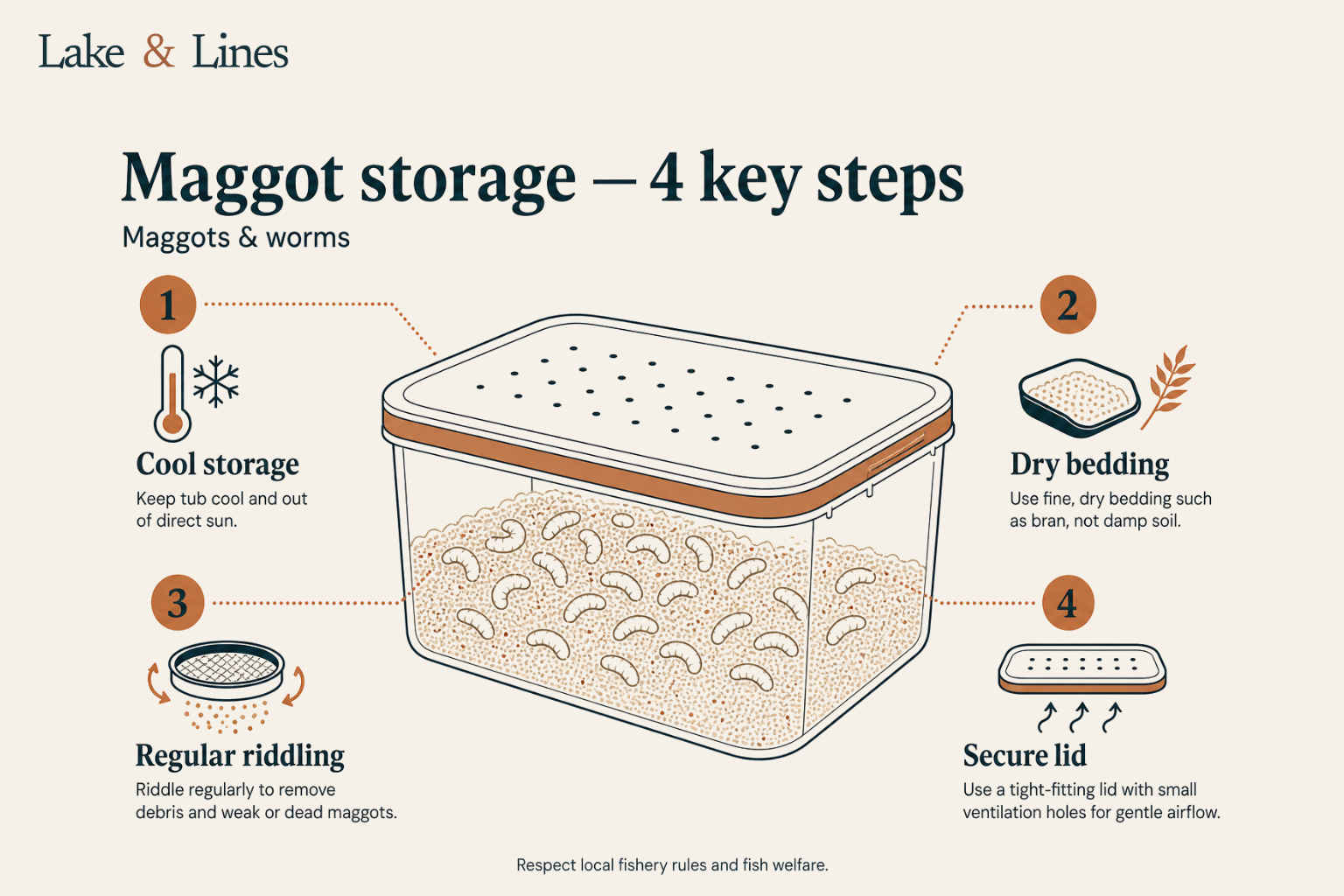
The key principles for maggot storage are: cool, dry and secure. Keep maggots in a cool bag or a small dedicated fridge, away from food. A temperature of around 5 to 8 degrees Celsius (a domestic fridge set to its usual temperature) slows their development and keeps them lively for longer. If maggots are stored somewhere too warm, they will quickly turn to casters and then to flies.
Use dry bedding: sawdust, maize meal or bran are all suitable. The bedding absorbs moisture and keeps the maggots in good condition. Every day or two, riddle the maggots. A riddle is a fine-mesh sieve: shake the maggots through it to separate them from waste, frass and any that have died, then transfer them to fresh bedding. Remove dead maggots promptly because they will contaminate the rest.
Use a container with a perforated lid to allow airflow while preventing escape. Maggots are surprisingly good at finding gaps, so check the seal before putting the box in the fridge.
Keeping worms alive between sessions
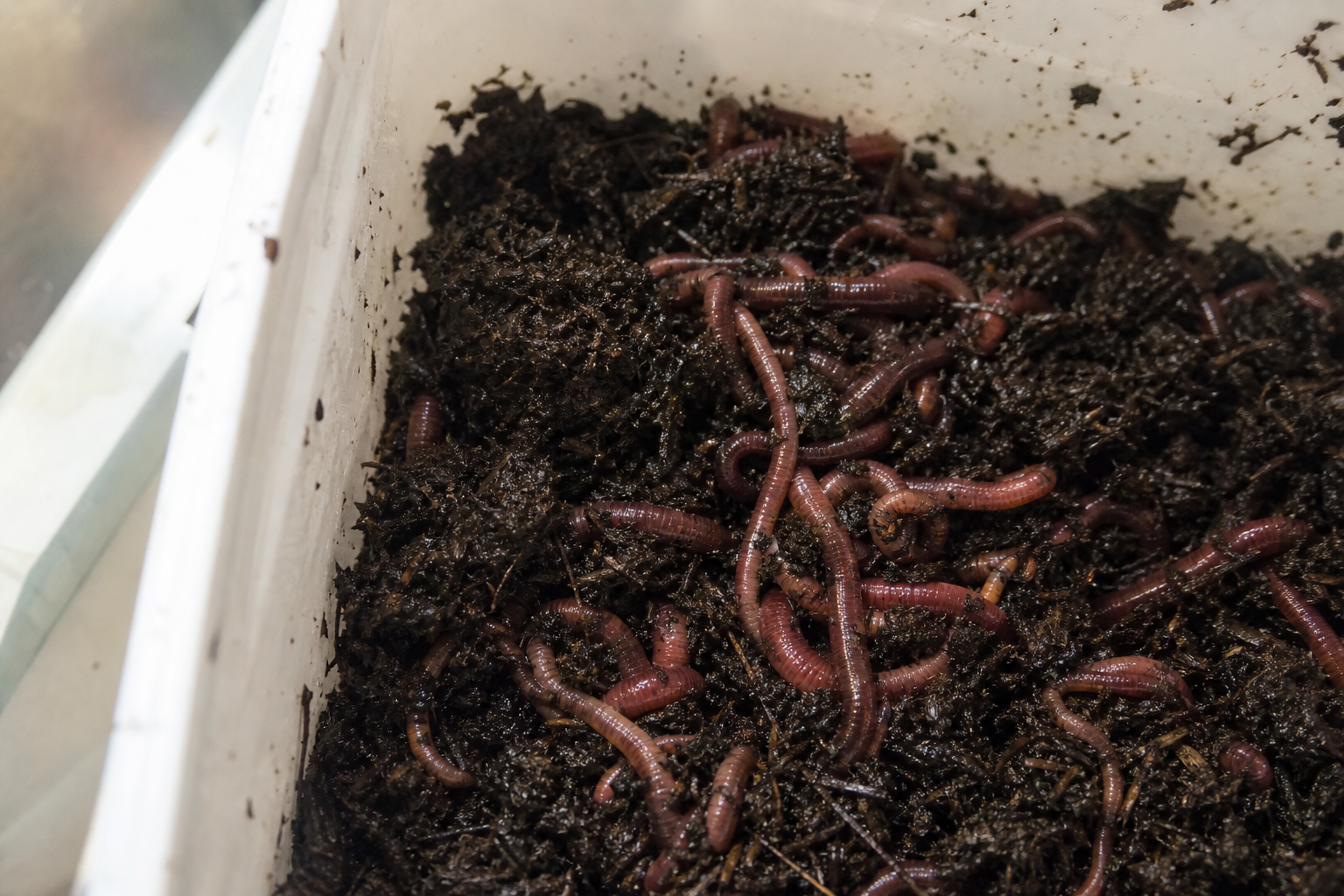
Shop-bought dendrobaenas usually come in damp peat or compost. This bedding can be refreshed and reused: if it dries out, add a small amount of water and mix it through gently. If you have dug lobworms from the garden, store them in a container of damp soil or leaf litter, kept somewhere cool and shaded.
The shared rule for all worm storage is cool, moist but never waterlogged. Worms in standing water will drown. Check the container every day and remove any dead worms before they break down and affect the rest. A handful of dead worms left in a tub overnight can make the whole batch unusable.
Checking bait before you go
Give maggots and worms a quick look the evening before a session. Remove any that have died, refresh the bedding if it smells strongly, and make sure the container is secure. Five minutes the night before saves frustration at the waterside.
Bait Rules and Fishery Restrictions
Maggots and worms are among the most widely permitted baits in UK coarse fishing, but rules do vary and it is always worth checking before you arrive at a water.
National rules in England and Wales: The coarse close season runs from 15 March to 15 June on rivers. Maggots and worms are generally permitted as hookbait on stillwaters throughout the year. That said, regional byelaws can add restrictions, for example banning the use of maggots or certain groundbaits on specific stretches of river or during particular periods. If you are fishing a river, especially one you have not visited before, check the Environment Agency's rod fishing byelaws for your region in England, or the Natural Resources Wales angling byelaws in Wales.
Individual fishery rules: Commercial stillwaters, club waters and day-ticket venues often set their own bait rules, which sit alongside national and regional regulations. These can include limits on the quantity of maggots allowed in a feeder, restrictions on certain types of groundbait, or bans on specialist baits such as bloodworm and joker (small larvae used mainly in match fishing). Fishery rules are usually displayed at the entrance or published on the venue's website. Check before you arrive rather than after.
Livebait: Using small fish as livebait is a separate subject governed by its own national and local rules. It has no bearing on the use of maggots or worms, but it is worth knowing that those rules exist if you plan to fish for pike or other predators in future.
Always check the fishery rules
Maggots and worms are legal on most UK coarse waters, but individual fisheries can restrict the quantity, type or method of use. Rules are usually displayed at the entrance or on the fishery's website. If you are unsure, ask at the fishing lodge or contact the fishery before you visit.
One further point worth noting is biosecurity. At the end of a session, do not tip leftover maggots or worms into the water. Take unused bait home or dispose of it in a bin. This is good practice regardless of whether a particular fishery makes it a formal rule.
Where to Buy Maggots and Worms
Most tackle shops stock both maggots and worms. Maggots are sold by the pint and a pint is typically enough for a half-day pleasure session for a beginner. Dendrobaenas are sold in small tubs and keep well for several days with the storage care described above.
Bait vending machines are a growing option at some fisheries and in certain areas, providing access outside tackle shop opening hours. They vary in what they stock, but many carry maggots and worms alongside other essentials. Your local tackle shop remains the most useful starting point, not just for bait but for advice on what is working on nearby waters right now. That kind of local knowledge is difficult to get anywhere else.
Frequently asked questions
Are maggots and worms legal to use on UK coarse fisheries?
They are permitted on most stillwaters and many rivers outside the close season, but local byelaws and individual fishery rules can add restrictions. Check signage or the venue website before you fish.
How should I store maggots and worms before a session?
Store maggots cool in dry bedding at around 5 to 8°C, riddle them regularly and use a ventilated container. Keep worms cool and moist in peat or damp soil but not waterlogged and remove any dead bait daily.
Which hook size and presentation work best for maggots?
Use size 16 or 18 for a single maggot on cautious fish and move to larger hooks for two or three maggots. Pierce the blunt end with a sharp hook so the maggot wriggles rather than bursts.
What worm type should a beginner buy?
Dendrobaenas are the most practical everyday option. They are lively, sold in tubs, and suit a wide range of presentations without needing to dig for bait.
When should I combine maggots and worms?
Try a small worm section threaded on the hook with a single maggot over the point when perch or chub are present but not responding to maggots alone. The combo adds scent and visible movement.

Lake & Lines Editorial Team
Editorial team
The Lake & Lines editorial team brings together freshwater fishing guides and researched tackle advice, helping beginners and returning anglers prepare for better days by the water.