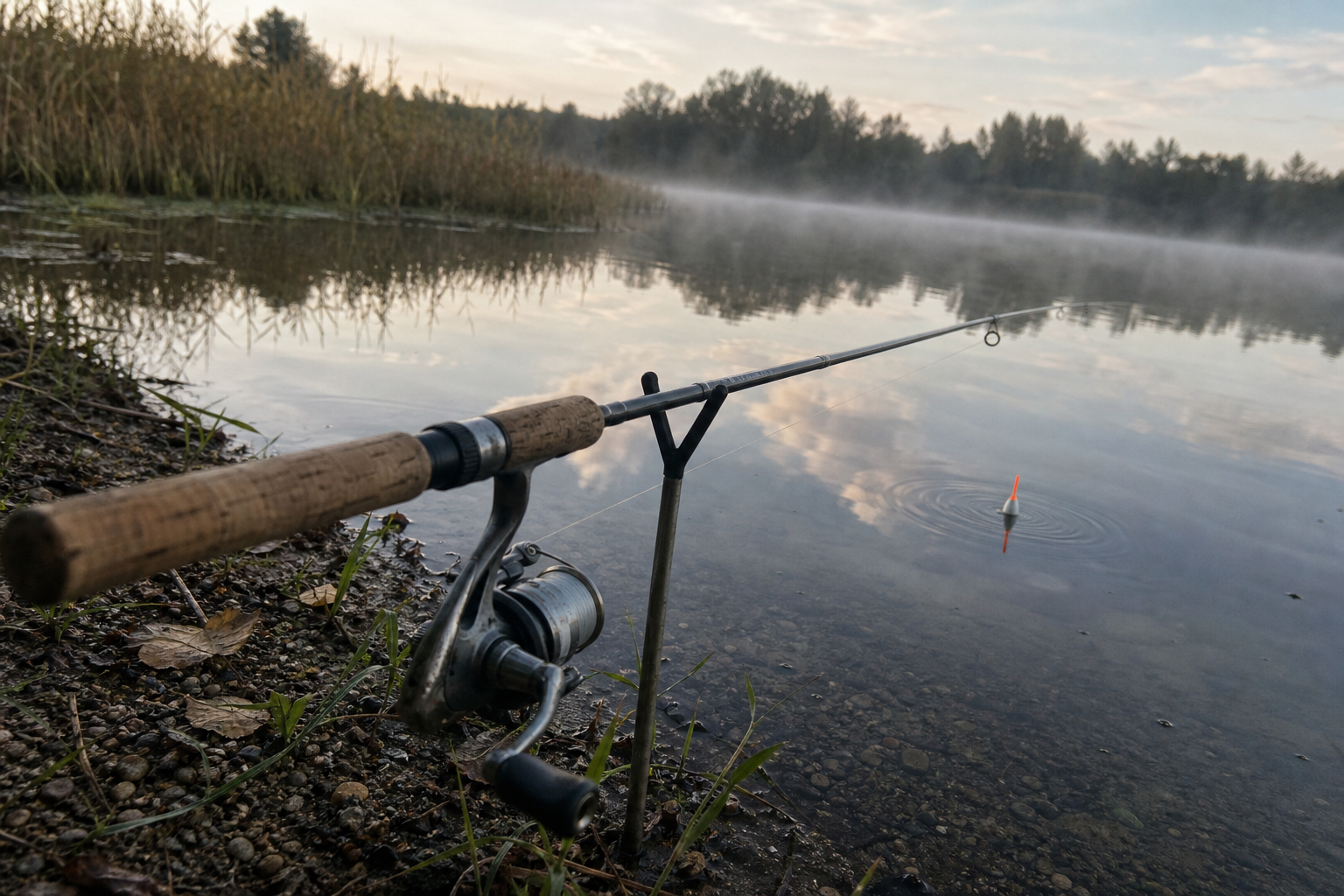
Best Float Rods for Beginners: Choosing Your First Rod for UK Stillwaters
Practical guidance to choose the best float rod for beginners in the UK. Focus on 12 ft rods, through action, light to medium power and sensible budgets for a confident first purchase.
If you want to start float fishing and you are trying to work out which rod to buy first, the range of options can look more confusing than it needs to be. Different lengths, different labels, price points from £30 to £200 and an assortment of rod names that do not explain themselves. The good news is that for most UK beginners the decision comes down to a fairly short list of practical questions: where are you likely to fish, what species are you targeting, and how much do you want to spend?
This article covers what to look for in your first float fishing rod, which lengths suit which venue types, and a shortlist of well-regarded options currently available from mainstream UK retailers in 2025 and 2026. The aim is to give you enough information to make a confident purchase without needing to research further.
What to look for in your first float rod
Before looking at specific rods, it helps to understand the handful of factors that actually matter for a first float rod. Most of the complexity you encounter in tackle shops and online listings comes down to a few key specifications.
Rod length and your venue
Length is the most important decision, and for most UK beginners the answer is straightforward: start with a 12 ft float rod.
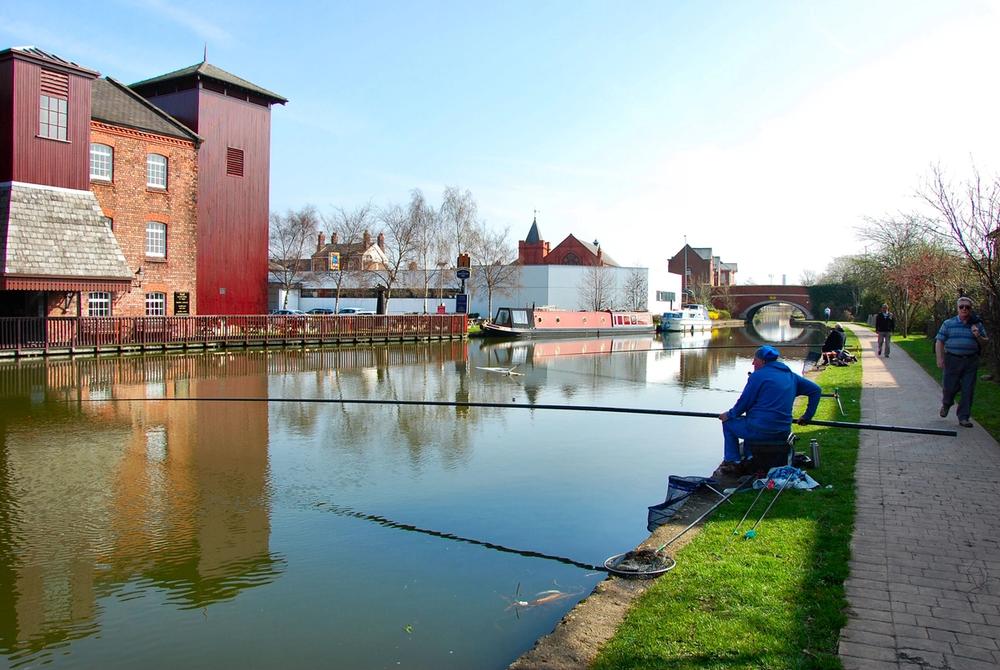
A 12 ft rod gives you enough casting range to reach fish at sensible distances on stillwaters, canals and commercial fisheries without being unwieldy on a typical peg. It handles wagglers and lighter float rigs comfortably, gives you good line control between the rod tip and the float, and it is versatile enough to cover the range of waters a new angler is likely to fish in their first season.
10 to 11 ft pellet waggler rods are a genuine alternative for small commercial stillwaters where most of your fishing will be at short range, say 15 to 25 metres. They are a little quicker to pick up and cast repeatedly, and the shorter length can feel less tiring on a tight peg. However, they are a more specialised tool, and if you are not yet certain where you will be fishing most, they are better considered as a second rod rather than a first.
13 ft float rods come into their own on rivers and larger natural lakes, where the extra length helps you mend the line in moving water and manage float presentation over a wider area. For most beginners starting on commercial stillwaters or canals, this is not a length to worry about yet.
The default recommendation is a 12 ft rod. It will not limit you, and it will cover the vast majority of situations you are likely to encounter in your first season.
Action and power
A rod's "action" describes how and where it bends when it is under load. For a first float rod, you want a through action: the blank bends progressively from the tip towards the butt rather than flexing only in the top third.
In practical terms, a through action is forgiving. When a fish pulls against light hooklengths (the short length of thinner line between your main line and the hook), a through-action rod absorbs the pressure across its full length rather than transmitting a sharp shock. That matters because float fishing for roach, skimmer bream, smaller tench and modest carp typically involves finer hooks and lighter lines than, say, carp fishing with a bolt rig.
Light to medium power is the right choice for most beginner venues and species. Heavier power rods are stiffer and better suited to forcing larger fish away from snags, but for general stillwater and canal float fishing they are unnecessarily rigid and tiring to use with light floats.
Handle, weight and comfort
Float fishing is an active style of fishing. You hold the rod, strike at bites, retrieve and recast throughout the session. Unlike ledger fishing, where the rod can sit in a rest while you wait for a bite indicator to move, float fishing puts the rod in your hand for most of the time you are on the bank.
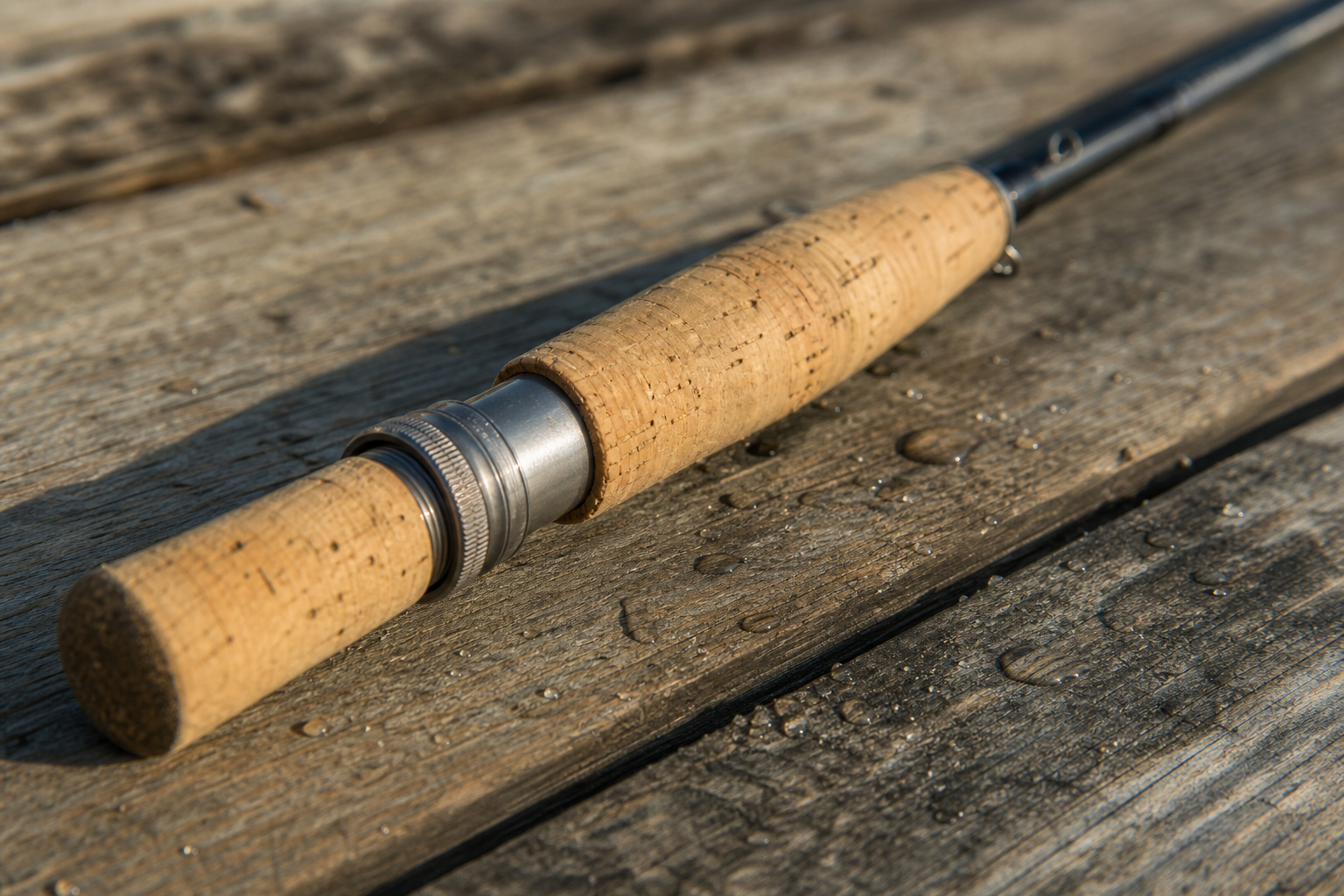
Rod weight therefore matters more here than in many other styles. A rod that feels fine lifting it off the shelf can become uncomfortable after two or three hours of use. Look for rods with cork or EVA foam handles, which are comfortable in cold or damp conditions. A reliable reel seat, such as a Fuji-style fitting or a secure equivalent, will hold your reel firmly without slipping during a session. A two-handed casting grip of sensible length gives you control when you cast and retrieve.
If you can visit a tackle shop in person, it is worth holding the rod with a reel fitted to check how it balances. A combination that feels nose-heavy or butt-heavy will become noticeable after a few hours.
Budget and what to expect at each price point
| Budget | What to expect | Limitations |
|---|---|---|
| Under £40 | Basic blanks, functional guides, heavy for their length | Heavier, less sensitive; fine as a temporary starter |
| £40–£60 | Decent all-round float rods from established brands; good value for a first season | Action and finish vary; check balance before buying if possible |
| £60–£90 | More refined blanks, lighter in hand, better guide quality; includes rods like the Guru A-Class and Korum Glide Power | Still beginner-friendly; no need to spend more for a first rod |
| Over £100 | Match and specialist rods with finer tolerances | Unnecessary for beginners; marginal gains don't justify the cost early on |
The sweet spot for a first float rod is £55 to £90. Below that range, you tend to get rods that are heavier for their length and less refined in their action. Above it, you are paying for tolerances and blank quality that will not make a meaningful difference in your first season.
All-in-one starter kits (rod, reel and line in a single box) are best avoided. They are rarely well-balanced combinations and often use heavier, less sensitive blanks. A separately chosen rod and reel, even at the same total cost, will be a better outfit.
The best float rods for beginners (UK, 2025–2026)
The recommendations below are based on researched specifications, manufacturer information and the current consensus across UK buying guides and roundups. This is a researched product analysis, not a hands-on test. Prices are indicative UK street prices for 2025 and 2026 and will vary between retailers. Check current prices before purchasing.
Guru A-Class Float Rod (best all-round first float rod)
The Guru A-Class Float Rod is the most consistently cited beginner recommendation in current UK float fishing roundups, and it earns that position. Available as a 12 ft float rod, it sits in the £55 to £70 range depending on the retailer, putting it at the accessible end of the quality bracket.
Its main appeal for a first-time angler is the combination of a light blank and a forgiving through action. Float fishing for a full day session is less tiring when the rod does not feel like a workout to hold, and the A-Class is notably light in hand for its price. The action suits the kind of fishing most UK beginners are likely to do: wagglers on a commercial stillwater or canal, targeting roach, bream, perch, smaller tench and modest carp.
The limitation to be clear about is power. This is not a rod designed to handle large carp on a heavily stocked commercial water. If your local fishery is predominantly large fish (say, double-figure carp in numbers), the A-Class may not give you the backbone you need.
For the majority of beginners fishing mixed-species stillwaters and canals, it is the natural starting point.
Guru A-Class Float Rod
Strengths
- + Light enough to hold comfortably during a full day session
- + Forgiving through-action suits lighter hooklengths and smaller fish
- + Well-regarded across current UK beginner roundups for value at this price
- + Handles wagglers and simple stick-float rigs on stillwaters and canals
Limitations
- - Not suited to venues where large carp are the primary target
- - A float-specific tool; not a versatile feeder rod
Korum Glide Power Float Rod (best for carp-heavy commercial fisheries)
If your local water is a commercial lake with a strong head of carp and tench running into double figures, the Korum Glide Power Float Rod is worth the extra investment. Sitting at £70 to £90 in the current UK market, it brings noticeably more backbone to float fishing without losing the ability to cast wagglers and lighter floats cleanly.
The extra power is not about fighting fish for the sport of it; it is about practical fish control near platforms, reeds and other features where carp will head if given the chance. The Glide Power handles those situations more comfortably than a pure match rod would.
The trade-off is that it is slightly heavier in hand and less delicate than the Guru A-Class or a dedicated match rod. For light canal fishing targeting small silver fish on fine hooks, that extra stiffness is more than you need. But if you already know your venue runs bigger fish and you want confidence that the rod will cope, this is the better choice.
Korum Glide Power Float Rod
Strengths
- + More backbone handles carp and larger tench comfortably
- + Still casts wagglers and lighter floats cleanly
- + Good build quality for the price bracket
Limitations
- - Slightly heavier than more delicate match rods
- - More than necessary for light canal or silver-fish fishing
A versatile 12 ft coarse or match rod (the flexible category pick)
For readers who are genuinely undecided about where they will fish most, or who want to keep costs down in their first season, a 12 ft coarse or match rod from an established UK brand in the £40 to £60 range is a sensible choice.
Rods in this category from brands such as Drennan, Shakespeare Sigma and Sonik cover stillwaters, canals and slower rivers, and many will handle both float and light feeder rigs without being poorly suited to either. That flexibility makes them useful for a first season where you may be experimenting with different venues and methods.
The limitation is consistency. At this price point, the action and build quality vary significantly between models. Some are well-balanced and light enough to hold comfortably; others feel heavy and undefined. If you buy in this bracket, check the balance in person if possible, or look for a model that appears in multiple UK roundups rather than buying blind.
This is not an inferior option, but it is a holding position: a rod that covers your bases while you work out what kind of fishing you enjoy most.
A 10–11 ft pellet waggler rod (best waggler rod for small lakes)
A pellet waggler rod is a more specialised choice, and it is worth being clear about when it makes sense and when it does not.
These shorter rods, typically 10 to 11 ft, are designed specifically for short-range casting on commercial stillwaters. They pick up line quickly on the strike, cast repeatedly without fatigue and feel comfortable on a tight peg where a 12 ft rod can feel unwieldy. At most small commercials, where you are fishing at 15 to 25 metres for carp and mixed fish, a pellet waggler rod is a genuinely useful tool.
However, it is a tool with limits. At longer distances, line control becomes harder. On flowing water or canals with a drift, the shorter length reduces your ability to manage the float effectively. Very delicate presentations with small floats and fine hooks are not where these rods shine.
The Guru A-Class Pellet Waggler is a well-regarded option in this category, sitting at around £50 to £60 depending on the retailer. It is one of the more commonly recommended pellet waggler rods in current UK guides. As with all rods in a range, check the specific model's specifications before purchasing rather than assuming features carry across variants.
The verdict: if you already know you will fish small commercials regularly and short-range fishing will be the mainstay of your sessions, a pellet waggler rod is a great choice. If you are undecided, buy the 12 ft rod first and consider a pellet waggler as a useful second rod later.
Which rod first?
If you are not sure yet, start with a 12 ft float rod in the £55–£75 range. It will handle most UK stillwaters, canals and commercial fisheries comfortably and give you room to learn without limiting your options. A pellet waggler rod makes a useful second rod once you know your local venues well.
Matching your rod to your venue
The advice above is easier to apply when you match it to a specific venue type. Here is a straightforward summary of which rod suits which water.
| Venue type | Suggested rod | Why |
|---|---|---|
| Small commercial lake (carp and mixed fish, up to 20 m) | 10–11 ft pellet waggler or 12 ft float rod | Short casts, fish run bigger; either length works well |
| Larger stillwater or natural lake | 12 ft float rod | More casting range and line control without being unwieldy |
| Canal | 12 ft float or match rod | Versatile; handles wagglers and light stick floats |
| Slower river | 13 ft float rod | Better line mending and control in moving water |
| Unsure of venue | 12 ft float or match rod | The most versatile starting point for a first season |
The one scenario not covered above is rivers. If a river is your primary venue from the start, a 13 ft rod will give you meaningful advantages in line control and float management. For most beginners starting on stillwaters or canals, it is not a priority.
Before you fish any water in England or Wales, you need a rod licence and separate permission for that water, either a day ticket or club membership. The licensing guide on this site covers both requirements in detail.
Putting together a first float fishing setup
Choosing your rod is one part of a first outfit. What you pair it with matters too, and the combination needs to feel balanced and purposeful rather than assembled from whatever was available.
For general stillwater float fishing, a fixed-spool reel with a smooth drag is the right pairing. A reel in the 3000 to 4000 size range balances well on a 12 ft float rod and holds enough line for the distances involved. Monofilament mainline in the 4 to 6 lb range suits most stillwater float fishing: light enough to cast small floats cleanly, strong enough to handle the fish you are likely to encounter. The reels guide on this site covers what to look for and which models suit a first float outfit.
Balance the combination in your hands before settling on it if possible. A reel that is too heavy will make the rod tip-light; one that is too small may look odd and will feel cramped when playing fish. The rod and reel should feel like a single tool, not two separate components.
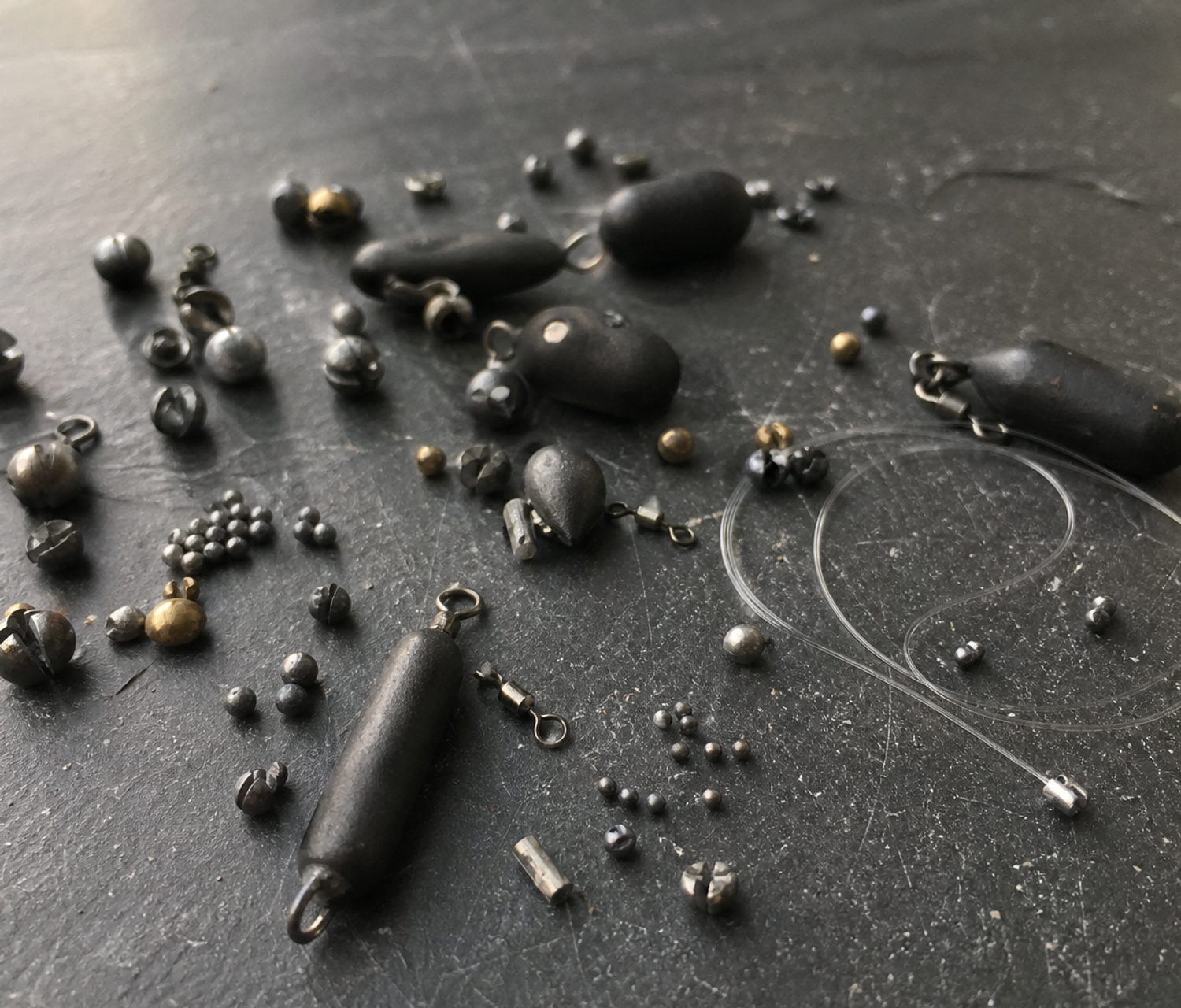
For terminal tackle, the essentials are a selection of wagglers (a few different sizes will cover most stillwater situations), a range of split shot, a selection of hooks in sizes 14 to 18, and a spool of hooklength material in a lighter breaking strain than your mainline. You do not need a large float box to begin; four or five floats of different sizes will cover your first several sessions. The float fishing setup guide on this site walks through how to assemble and balance a float rig in full.
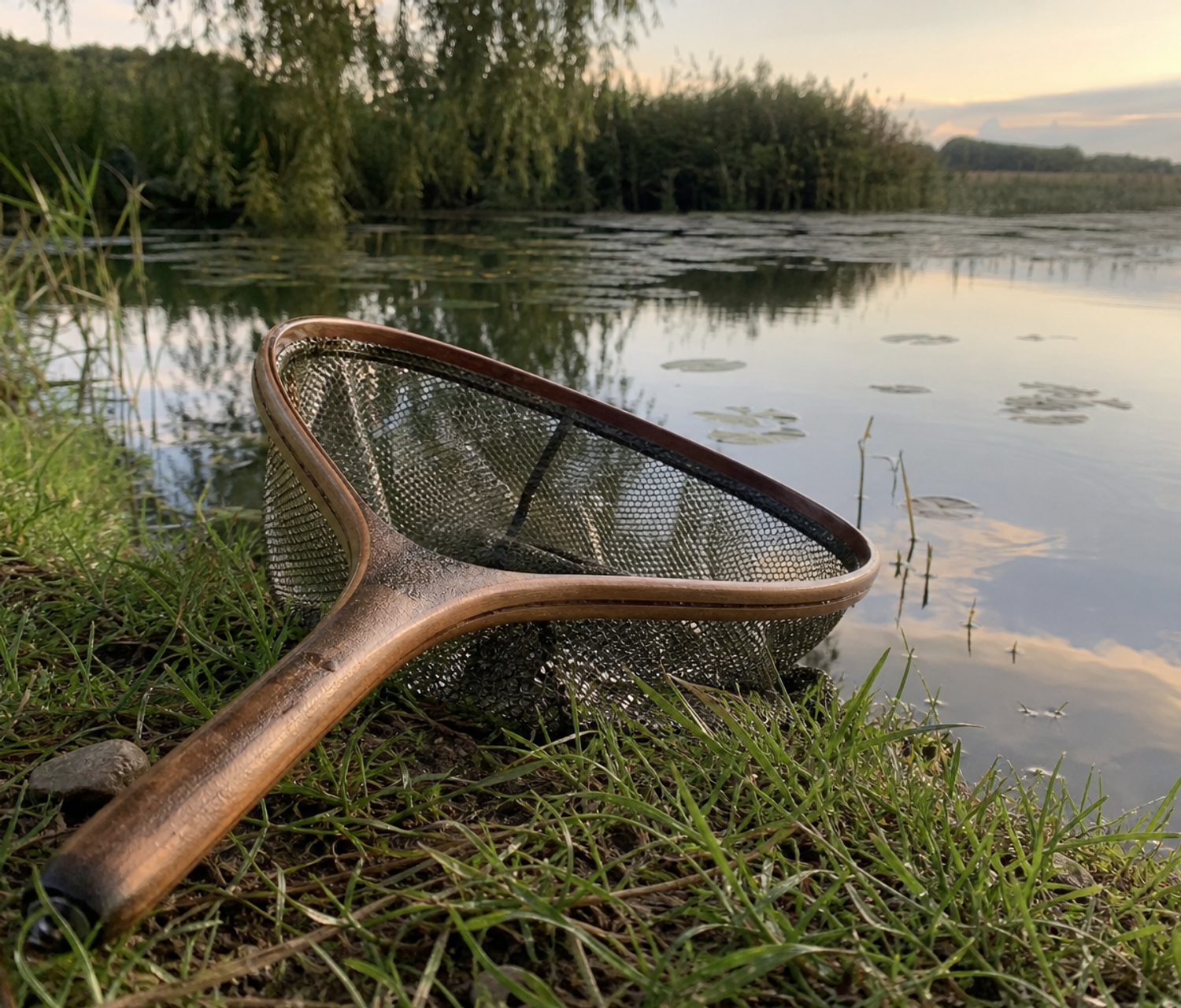
Fish care items are not optional at most UK commercial fisheries and should be in your bag from day one. A landing net (a 42-inch net is a practical starting size for mixed-species commercial fishing), an unhooking mat to protect fish while they are on the bank, and forceps for removing hooks cleanly are all expected items on most commercials. Treat them as standard kit, not extras.
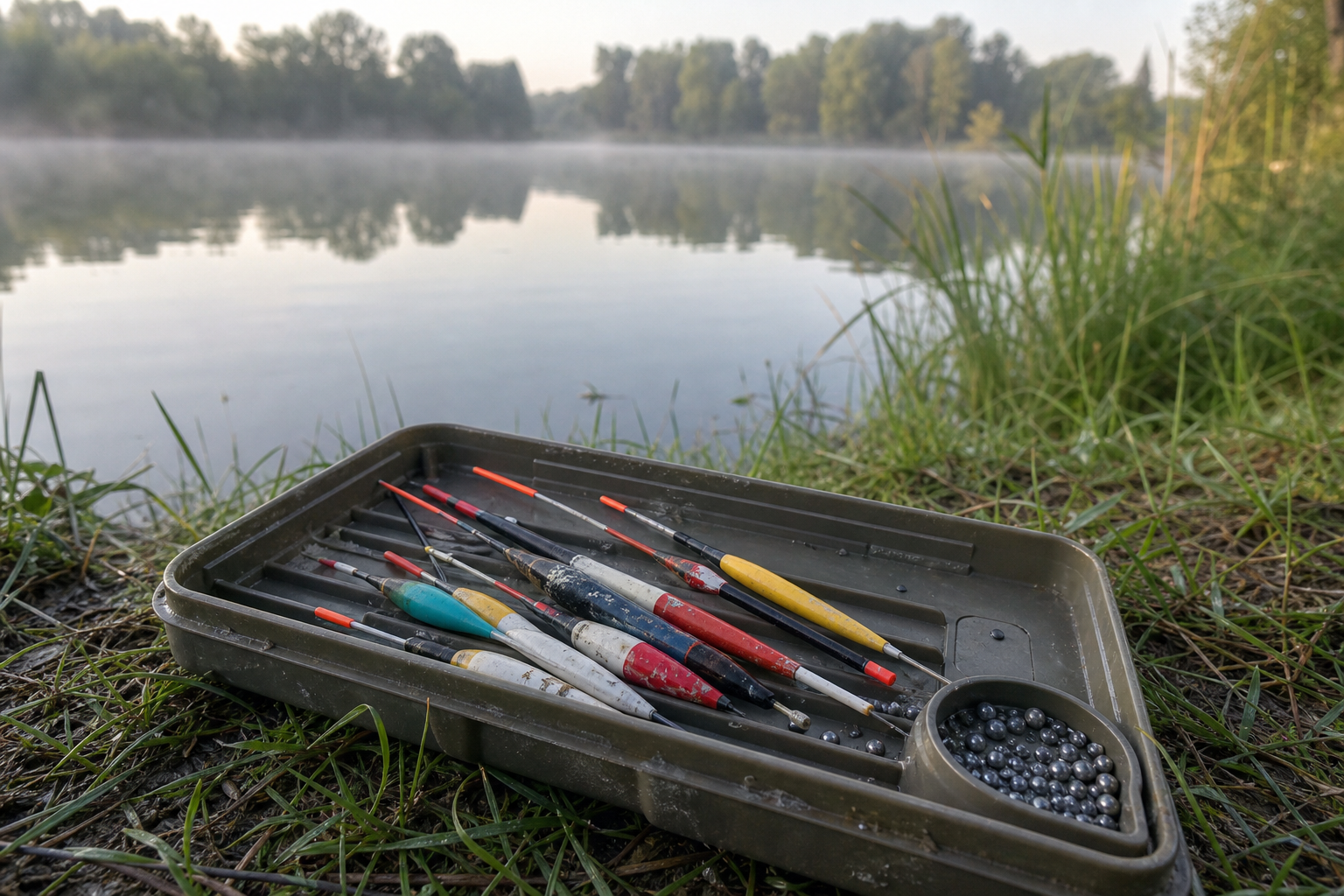
The float fishing setup guide covers rig assembly, float selection and how to adjust your presentation for different conditions. The reels guide covers what to look for in a first float reel and which options suit different budgets. Both are the natural next step once you have chosen your rod.
Frequently asked questions
What is the best rod length for beginners?
Start with a 12 ft float rod. It covers stillwaters, canals and most commercial fisheries. Choose 10–11 ft pellet waggler rods for short range small commercials and 13 ft for rivers.
What action and power should a first float rod have?
Aim for a through action with light to medium power. This combination is forgiving with fine hooklengths and comfortable for day long sessions.
How much should I spend on my first float rod?
The sweet spot is £55 to £90. Under £40 tends to be heavier and less refined. Over £100 buys specialist or match rods you do not need as a beginner.
Are starter rod and reel kits a good idea?
No. All in one kits are rarely well balanced. Buy a separately chosen rod and a 3000–4000 fixed spool reel for a better matched outfit.
Which rod if my local water has large carp?
If carp are common, choose a rod with more backbone such as the Korum Glide Power or a stiffer 12 ft float rod. For short range carp on small commercials consider a 10–11 ft pellet waggler.
Lake & Lines Editorial Team
Editorial team
The Lake & Lines editorial team brings together freshwater fishing guides and researched tackle advice, helping beginners and returning anglers prepare for better days by the water.