Best Float Fishing Reel for Beginners: What Size, What to Spend and What to Look For
Choose a 2500 or 3000 match reel with 6-8 lb mono as the best float fishing reel for beginners. It keeps balance, suits UK stillwaters and fits a modest budget.
If you have decided to start float fishing and need a reel to pair with your waggler rod, the good news is that the decision is more straightforward than the range of options in a tackle shop might suggest. The best float fishing reel for beginners is a 2500 or 3000 size fixed-spool match reel in the £30 to £50 range, loaded with 6 to 8 lb monofilament for commercial stillwaters. That combination works for the vast majority of UK beginners fishing for mixed coarse fish, and it is the recommendation this article is built around.
The rest of this guide explains why that size and price range make sense, what features to look for on the shelf, how to match a reel to your rod and what line to put on it. It also covers the alternatives you might come across, including pre-spooled combos and general spinning reels, and handles a couple of practical things every new angler needs to know before their first session.
Recommendations here are based on research and published specifications rather than direct product testing. Where specific price tiers are described, the intention is to help you decide which level suits your situation, not to push you towards a particular purchase.
What Size Reel Do You Need for Float Fishing?
Reel size numbers such as 2500, 3000 and 4000 refer primarily to spool diameter and line capacity. A larger number means a physically bigger spool that holds more line. The number is not a quality rating; a 3000 is not better than a 2500, it is simply larger.
For float fishing, size matters because you hold the rod actively for most of the session. Unlike ledgering or feeder fishing, where the rod often sits in a rest between bites, float fishing means the rod is in your hand, and the reel hangs from it, for hours at a time. A heavier reel on a light float rod creates an imbalance that becomes genuinely tiring. This is not a theoretical concern; it is a mechanical reality of the technique.
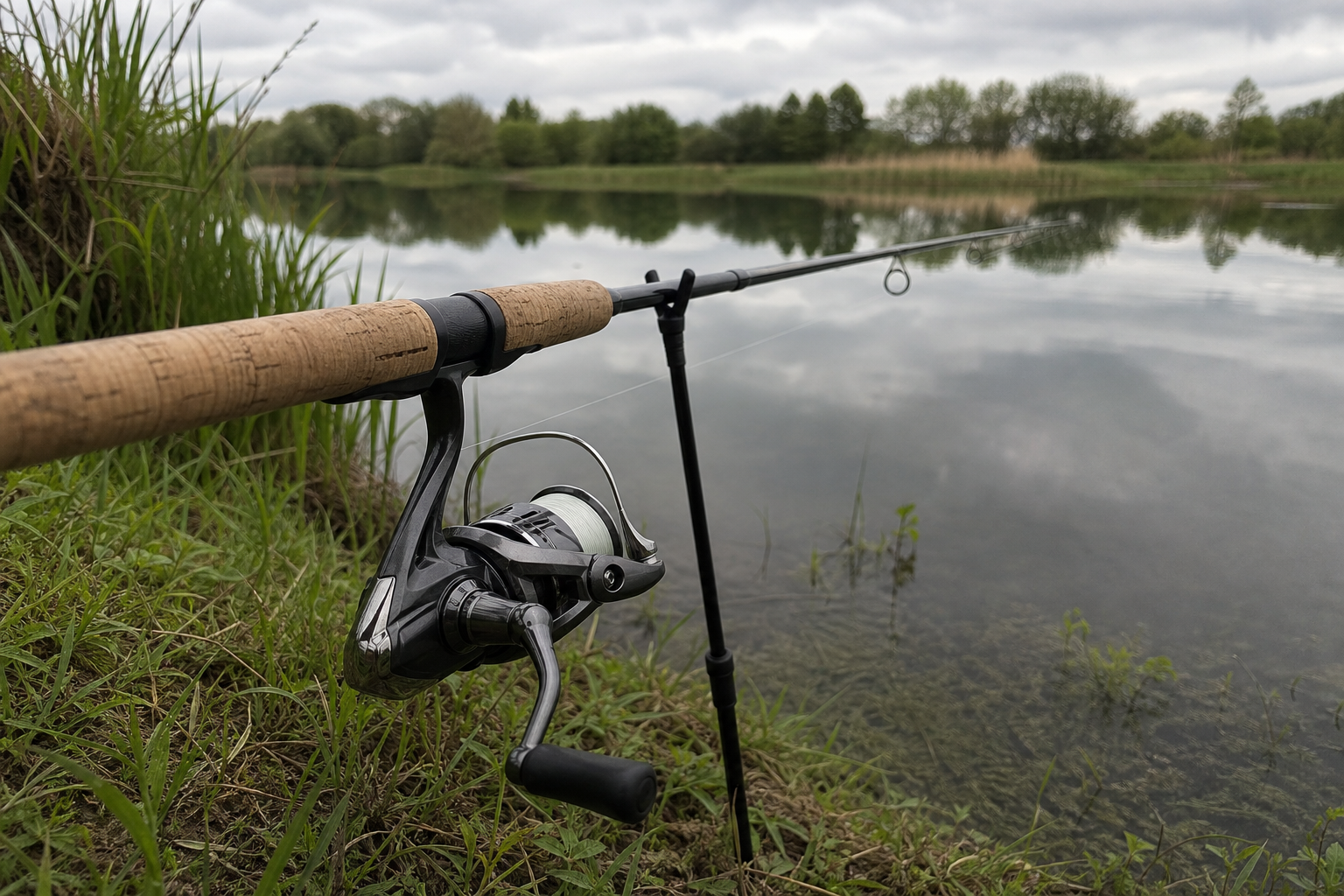
For a standard 10 to 13 ft waggler or float rod, the float fishing reel size that works best is a 2500 or 3000. These spools hold enough monofilament for any realistic float fishing situation on a UK commercial stillwater or canal, and they keep the outfit light enough to fish comfortably through a full session.
A 4000 reel is occasionally appropriate, but only for specific setups: long-range waggler casting on large open waters where heavier line and bigger casting weights are involved. On a typical 12 ft waggler rod fished at normal stillwater distances, a 4000 adds unnecessary weight and can make the rod feel nose-heavy in the hand.
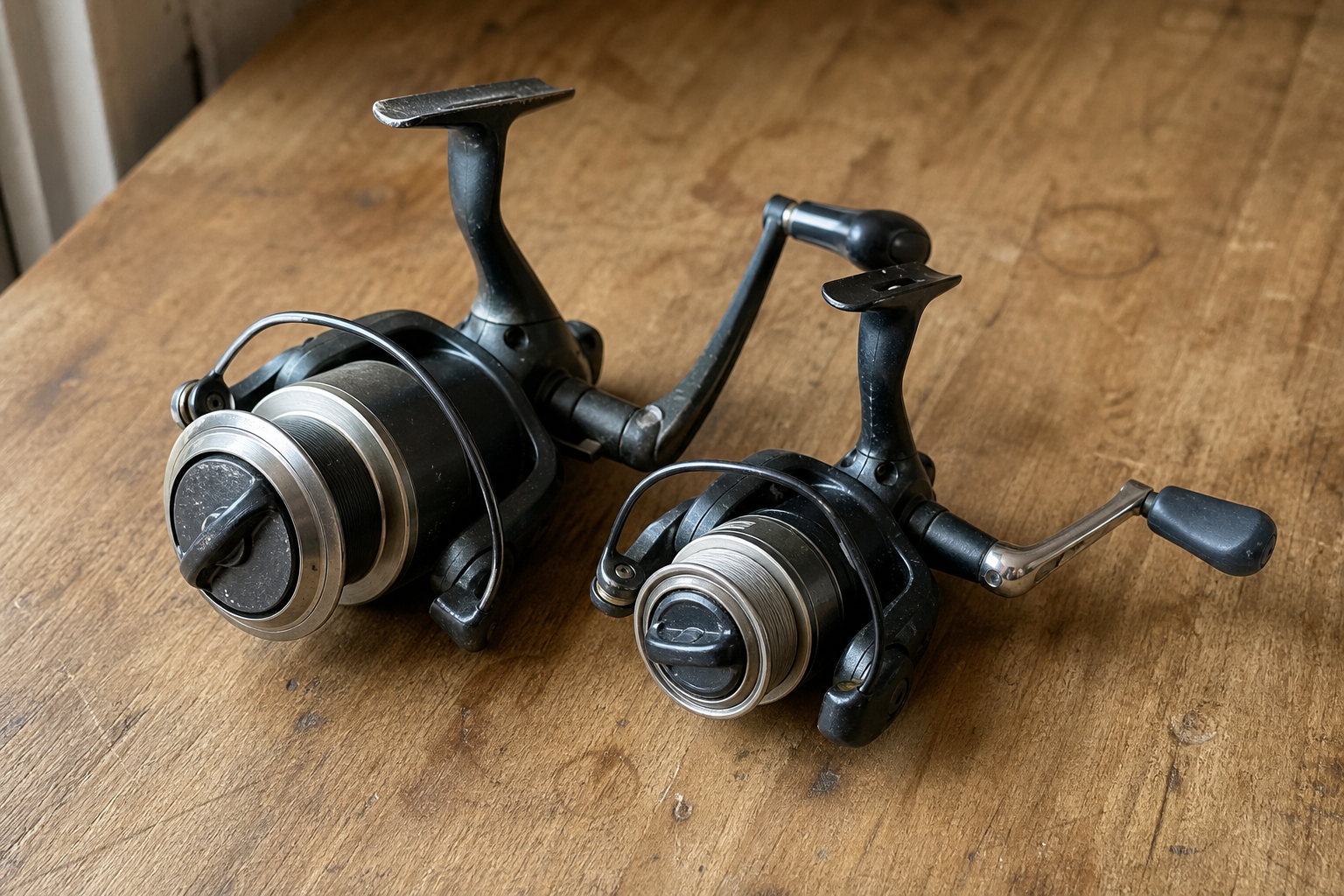
A simple size rule for float fishing
For a standard 10–13 ft waggler rod, a 2500 or 3000 size reel is the right fit. It keeps the outfit light and balanced, which matters more than raw spool capacity when you are learning to float fish. Only consider a 4000 size if you are specifically planning long-range waggler casts on large open stillwaters with heavier line.
What Features Matter in a Beginner Float Reel?
Knowing what to look at on the box or the reel itself makes the choice much easier. A few features have a direct effect on how the reel performs for float fishing; others are background specifications that rarely influence day-to-day use at this level.
Reel weight and balance matter more in float fishing than in most other coarse methods. Because you hold the rod throughout the session, even a 50 to 100 gram difference in reel weight changes how the outfit feels after a couple of hours. Lighter is genuinely better here, not just a premium selling point.
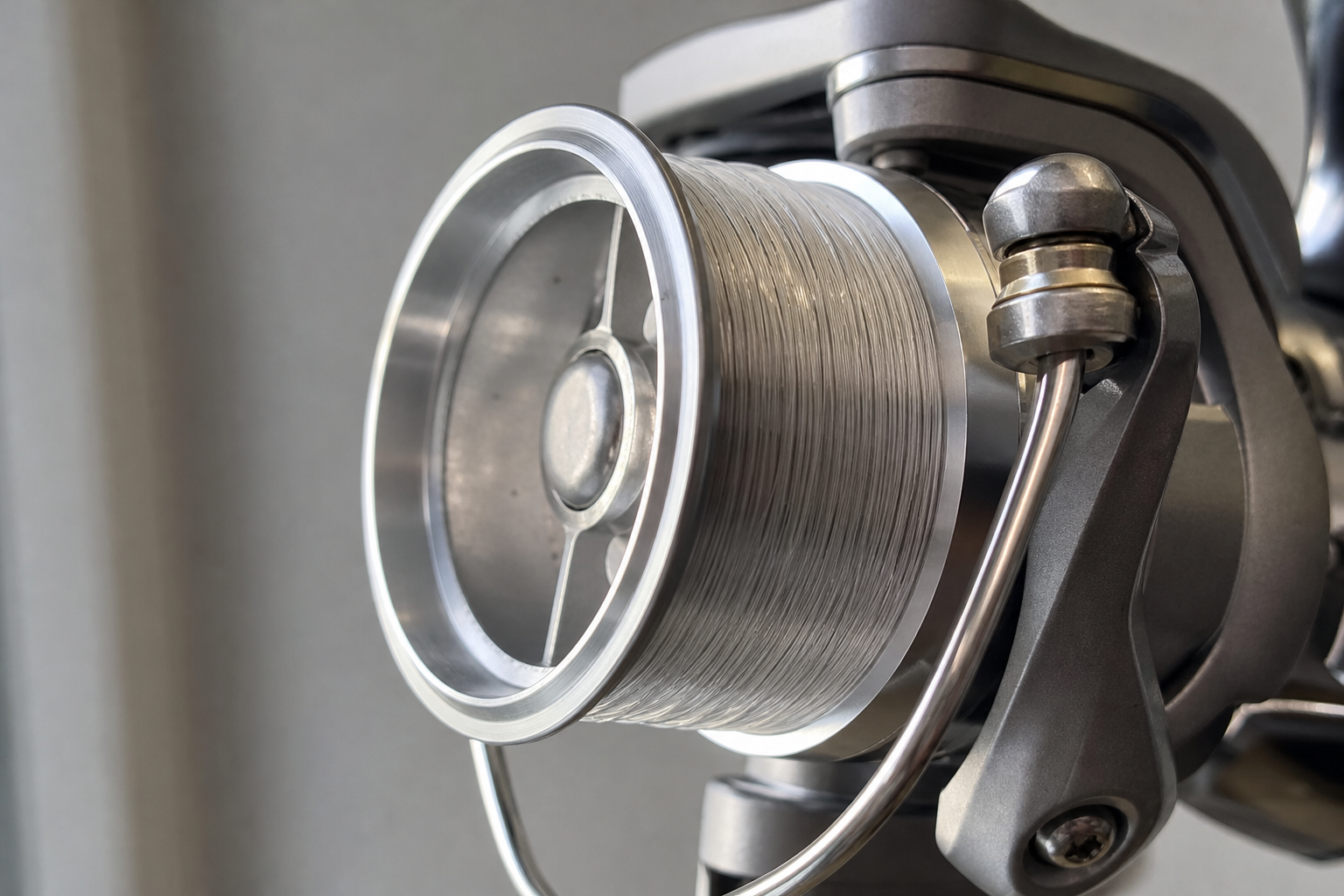
A shallow or match spool is important because float fishing typically uses lighter monofilament, often 3 to 8 lb, and a shallow spool is designed to hold the right amount of this line correctly. Deep carp or sea spools are designed for much heavier lines in larger volumes; fill one with light mono and you will either underfill it, causing poor line lay, or overfill it, causing tangles as loops of line fall off the spool during a cast.
Front drag is the standard configuration on match and float reels, and it is the better choice for beginners. The drag washer sits at the front of the spool, is adjusted by a knob at the spool face and tends to operate more smoothly than rear drag systems. For float fishing, where you might be playing a fish on a fine hooklength, a smooth, predictable drag is more useful than a powerful one.
Line lay refers to how neatly the reel winds line back onto the spool. Poor line lay, where the line builds unevenly in ridges or spirals, causes tangles and affects casting distance and accuracy. You can check line lay simply by turning the handle on a loaded reel and watching whether the line winds on evenly across the spool face.
Instant anti-reverse prevents the handle from kicking back when you strike into a fish. Most modern fixed-spool reels include this as standard, but it is worth confirming, particularly on the cheapest options.
A spare spool is genuinely useful for float fishing because different venues and target fish call for different line strengths. Having a second spool loaded with lighter line means you can switch setups without re-spooling. Not every budget reel includes one, but many mid-range match reels do.
| Feature | Why it matters for float fishing | What to look for |
|---|---|---|
| Reel size | Affects balance and comfort on a float rod | 2500 or 3000 for most 10–13 ft waggler rods |
| Spool depth | Shallow match spools suit lighter lines and prevent coils | Match or shallow spool, not a deep sea or carp spool |
| Drag system | Protects fine hooklengths when playing fish | Smooth front drag; easy to set by hand |
| Line lay | Neat lay reduces tangles and helps casting | Check by turning the handle; line should wind evenly |
| Anti-reverse | Prevents handle kickback on the strike | Instant anti-reverse standard on most modern reels |
| Spare spool | Lets you carry two line setups | Useful but not essential; worth having at mid-range price point |
How Much Should a Beginner Spend on a Float Reel?
There are three realistic price tiers for a beginner float reel in the UK. Each suits a different situation, and being honest about those differences is more useful than simply steering everyone towards the most expensive option.
Budget Reels (Around £25 to £35)
A budget reel in this price range will handle float fishing for mixed coarse fish on a commercial stillwater. The mechanics work; you can cast, retrieve and play fish. The limitations show up in the smoothness of the drag and the quality of the line lay rather than in any fundamental failure to function.
If you are genuinely unsure whether float fishing will become a regular hobby, this tier is a sensible choice. It reduces the financial risk while you find out whether the sport suits you, and it is not an inferior option in any meaningful sense for someone fishing occasionally on a commercial lake for smaller fish.
Budget float reel (around £25–£35)
Strengths
- + Low financial risk while you are finding your feet
- + Simple controls with front drag and basic anti-reverse
- + Adequate for mixed silver fish and modest carp on commercial lakes
Limitations
- - Drag and line lay are less smooth, which can cause problems with bigger fish
- - More plastic components reduce long-term durability
Mid-Range Match Reels (Around £40 to £70)
This is the tier that suits most adult beginners who plan to fish regularly. The step up from a budget reel is noticeable: the drag operates more smoothly, the line lay is neater and the gearing feels more solid under load. Many reels in this range include a spare spool, which adds practical value for float fishing specifically.
At this price point, you are buying a reel that will serve you through the learning phase and continue to perform well once your fishing develops. The build quality is durable enough for regular use across seasons. This is the sweet spot for the majority of new anglers who are committing to the hobby rather than dipping a toe in.
Mid-range match reel (around £40–£70)
Strengths
- + Noticeably smoother drag and better line lay for neat float casting
- + Often supplied with a spare spool for two line setups
- + More robust gearing and better corrosion resistance
Limitations
- - Higher upfront cost than budget options
- - Spare spools and adjustable features can feel overwhelming for an absolute beginner
Higher-End Match Reels (Around £80 to £120)
Reels in this bracket are built for regular, heavy use by anglers who fish frequently. The weight reduction compared to mid-range models is real and matters over a long session. The drag systems are exceptionally smooth, which is relevant when fishing fine lines for shy-biting fish. Top-end reels such as the Matrix HX Pro (around £150 to £200) sit above this tier, and there are comparable options at £80 to £120 across several brands.
For a beginner on their first few sessions, a reel at this price level will not improve catch rates. The fish do not know what reel you are using. These are tools that reward the angler who has developed enough technique to make use of their precision. If you already know the sport suits you and you are prepared to fish through the year in all conditions, this tier is a worthwhile long-term investment. For someone who is still learning, it is genuinely ahead of what the situation requires.
Higher-end match reel (around £80–£120)
Strengths
- + Very light, which reduces fatigue in long float sessions
- + Exceptionally smooth drag for fine lines and shy biting fish
- + Built for heavy, regular use over many years
Limitations
- - Overkill for casual beginners; it will not improve catch rates on your first sessions
- - You may pay for spare spools and specialist shallow spools you do not yet need
To summarise the tiers plainly: if you are testing the water with float fishing for the first time, the budget tier is a sensible starting point. If you have already decided this is something you will do at least monthly, the mid-range tier is the right choice and will not need replacing as your fishing develops. The higher tier is an upgrade to consider once you know exactly how you fish and what you need from a reel.
What Line Should You Put on a Float Reel?
Line choice follows directly from the reel and the venue. There is no universal answer, but there are two clear scenarios that cover most beginner float fishing in the UK.
On a commercial stillwater, where you might encounter roach, skimmers, F1s and small to mid-sized carp, 6 to 8 lb monofilament as a mainline is the practical choice. It handles the range of fish you are likely to encounter without being so heavy that it affects float presentation.
On natural waters and canals, fishing primarily for roach, dace and perch with lighter float rigs, a 3 to 4 lb mainline gives better presentation and more sensitive bite detection. The lighter line sits better on the water and allows the float to behave more naturally.
In both cases, a hooklength (a shorter length of lighter line connecting the hook to the mainline) is usually fished lighter than the mainline. This is so that if the hook snags, the hooklength breaks first rather than the main setup. A 2 to 3 lb hooklength is typical across most beginner float fishing situations.
One point worth making regardless of which line you choose: overfilling a spool causes tangles. Line should sit just below the spool lip, not packed to the rim. This applies even to an expensive reel with a smooth line lay; overfilling defeats the design of the spool.
| Fishing situation | Mainline strength | Notes |
|---|---|---|
| Commercial stillwater (roach, skimmers, F1s, small carp) | 6–8 lb monofilament | Handles most fish on UK commercials without being overly heavy |
| Natural water or canal (roach, dace, perch) | 3–4 lb monofilament | Better presentation and bite detection on lighter rigs |
| Hooklength (both situations) | 2–3 lb | Lighter than the mainline so it breaks first if snagged |
Matching Your Reel to Your Rod
A reel and rod need to work together as a balanced outfit. The size guidance already points you in the right direction: a 2500 or 3000 reel suits most 10 to 13 ft waggler rods sold in the UK. But it is worth understanding what balance means in practical terms so you can check it for yourself.
Hold the rod at the grip with the reel attached and the bale arm closed. The outfit should feel roughly neutral in your hand, not pulling the tip forward. If the rod tip dips under the weight of the setup and the handle wants to rise, the reel is too heavy for that particular rod, and a full session will be uncomfortable. A well-balanced float rod and reel combination should sit close to level when you hold it at the natural grip position.
Most 12 ft waggler rods are designed with a 2500 or 3000 reel in mind. A 4000 reel will often tip the balance noticeably, which is one of the practical reasons to stick with the smaller sizes for float fishing rather than simply going for the biggest spool available.
If you are still in the process of choosing a rod, the balance question is a useful guide when trying outfits in a shop: ask to mount the reel and hold the rod before committing.
Reel Types Compared: Match Reel, Spinning Reel or Pre-Spooled Combo?
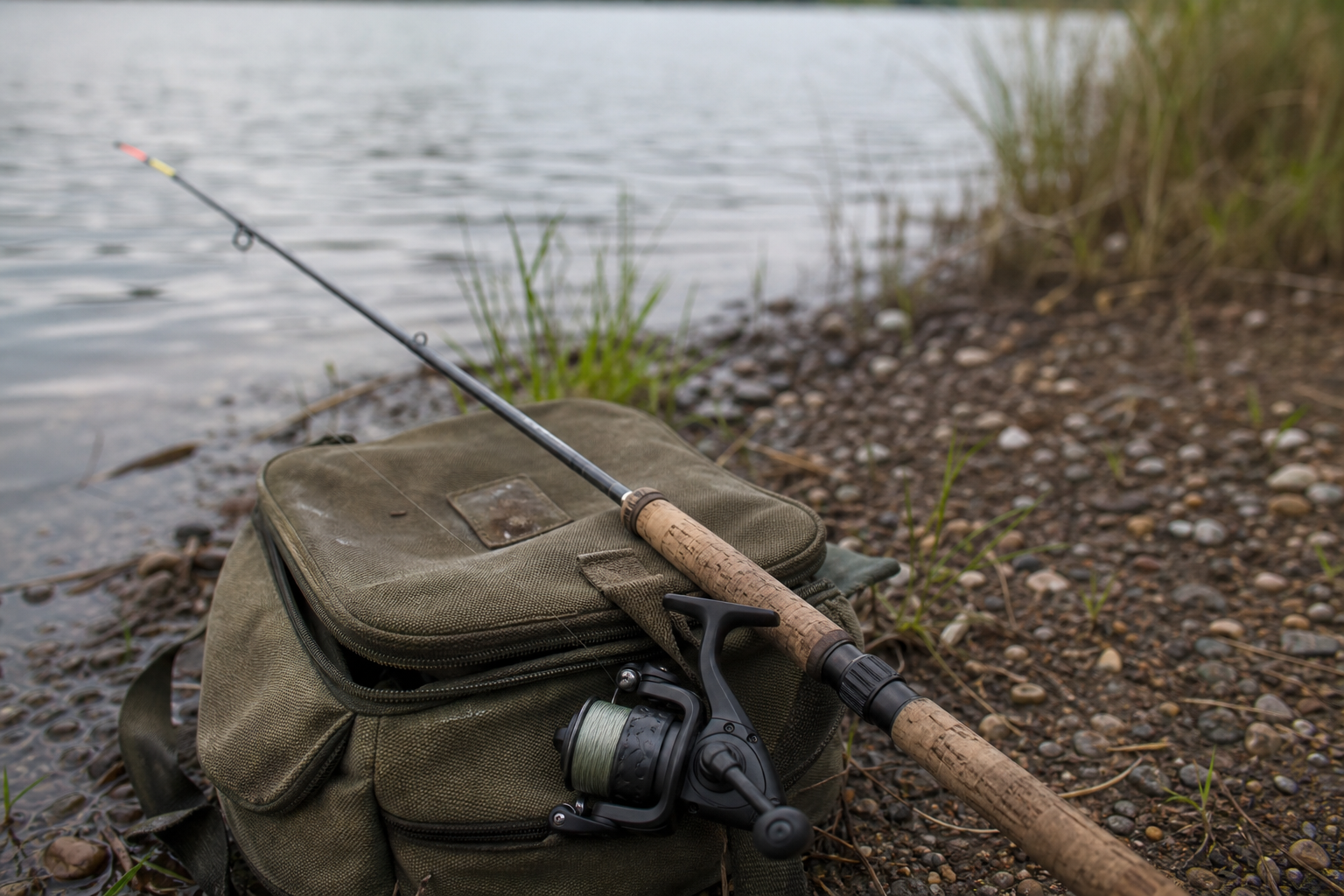
Some beginners come to this decision already owning a general spinning reel, or they have seen pre-spooled combo deals marketed heavily in tackle shops and online. It is worth addressing both alternatives directly.
| Reel type | Best for | Main limitation |
|---|---|---|
| Match or float fixed-spool (2500–3000) | Primary choice for most beginner waggler setups | Slightly more expensive than the cheapest general reels |
| General spinning reel (2500–4000) | Occasional float anglers who already own one | Deeper spools can cause coils with light mono; may unbalance a float rod |
| Pre-spooled budget reel (sold with line) | One-off taster sessions or very tight budgets | Line quality often unknown; spools can be overfilled; less durable |
A general spinning reel can work for float fishing if you already own one. The main practical issues are spool depth and weight: many spinning reels in the 2500 to 4000 range have deeper spools than a match reel, which causes coiling and line-lay problems when filled with light monofilament. If the reel is what you have, use it; but if you are buying specifically for float fishing, a dedicated match reel is the more capable starting point.
Pre-spooled combos are a different matter. They are convenient and heavily promoted to new anglers, and they are not harmful for a genuine one-off session. The issue is that the line quality is often unknown, the spool is frequently overfilled and the reel itself is built to the lowest possible cost. For anyone planning to fish more than once or twice, the line is usually the first thing worth replacing, and the reel itself will feel the limitations quickly. A dedicated match or float reel, even at the budget end of that category, is a more useful purchase for someone putting together a proper first setup.
A Few Things to Sort Out Before Your First Session
Before you get to the water, there are two legal requirements and one practical step that every new angler in England or Wales needs to have in order.
Rod licence: Any adult fishing for coarse fish in England or Wales must hold a valid rod fishing licence issued by the Environment Agency. This applies to everyone, regardless of experience or the size of the fish being targeted, and it must be in place before you fish. Licences are available through the Environment Agency's website and cover different durations from a single day upwards. The requirement applies specifically in England and Wales; the rules in Scotland and Northern Ireland differ.
River close season: Coarse fishing on rivers in England and Wales is not permitted between 15 March and 15 June each year. This catches some beginners who plan to start fishing in spring. The important practical point is that most commercial stillwaters and the majority of canals are open year-round, subject to the individual fishery's own rules. If you are planning to fish a commercial lake as a beginner, the river close season is unlikely to affect you directly, but it is worth knowing that it exists.
Day ticket or club water: A rod licence gives you the legal right to fish; it does not give you the right to fish any particular water. You also need permission from the owner or controlling club for the venue you plan to visit. On commercial fisheries this is usually a day ticket bought on arrival or in advance. These are separate requirements and one does not substitute for the other.
These are practical facts rather than complications. Sort them out before you go, and you can focus on the fishing.
Frequently asked questions
What reel size is best for beginner float fishing?
A 2500 or 3000 fixed-spool match reel is ideal for most 10–13 ft waggler rods. Only choose a 4000 if you plan long-range waggler casts with heavier line.
How much should I spend on my first float reel?
Budget £25–35 to try float fishing, mid-range £40–70 is best for regular beginners, and £80–120 is for frequent anglers who want lighter weight and very smooth drag.
What line should I put on a float reel?
Use 6-8 lb monofilament on commercial stillwaters and 3-4 lb on natural waters or canals. Fish a 2-3 lb hooklength. Do not overfill the spool; keep line below the lip.
Can I use a spinning reel or a pre-spooled combo?
A spinning reel can work if you already own one, but deep spools and extra weight can cause coiling and imbalance. Pre-spooled combos are OK for one-off sessions but often have poorer line quality.
What legal steps do I need before my first session?
Buy a valid rod licence for England and Wales, check river close seasons, and obtain permission or a day ticket for the water you plan to fish.

Lake & Lines Editorial Team
Editorial team
The Lake & Lines editorial team brings together freshwater fishing guides and researched tackle advice, helping beginners and returning anglers prepare for better days by the water.