Carp fishing on a day ticket: how to plan your first session
Practical tips for carp fishing on a day ticket: pick a runs water, pack a simple rig, follow fishery rules and handle carp carefully to make your first session a success.
At a Glance
- Start with a well stocked commercial runs water for the best chance of bites and support.
- Bring a simple one-rod setup plus a 36–42 inch net, wet unhooking mat, forceps and a small amount of bait.
- Buy a rod fishing licence and check venue rules, including hook pattern and permitted bait, before you travel.
- Arrive early, walk the bank, bait lightly and wait 45 to 60 minutes before switching swims or tactics.
- Prioritise fish care: use a wet mat, barbless hooks, handle carp low to the ground and return them gently.
If you want to try carp fishing on a day ticket, the first practical question is not which rig to use but how to find the right water and arrive prepared. This guide covers choosing a venue that suits a first or returning carp session, understanding what you need to bring, and making the most of a single day on the bank.
What a day ticket actually means
A day ticket is permission from the fishery owner to fish a specific water for a defined period, usually from early morning to dusk. It is a private arrangement between you and the venue, and it is separate from, and additional to, the rod fishing licence issued by the Environment Agency.
A rod fishing licence is a legal requirement for fishing in England and Wales. You need one before you set foot on the bank, regardless of what the venue charges or how casual the session feels. Full details on licence types, costs and how to buy one are covered in our guide to rod licences and day tickets in England and Wales; this article will not repeat that detail, but it is important to have it sorted before you travel.
Day-ticket prices vary considerably. Modest commercial carp lakes often charge somewhere between £8 and £15 for a day session. Better-stocked or higher-profile carp fisheries tend to sit in the £20 to £25 range, and some well-known venues charge more. These are indicative figures; always check the current price on the venue's own website.
On booking: many commercial carp fisheries now ask you to pre-book rather than pay on the bank, particularly at weekends. It is worth checking before you travel rather than assuming a swim will be available. Some venues operate a simple online system; others take bookings by phone. Either way, a quick check costs nothing and saves a wasted journey.
Choosing the right water for a first carp day session
Venue choice matters more than any other single decision for a first carp session. The right water makes a successful, enjoyable day straightforward; the wrong one can mean hours without a bite and very little to learn from. Venue lists usually sort waters by county or fish size, which does not tell you what kind of water to look for. Here is what actually matters.
Runs waters and commercial carp lakes
A runs water is a lake or pond that is well stocked with carp that feed regularly. Bites are achievable throughout the day, fish sizes tend to be manageable (commonly 5 to 15 lb, with larger fish present), and the fishery is set up with anglers in mind: clear rules, on-site bailiffs, decent facilities and defined swims. The name refers to the fact that runs (takes on the bite alarm or rod tip) are a regular occurrence rather than a rare event.
This is the right starting point for a first carp day session. The combination of bite frequency, straightforward rules and staff on hand to answer questions makes the experience productive from the outset. These venues cost a little more than a general coarse lake in some cases, but the additional cost reflects genuine value in terms of opportunity and support.
Mixed coarse lakes and reservoir fisheries
A mixed coarse day-ticket water holding carp alongside tench, bream and roach is also a perfectly reasonable option, and often slightly cheaper than a dedicated carp fishery. Bite rates for carp specifically can be lower, since the stocking density is spread across several species, but these waters are good for building confidence and offer more variety if the carp are not feeding.
Some reservoir and utility fisheries now offer structured beginner carp sessions that include gear hire and basic instruction. If you are returning to fishing after a long gap and want the reassurance of someone on hand to help, these are worth seeking out.
What to avoid early on
Low-stocking-density specimen lakes, which are waters managed specifically for carp over 20 or 30 lb, are the wrong starting point. Tickets are more expensive, blank sessions are common even for experienced anglers, and the culture on many of these venues assumes a level of knowledge and commitment that takes time to develop. Famous big-fish complexes can also be unwelcoming to inexperienced visitors. Leave these waters until you have a few sessions behind you and feel comfortable with the basics.
| Venue type | Typical day ticket | Bite potential | Best for |
|---|---|---|---|
| Commercial runs water | £8–£15 | High | First and returning carp sessions |
| Mixed coarse lake | £5–£12 | Moderate | Confidence building, variety |
| Reservoir beginner ticket | £8–£15 (may include gear) | Moderate | Complete beginners |
| Specimen/big-fish complex | £20–£30+ | Low to moderate | Experienced anglers |
What to bring for a day-ticket carp session
A day carp session does not require a large or expensive setup. One rod, a few essentials and a handful of bait is a workable starting point. The list below separates what you need from what can wait.
Essential tackle and gear
Rod. A medium-test-curve carp rod (1.75 lb or 2.25 lb test curve covers most commercial fishery situations) or a strong feeder rod rated to at least 2 oz. One rod is sufficient for a first session and many venues limit anglers to two anyway.
Reel. A fixed-spool reel with a reliable drag, loaded with 10 to 12 lb monofilament. Some anglers use braid, but mono is forgiving and straightforward for returning anglers.
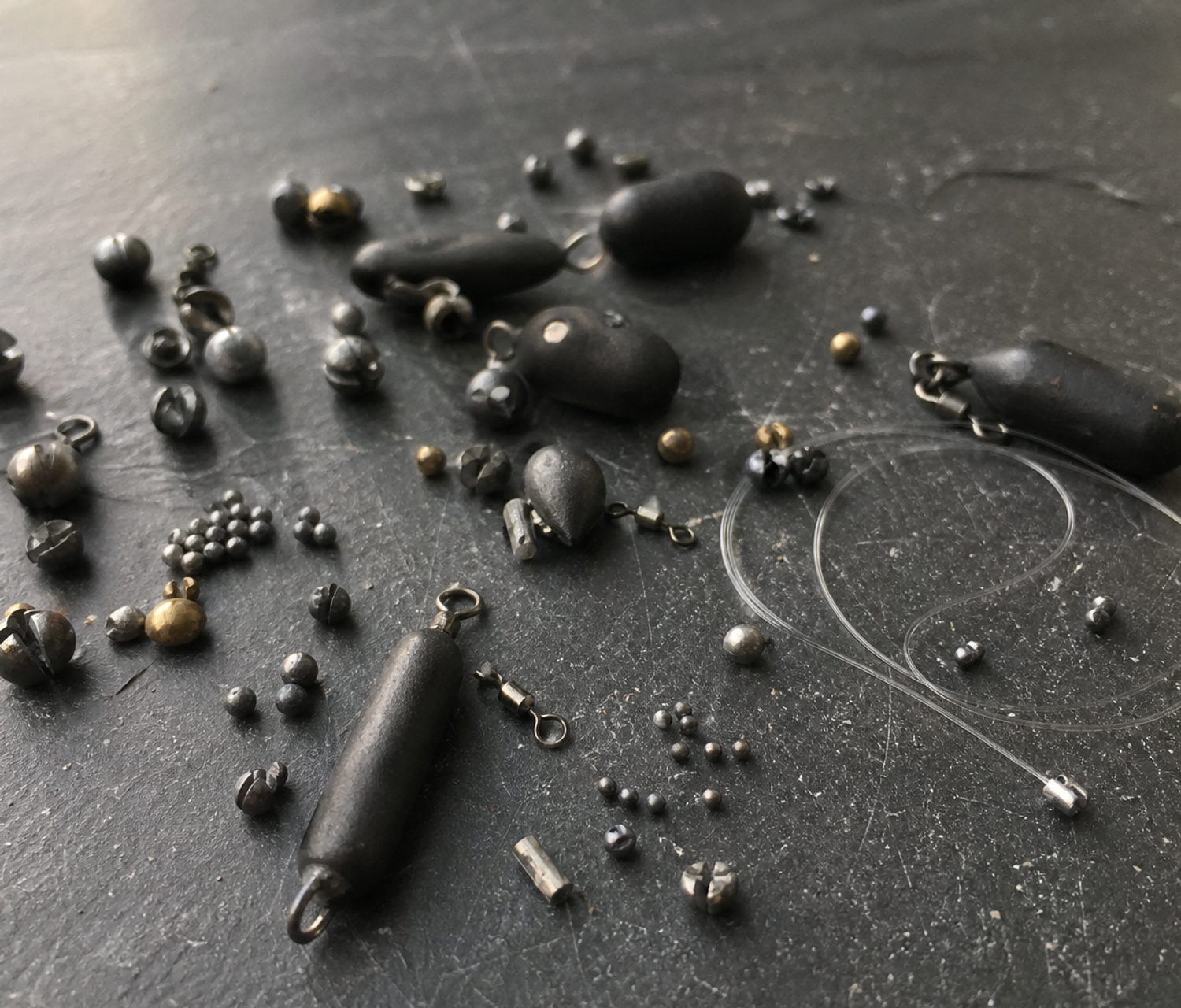
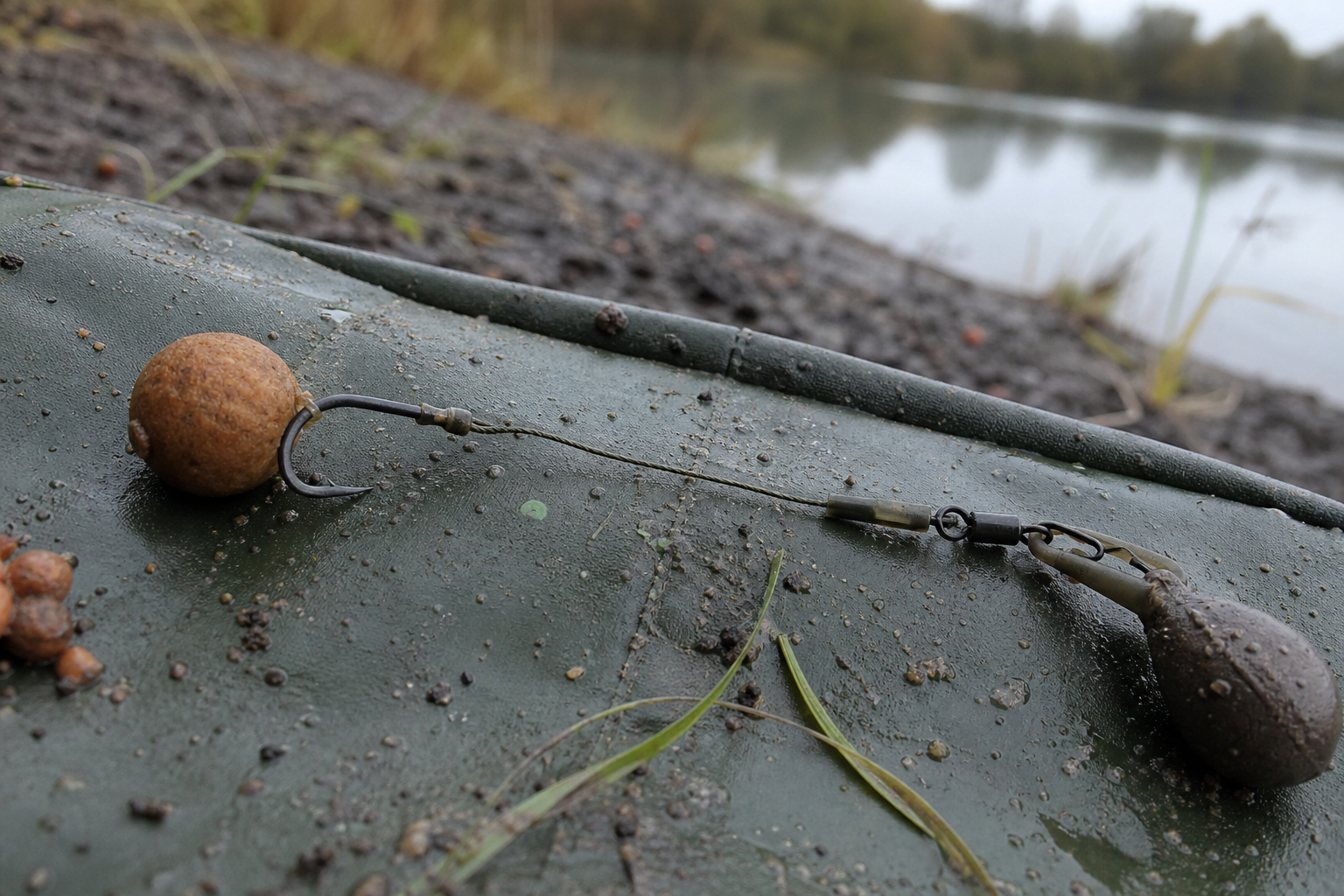
Terminal tackle. A lead-clip or inline lead system with a tail rubber is the standard presentation for most commercial carp fishing. The safety logic is simple: the lead-clip is designed to eject the lead under pressure, so if the line breaks, the fish is not left tethered to a dead weight. Size 6 to 10 barbless carp hooks on a hair rig (a short loop of fine line that positions the bait just off the hook, so the fish hooks itself as it takes the bait) with a short hooklength of 6 to 8 lb material completes the terminal setup.
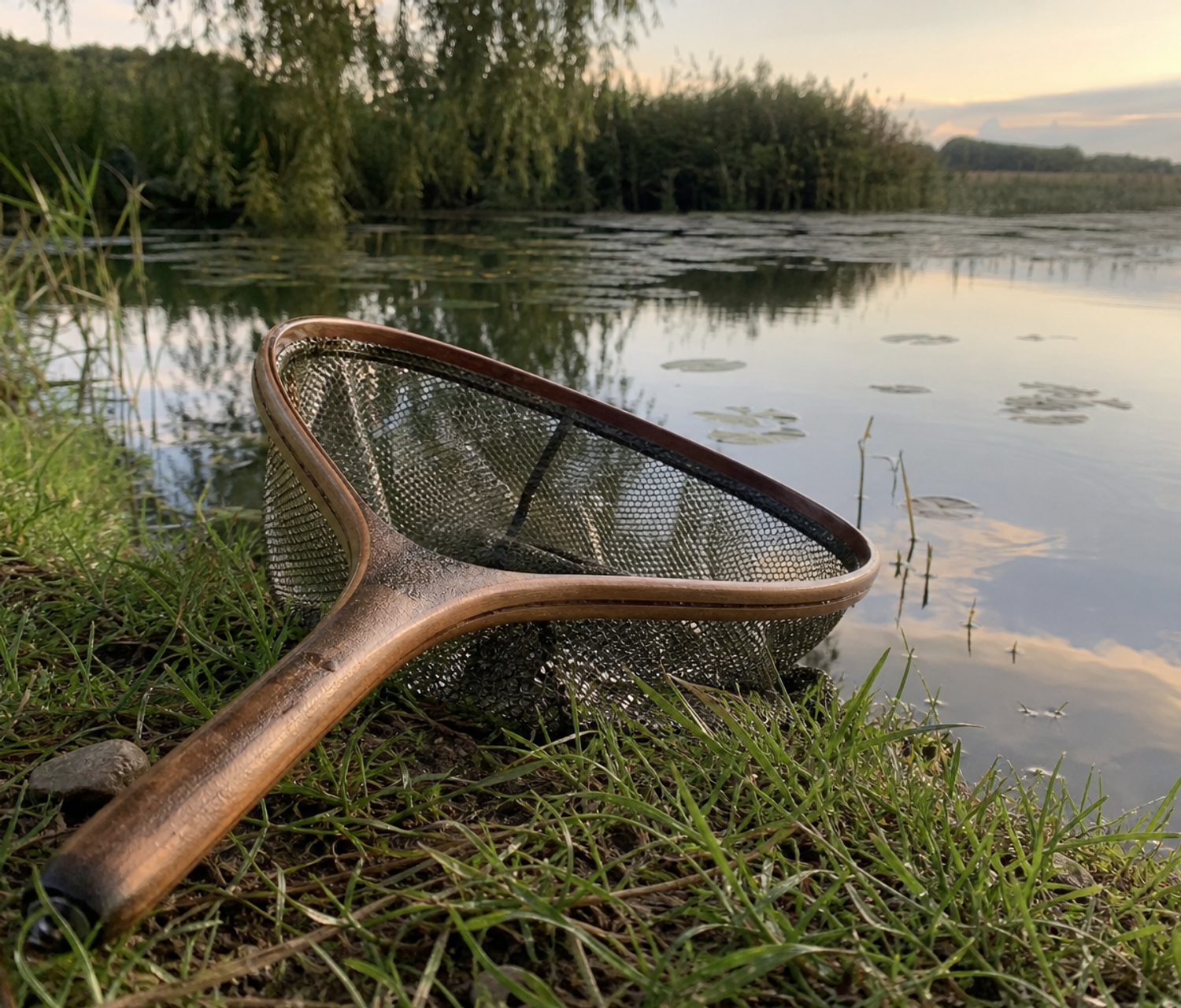
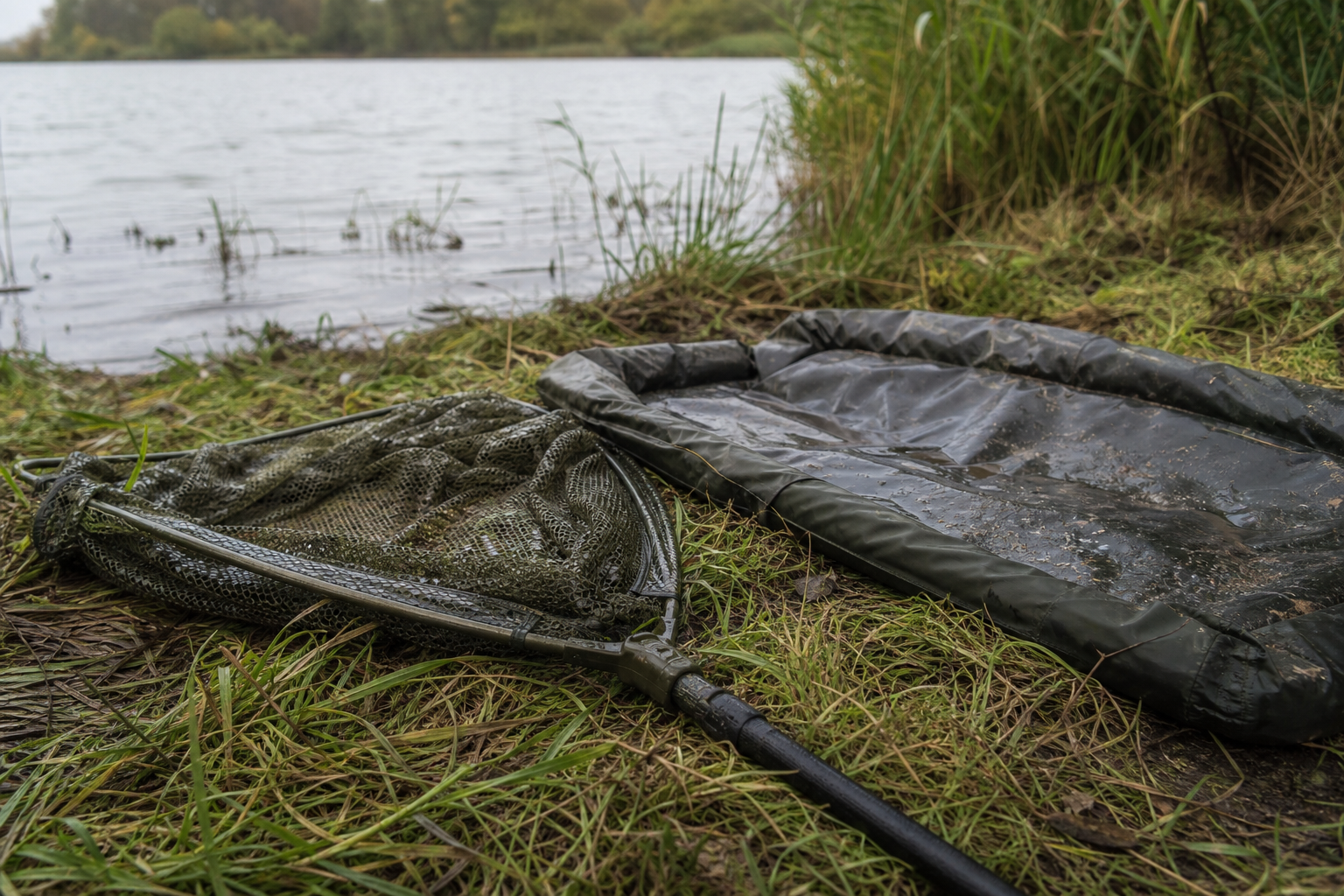
Landing net. A 36-inch (minimum) or 42-inch net. Many carp fisheries specify this as a minimum size and some will check. Bring one that meets this requirement.
Unhooking mat or carp cradle. Required at almost all carp fisheries. This is not a suggestion: it is a condition of fishing at the venue, there to protect the fish's scales and body when it is out of the water. Do not leave it behind.
Forceps. A pair of long-nosed forceps for safe hook removal. A disgorger works for small hooks, but forceps give better control with a carp hook.
Bait. Keep it simple. Sweetcorn, 6 mm or 8 mm pellets and ready-made boilies (14 to 18 mm) all work well on commercial waters. A small quantity of each gives you options without overcomplicating the session. You do not need a large bait supply for a day ticket.
Practical day items
A comfortable fishing chair is enough for a day session. A bedchair or bivvy is appropriate for overnight fishing and unnecessary here. A basic rod rest or small buzz bar setup to hold the rod while waiting for a bite, a cool bag with food and water (some commercial fisheries have a café, but it is sensible not to rely on it), and warm, waterproof clothing regardless of the morning forecast round out the day-session essentials. Bankside conditions can change quickly even in settled weather.
What you do not need for a day session
A bivvy or brolly shelter, multiple rods, a bait boat, a spod rod and a marker float setup are all tools for longer or more technical sessions on larger waters. None of them are relevant to a first carp day ticket, and arriving with a large amount of gear can make the session harder to manage, not easier.
Check the rules before you pack
Most commercial carp fisheries publish their rules online. Check before you travel: hook pattern (barbless is almost universal), permitted bait, minimum net size and whether keepnets are allowed for carp (they usually are not). Turning up with the wrong kit can mean a wasted journey.
How to structure your day on the bank
Most content about day-ticket carp fishing covers what to bring and what the rules say, but stops short of explaining what a well-managed session actually looks like in practice. The sequence below gives a practical shape to the day without being prescriptive about tactics: conditions vary, and reading what is in front of you matters more than following a fixed plan.
Arriving and reading the water
Arrive early. The most productive swims on a busy commercial lake fill quickly, particularly at weekends, and the hour before most anglers arrive is also one of the better times to spot fish.
Before you set up, walk the bank quietly and look for carp showing themselves: fish rolling near the surface, patches of small bubbles rising from the bottom (a sign of carp feeding), coloured or cloudy water in a previously clear area, or movement close to margins, overhanging trees and island edges. Carp use these features as patrol routes and feeding areas.
If you cannot see obvious fish activity, ask the bailiff or fishery staff. Most are happy to point you towards the swims that have been producing. Choose a swim with a nearby feature rather than open water.
Setting up and baiting
Set up your rod before you introduce any bait into the swim. Disturbing the water repeatedly as you rig up wastes the calm window after you arrive.
Start with a modest amount of bait over the hook bait: a small handful of pellets or a few grains of corn is enough to draw fish without filling them up. Large quantities of bait early in the session can reduce the number of takes, particularly on heavily fished commercial waters where carp can become selective. Cast to your chosen feature, clip up the line at the spool so you can repeat the cast accurately to the same spot, then settle into a rhythm.
Adjusting during the session
If there is no sign of fish after 45 to 60 minutes, consider recasting to a different part of the swim or moving slightly along the margin rather than changing the rig entirely. A smaller hook bait, such as a single piece of corn rather than two, can make a difference on pressured water where fish are used to recognising over-baited presentations.
On commercial carp lakes, the late afternoon often produces well even after a slow morning. Resist the temptation to pack up early.
Less change, more fishing
The most common mistake on a first carp day is switching rigs and baits too often. Pick one simple method, keep your bait in the water and focus on reading what is in front of you. Patience with a good rig in the right spot outperforms constant tinkering.
Handling and returning carp safely
Fish care is part of competent carp fishing, not an afterthought. Commercial venues actively enforce welfare standards, and some practices that were common 15 or 20 years ago are now understood to cause unnecessary harm to fish. If you have not fished specifically for carp before, the following is worth reading carefully.
Lay the unhooking mat out flat and wet it thoroughly before you start fishing, not after you have landed a fish. When you net a fish, keep it in the net in the water at the margin while you prepare everything on the bank: mat down, forceps to hand, weigh sling wetted if you plan to weigh the fish.
Lead the carp gently into the net; do not lift the net over the fish or drag it across the rim, as this can damage scales and fins. Once you have everything ready, lift the net onto the mat in one careful movement and keep the fish as close to the ground as possible at all times. Do not stand up for photos with a carp: keep it low, supported with both hands under the body, and take the photograph quickly.
Remove the hook with forceps. Check for any abrasion or hook wound and apply an antiseptic treatment such as Korda Propolis (or a similar purpose-made product) to the affected area before returning the fish.
Hold the carp in the water at the bank edge, supporting it upright until it regains its balance and kicks away strongly of its own accord. Do not simply drop it in.
Keep fish in the water whenever you can
If you need a moment to set up the mat or prepare the scales, rest the landed fish in the net in the margins, just off the bottom. A few extra seconds in the water makes no difference to your photo and makes a significant difference to the fish.
Reading and following venue rules
Returning anglers sometimes worry about unknowingly breaking a fishery rule, particularly at carp venues where the ruleset is more detailed than a general coarse lake. The straightforward approach is to treat rule-checking as a normal part of session planning, not as something to be anxious about.
Barbless hooks are required at virtually all commercial carp fisheries. This is now standard practice across the sport because barbless hooks cause less damage to the fish's mouth and are much easier to remove cleanly with forceps. If your hooks have a barb, flatten it with a pair of pliers before you go.
Keepnets are almost always prohibited for carp specifically. Carp are large, strong fish that can injure themselves in a keepnet over the course of a session. You will return each fish individually as you catch it.
Bait restrictions vary between venues. Some lakes ban certain nuts, limit boilie diameter or specify pellet types for environmental or feeding management reasons. Check the fishery's bait list online or call ahead.
Landing net size is a condition at many carp fisheries, typically a minimum of 36 or 42 inches. Measure your net before the first visit rather than discovering on the bank that it falls short.
Carp sacks (retain sacks used to keep fish in the water for an extended period before photographing) are prohibited at most day-ticket venues. Fish are weighed, photographed and returned promptly.
If anything is unclear, call or email the fishery before you travel. A brief question avoids an on-bank dispute and puts you on good terms with the bailiff before you have even arrived. Our guide to what to expect on your first visit to a commercial fishery covers broader etiquette in more detail.
A day-ticket carp session is a genuinely manageable thing to organise. Choose a well-stocked commercial water, arrive with a simple one-rod setup and a basic bait selection, and give yourself time to read the water before you cast. Most of the challenges that worry people before a first carp session, understanding the rules, handling fish properly, finding a productive spot, resolve themselves quickly once you are on the bank and paying attention.
Frequently asked questions
Do I need a rod fishing licence for a day-ticket session?
Yes. A rod fishing licence from the Environment Agency is legally required in England and Wales before you fish. It is separate from the venue day ticket.
What type of venue is best for a first carp day ticket?
Choose a commercial runs water or well stocked carp lake. These waters offer regular bites, manageable fish sizes, clear rules and staff support. Avoid low density specimen lakes early on.
What essential gear should I bring for a day session?
Bring one medium-test-curve carp rod, a fixed-spool reel loaded with 10–12 lb mono, a lead-clip or inline lead system, size 6–10 barbless hooks on a hair rig, a 36–42 inch landing net, an unhooking mat, forceps and a small bait selection.
Are keepnets and barbed hooks allowed at carp fisheries?
Barbless hooks are required at almost all commercial carp fisheries. Keepnets and carp sacks are usually prohibited. Always check the fishery rules online before you travel.
What should I do if I do not get bites quickly?
Set up quietly, bait modestly and give the swim 45 to 60 minutes. If there is no sign of fish, recast to a different part of the swim or move along the margin rather than changing rigs constantly.
Lake & Lines Editorial Team
Editorial team
The Lake & Lines editorial team brings together freshwater fishing guides and researched tackle advice, helping beginners and returning anglers prepare for better days by the water.