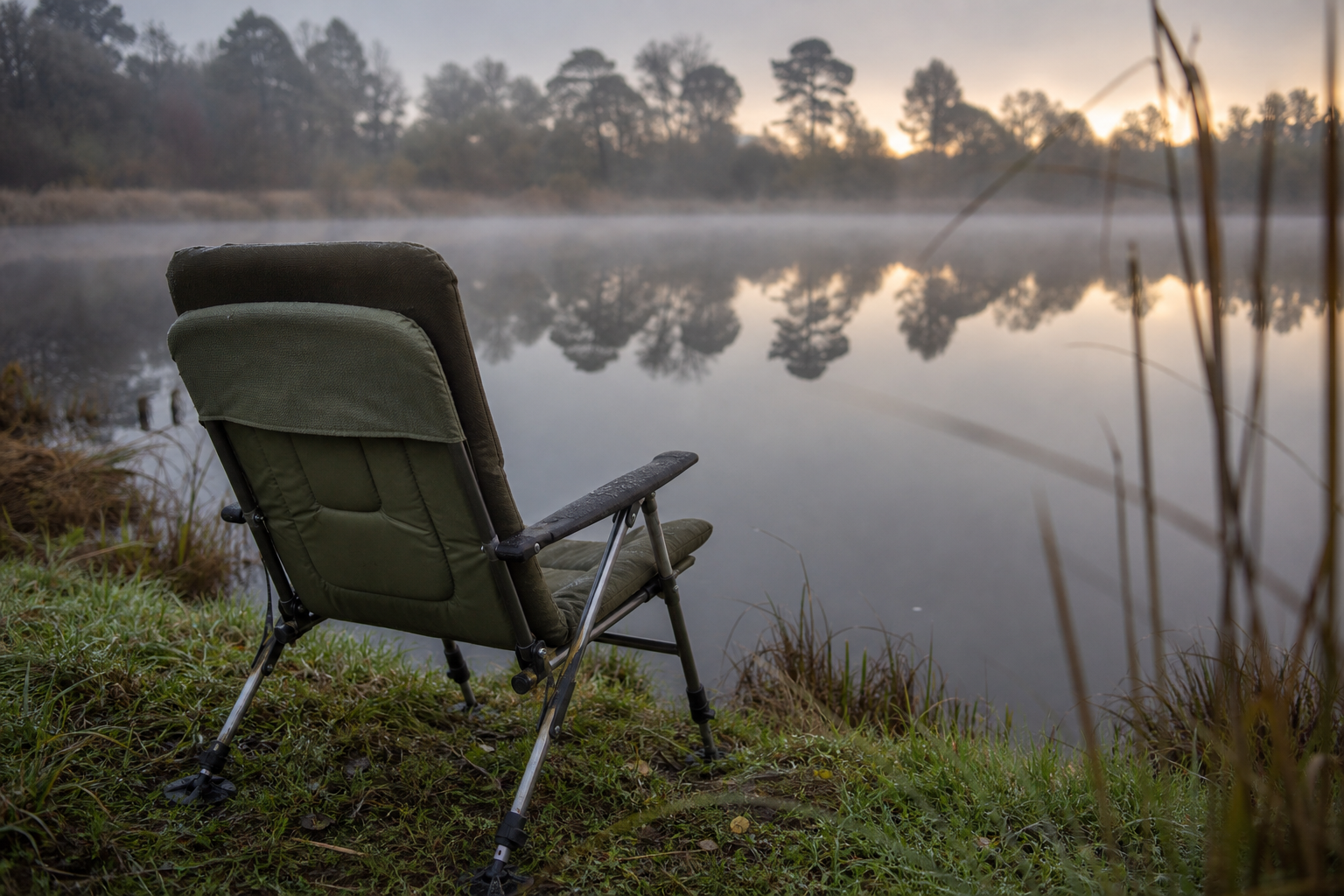
Fishing Chairs for Day Sessions: How to Choose the Right One
Practical guide to choosing a fishing chair for day sessions, covering weight, stability, adjustable legs, mud feet, padding and when to invest in a recliner or accessories.
If you want to spend a full day on the bank without carrying something that belongs in a campsite, choosing the right fishing chair for day sessions is worth thinking through carefully. This guide covers coarse and carp fishing on UK stillwaters, rivers and canals: not overnight bivvy setups, not match seatboxes, just the chairs that make a day on the bank comfortable and practical. Whether you've been using a folding camping chair and wondering if there's something better, or you're starting fresh and want to get it right first time, this should give you a clear answer.
What Makes a Good Fishing Chair for a Day Session
The core tension with any day-session chair is weight versus comfort. A chair that's light enough to carry easily over a long walk to a peg may leave you shifting uncomfortably by mid-afternoon. A heavily padded armchair is a pleasure to sit in all day, but you'll notice the extra weight every time you move swims or carry it across a car park alongside your rod holdall and tackle bag.
Stability is the other factor that tends to separate purpose-built fishing chairs from general-purpose folding seats. UK banks vary considerably: wooden platform pegs on commercial fisheries give you a solid, level surface, but natural lake margins, canal towpaths and river banks are often soft, sloping or both. A chair that sinks at one corner or tips forward on a slope becomes genuinely awkward, particularly when you're leaning forward to net a fish.
Portability matters more than it might seem at first. A fishing chair rarely travels alone. Most day anglers are carrying a rod holdall, a net, a bag or rucksack, and often an umbrella. The chair has to fit into that picture without dominating it. This is why the carry method, the folded size and the total weight all deserve attention before you buy.
The Features That Matter on a Coarse Fishing Chair
Adjustable legs and mud feet
Independently adjustable legs mean each leg can be set to a different length, which lets you level the chair on a sloping bank without wedging something under one corner. Some cheaper chairs offer linked adjustment, where two or more legs move together: this is a cost-saving compromise that works on gently uneven ground but struggles on a proper slope. If you fish natural banks regularly, independently adjustable legs are worth having.
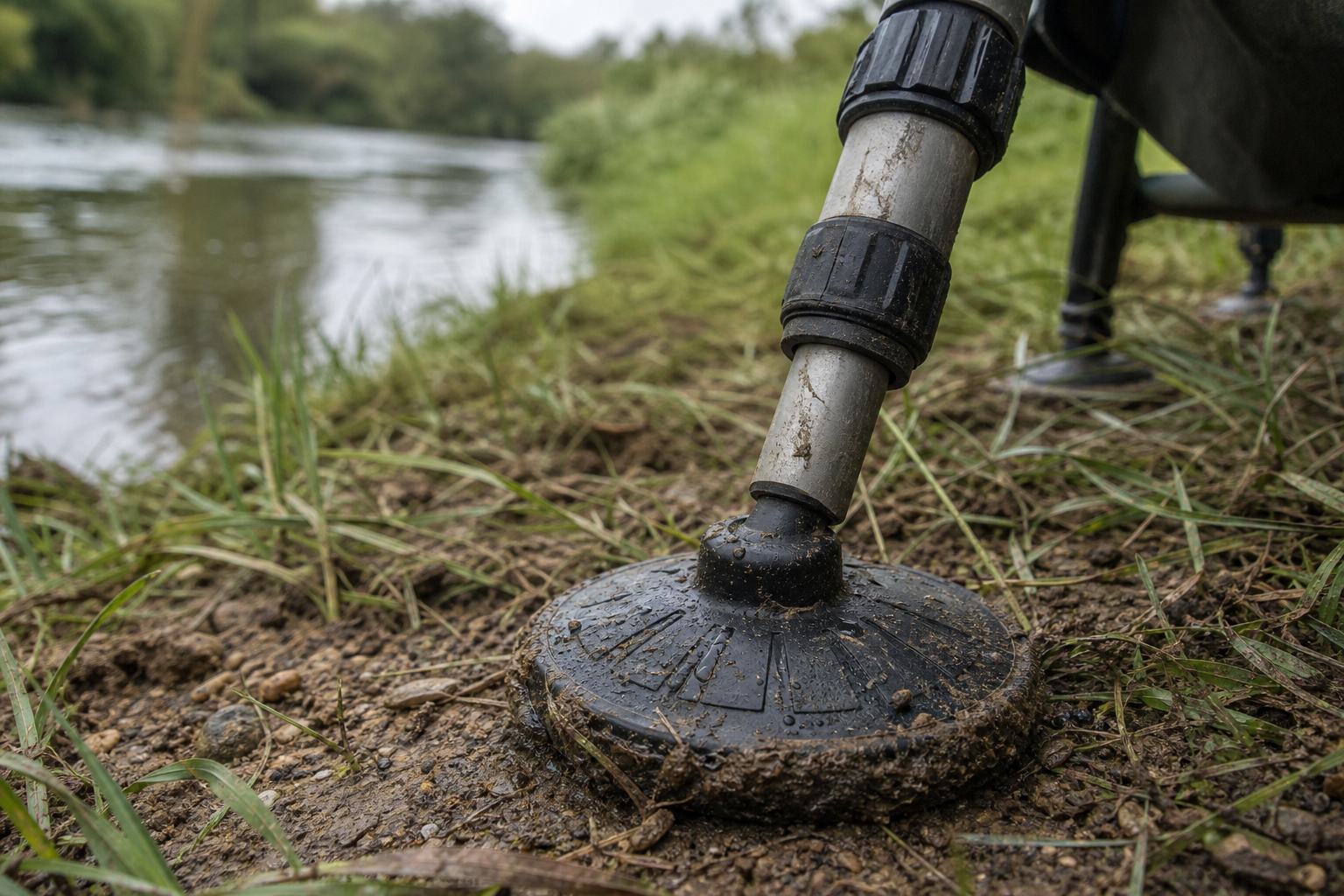
Mud feet are the wider, often rubberised feet fitted to the base of each leg. Standard rubber feet concentrate the chair's weight on a small contact point and tend to sink into soft ground over the course of a long session. Swivelling mud feet spread that weight across a larger surface and, crucially, maintain flat contact with the ground even on a slight slope rather than tipping onto one edge. On commercial fisheries with wooden or concrete platforms, the difference is less obvious. On a grass or clay bank after rain, it's significant.
Weight and how the chair carries
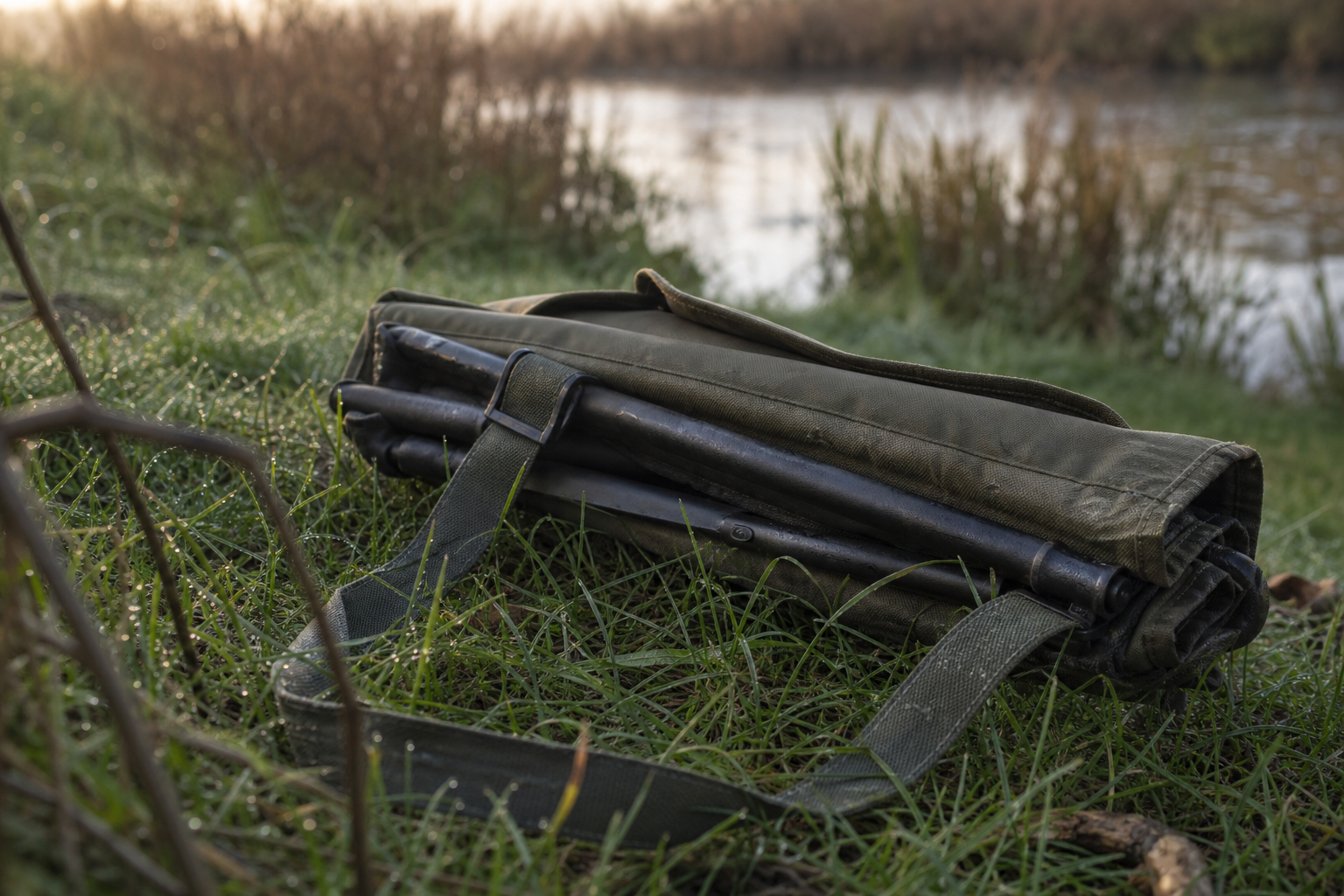
Fishing chairs for day sessions broadly split into two weight brackets. Lightweight options, typically around 3 to 4 kg, fold flat and usually come with a shoulder carry strap, so you can sling the chair over one shoulder and use both hands for other kit. Mid-weight padded chairs come in at around 5 to 7 kg and often need a dedicated carry bag or a barrow to move comfortably alongside the rest of your gear.
The practical difference becomes clear the moment you're walking any distance. If you're mobile, moving between swims or walking a stretch of canal or river, the lighter option makes life noticeably easier. If you drive to a platform peg and set up in the same spot all day, the extra weight of a padded chair is a minor inconvenience rather than a genuine problem. Think about how you actually fish, not how you imagine you might fish.
Back support and padding
There's a meaningful difference between a low-profile coarse chair with a flat padded seat and minimal back support, and a high-back armchair style with padded arms and a reclining mechanism. The right choice depends partly on how you fish.
Feeder and float fishing involve sitting upright and alert, watching a rod tip or a float. An aggressively reclined chair works against this posture. A chair with a firm, padded back at a modest angle supports you without encouraging you to slouch away from your rods. Carp fishing, particularly on a longer day session where you're waiting for the bite alarm to sound, suits a more reclined position. If you primarily fish with a method feeder or a waggler float, a high-back chair with limited recline is often a better fit than the full recliner style commonly associated with carp fishing.
Load rating and frame quality
Load ratings on fishing chairs are usually quoted between 100 kg and 180 kg. A rating of 120 to 130 kg is adequate for most anglers and represents the standard across mid-range coarse chairs. Higher ratings, around 180 kg, are relevant for larger anglers and also give an indication of overall frame quality and long-term durability.
Frame material matters for weight. Aluminium and magnesium alloy frames are lighter than steel at equivalent strength, which is why premium chairs use them. The practical point isn't really about the spec on paper: it's that a purpose-built fishing chair is designed to handle someone leaning forward to net a fish, twisting to reach a tackle bag or sitting in one position for six hours. A cheap camping chair, even one that looks similar, is built for lighter, shorter use.
Integrated accessories: useful or unnecessary?
Some fishing chairs come with a built-in side table, an umbrella arm fitting and a feeder or rod-rest arm. The value of these depends entirely on how you fish. For a static feeder angler on a commercial stillwater who would otherwise set up separate banksticks, a side tray and an umbrella arm can simplify the whole peg setup. The chair effectively replaces several pieces of kit you'd otherwise be carrying.
For a mobile angler who moves swims during a session, the integrated arms offer little benefit and add a roughly 1 to 1.5 kg weight penalty compared to an equivalent bare chair. They can also catch on things while you're carrying the chair, which is a minor but genuine irritation. These chairs suit a specific kind of static, organised fishing. They're not a universal upgrade.
| Feature | Why it matters | Worth paying for? |
|---|---|---|
| Adjustable legs with mud feet | Levels the chair on slopes; stops it sinking in soft ground | Yes, for natural banks |
| Weight under 4 kg | Easier to carry alongside rod holdall and bag | Yes, if you move swims or walk far |
| High back and armrests | Reduces fatigue over a full day | Yes, for static sessions |
| Load rating 120 kg+ | Frame confidence for heavier anglers or long-term use | Relevant if over 100 kg |
| Integrated side table or arm | Keeps bait and rigs within reach without extra kit | Optional, suits feeder fishing |
| Recline mechanism | Useful for relaxed carp sessions, less so for float or feeder | Optional |
Fishing Chairs Worth Considering for Day Sessions
The options below represent distinct use cases rather than a comprehensive catalogue of every available model. They've been chosen to cover the realistic range of what most UK day anglers actually need, from a lightweight chair for mobile fishing to a well-padded armchair for a full day on a stillwater platform. Where a single product is the clearest example of a type, it's named; where several brands offer comparable options, the category is described instead. These recommendations are based on research and product specifications, not first-hand testing.
A lightweight coarse chair for mobile day fishing
The Wychwood Tactical X Compact is a useful example of what a lightweight fishing chair for day sessions looks like in practice. It weighs around 3.5 kg, folds flat with a shoulder strap for carrying and includes swivelling mud feet. Padding is minimal: you get a flat padded seat and a low back support, which suits shorter sessions or anglers who move swims regularly and want something they can pick up and shift without effort.
The main limitation is straightforward: it's not an all-day comfort option if you want armchair-level support. After several hours, the absence of padded arms and a high back becomes noticeable. For mobile anglers, or those whose sessions are four hours rather than eight, that's a reasonable trade-off. Rough price bracket: £50 to £60.
A mid-range padded armchair for stillwater sessions
Brands including Preston, Matrix, Guru, Daiwa and Nytro all produce padded coarse armchairs in a broadly similar format: adjustable legs with mud feet, a padded seat and padded back, armrests and a weight of around 4 to 6 kg. These are built for static fishing on stillwaters and commercial fisheries, where you're settled into one peg for most of the day and comfort over several hours matters.
The recline on these chairs is modest, which suits float and feeder fishing well. They're not designed for the fully reclined posture of a dedicated carp chair, and they're not trying to be. The main limitation is weight: they're noticeably heavier than a lightweight coarse chair, and most need a carry bag rather than a simple strap. For a day-ticket angler driving to a commercial fishery and setting up on a platform, that's rarely a problem. Rough price bracket: £70 to £90.
A premium recliner for long, relaxed day sessions
The Fox Super Deluxe Recliner represents the top of the day-session chair range for most anglers. It uses a magnesium alloy frame, has deep padding throughout, a high back, a substantial recline and a maximum load of 150 kg. Adjustable legs are included. It's built to be comfortable over a very long day and is capable of crossing into occasional overnight use.
It's the right choice for an angler who fishes one peg all day and places comfort above all else, or for a larger angler who wants the higher load rating and the confidence that comes with heavier-duty construction. It's overkill for a mobile day session or someone who primarily fishes shorter stints. It's heavier and bulkier than most coarse armchairs, and it's more kit than a day session strictly requires for many anglers. Rough price bracket: £100 and above.
A multi-function chair with integrated accessories
Several UK retailers stock chairs that combine a padded coarse armchair with a built-in side table, an umbrella arm fitting and a feeder rest arm. The exact models and brands change seasonally, but they're widely available at around £80.
The appeal is a compact, organised peg setup without separate banksticks or a side tray on a tripod. Everything is attached to the chair. For a feeder angler who fishes the same style of peg week after week, the convenience is genuine. The limitations are equally genuine: these chairs typically weigh around 5 kg or more, and the attached arms can snag on vegetation, other kit or the car boot when you're carrying or loading. They suit a specific way of fishing rather than general day-session use.
| Type | Best for | Approx. UK price | Main limitation |
|---|---|---|---|
| Lightweight coarse chair (e.g. Wychwood Tactical X Compact) | Mobile anglers; shorter sessions | £50–£60 | Minimal padding |
| Padded coarse armchair (Preston, Matrix, Guru etc.) | Static stillwater or feeder fishing | £70–£90 | Heavier than lightweight options |
| Premium recliner (e.g. Fox Super Deluxe) | All-day comfort; larger anglers | £100+ | Bulky to carry |
| Multi-function chair with accessories | Feeder anglers wanting a compact peg | Around £80 | Heavier; arms can snag |
How Much Should You Spend on a Fishing Chair?
For most day anglers, the honest answer is somewhere between £70 and £90. That bracket covers a purpose-built coarse armchair with independently adjustable legs, swivelling mud feet and adequate padding for a full day's session. It's enough to see a clear improvement over a camping chair without spending more than the fishing warrants.
Below £50, you're mostly looking at camping chairs repackaged for fishing or basic stools without the features that make a real difference on UK banks. Above £100, you're buying comfort upgrades, heavier-duty frames and, in some cases, construction that's built to handle occasional overnight use as well as day sessions. That extra investment makes sense for some anglers. It doesn't make sense for everyone.
Camping chairs and fishing chairs
A standard camping chair will get you on the bank, but it rarely has independently adjustable legs, wide mud feet or a load rating tested for leaning forward while playing a fish. On soft or sloping ground, the difference becomes obvious quickly.
Matching the Chair to Where You Fish
The kind of chair that makes sense depends partly on the venues you fish, and UK day-ticket waters vary more than a single recommendation can cover.
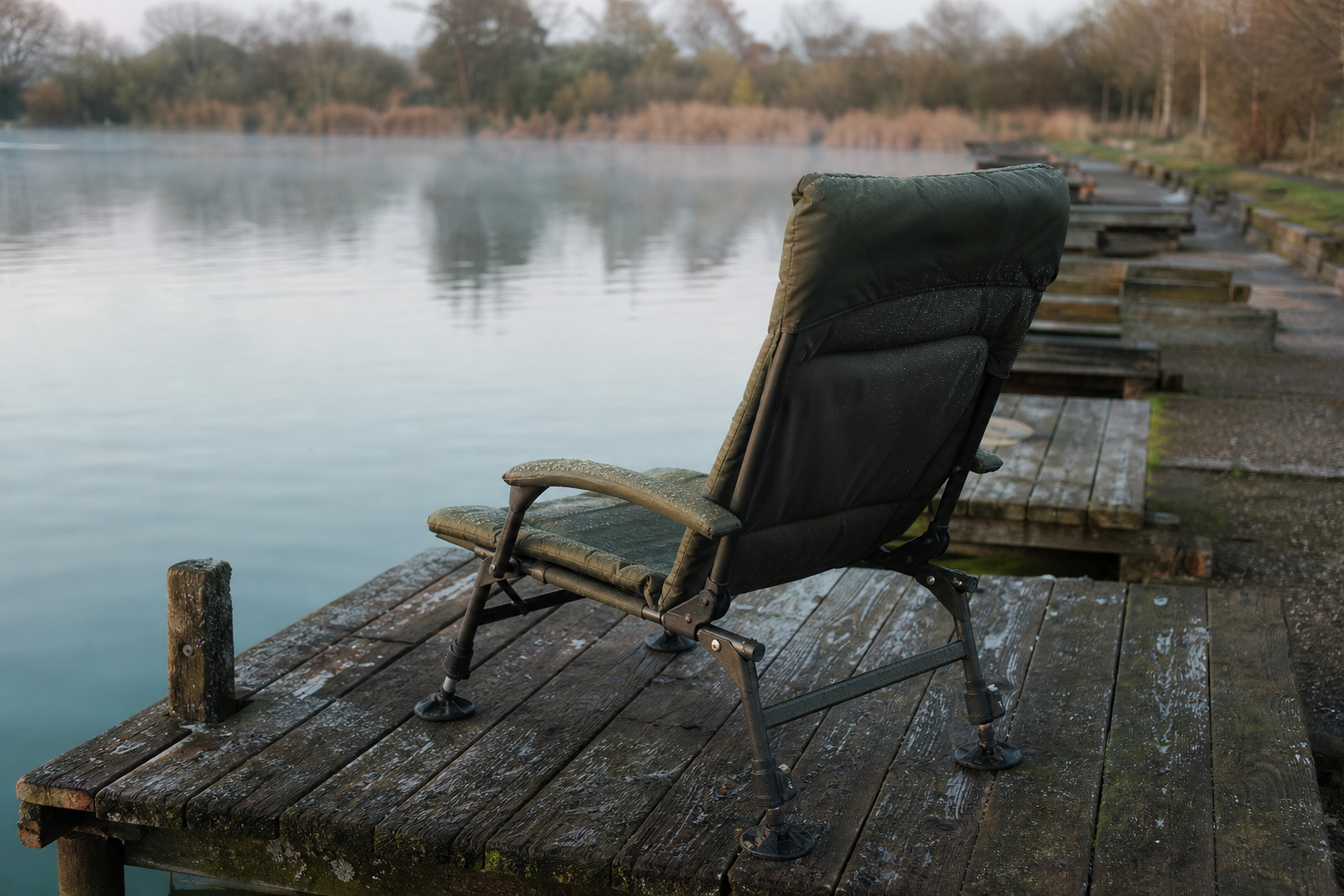
On commercial stillwaters with wooden platform pegs or level concrete stands, you have a solid, flat surface to work with. A heavier padded armchair or a multi-function chair with accessories is perfectly manageable because carry distance is usually short and the ground isn't going to move under you. This is also where you'll do most of your day-ticket fishing in spring, particularly if you fish in England or Wales where the river close season runs from 15 March to 15 June and running water is off limits. Stillwaters and canals are the main options during those months.
On natural lake and reservoir banks, the ground is often softer and the bank is rarely perfectly level. This is where adjustable legs earn their place and swivelling mud feet make a genuine difference. A lighter chair is also worth considering here if you move around during the session looking for fish, since you may be carrying everything further between swims.
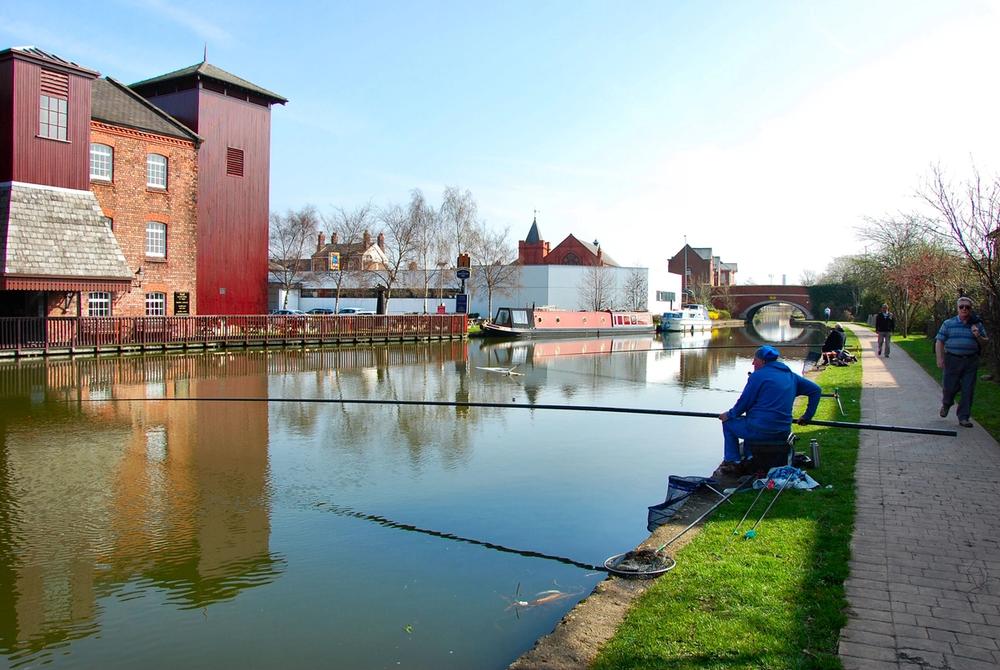
Canal towpaths and river banks sit somewhere in between. Canal banks tend to be grassy and reasonably firm, with enough consistency to manage on a mid-range chair. River banks vary considerably: some are flat and solid, others are steep, soft or both. Neither setting demands anything highly specialised, but the combination of stability and portability matters more than it does on a managed platform peg. If you fish rivers in England and Wales, remember the close season runs until 15 June on most rivers: canals and stillwaters are the places to be in spring.
A Few Practical Points Before You Buy
- Try before you buy if you can. Local tackle shops often have floor stock you can sit in. Two minutes in a chair tells you more than a spec sheet, particularly about back height and padding firmness.
- Check the folded size. Some chairs fold flat and fit easily in a car boot or alongside a rod holdall. Others fold into an awkward cylinder that needs its own space. Measure your boot if you're not sure.
- Think about how you carry kit. If you use a barrow or trolley, weight matters much less. If you carry everything on your shoulder or in your hands, keep total kit weight in mind when choosing.
- Consider where your fishing might go in the next year or two. If you're likely to move into longer carp sessions, a mid-range recliner now avoids having to buy again in twelve months. If you're committed to short pleasure sessions, don't buy more chair than you need.
- Check current availability and pricing at the time of purchase. Product ranges change seasonally and what's in stock varies between retailers. The price brackets in this article reflect the market at the time of writing, but specific models come and go.
Frequently asked questions
How heavy should a fishing chair for day sessions be?
Choose by how mobile you are. Lightweight chairs (about 3–4 kg) suit anglers who move swims. Mid-weight padded chairs (5–7 kg) are better for static stillwater sessions where comfort matters more than carry distance.
Are adjustable legs and mud feet necessary?
For natural, soft or sloping banks they are very helpful. Independently adjustable legs level the chair on slopes and swivelling mud feet spread weight and stop the chair sinking. On flat wooden platforms they are less critical.
What type of back support and padding is best?
Match the chair to your style. Feeder and float anglers benefit from a firm, modestly angled back. Carp anglers or those wanting to recline for long sessions should choose a higher back and deeper padding or a recliner.
How much should I spend on a day-session fishing chair?
For most day anglers £70 to £90 buys a purpose-built coarse armchair with adjustable legs, mud feet and good padding. Under £50 you get basic camping chairs. Above £100 buys premium recliners or heavier duty frames.
Are chairs with built-in trays and arms worthwhile?
They are convenient for static feeder anglers who want an organised peg, but they add weight and can snag. Mobile anglers will likely prefer a simpler, lighter chair.

Lake & Lines Editorial Team
Editorial team
The Lake & Lines editorial team brings together freshwater fishing guides and researched tackle advice, helping beginners and returning anglers prepare for better days by the water.