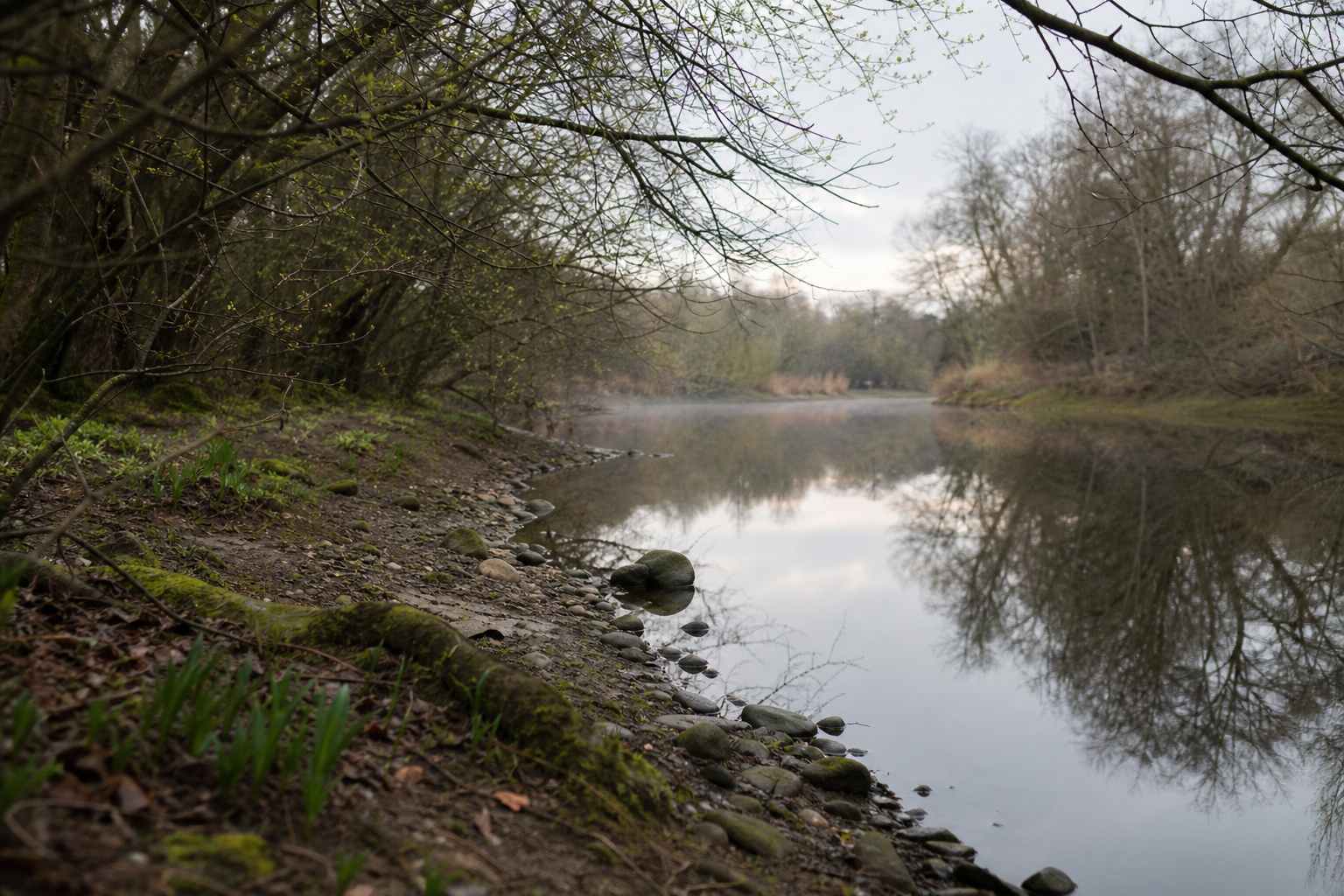
The coarse fishing close season explained
A clear guide to the coarse fishing close season in England and Wales: key dates, which waters are affected, stillwater exceptions, canal rules, and enforcement advice.
At a Glance
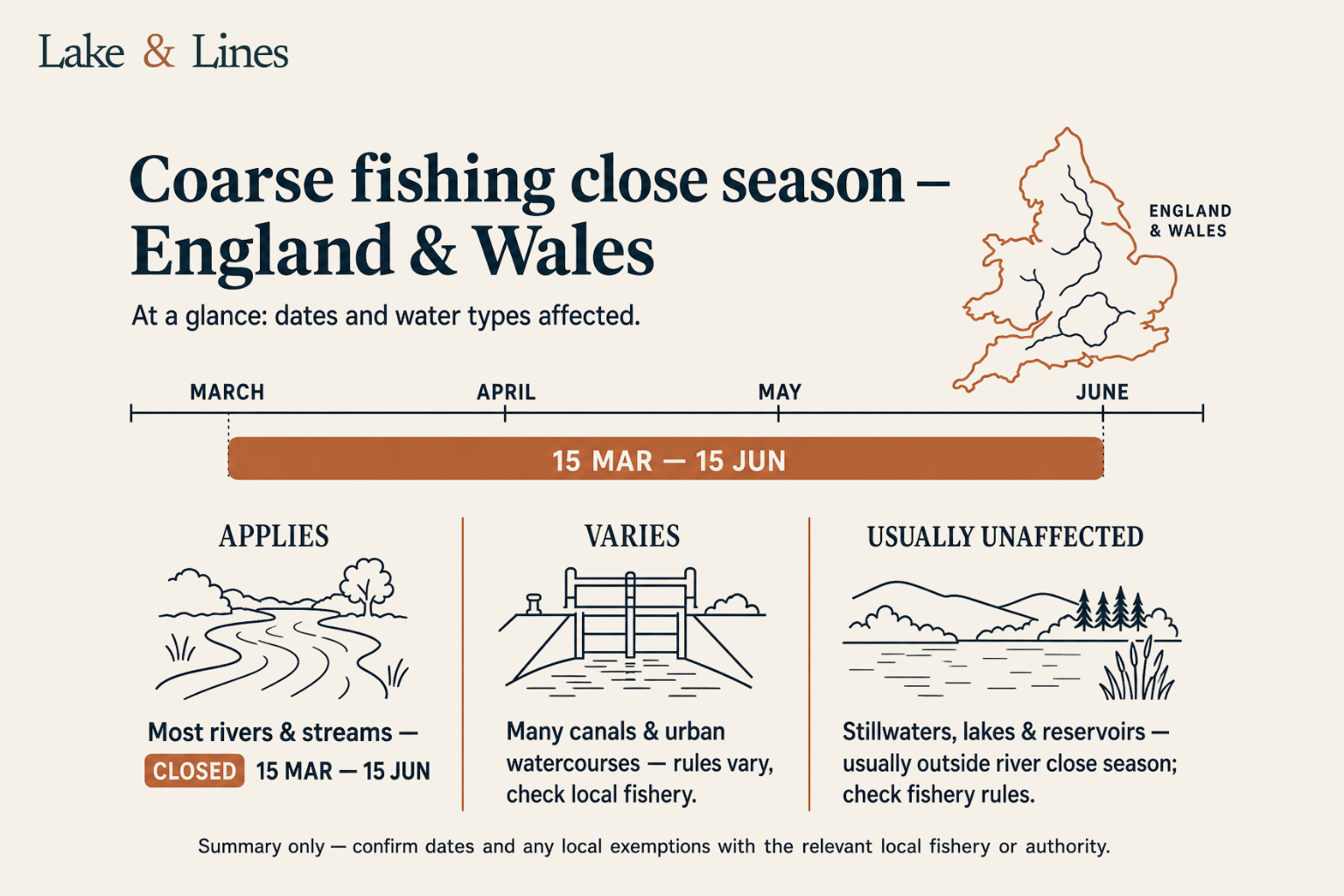
- Close season runs 15 March to 15 June inclusive for all rivers, streams and drains in England and Wales; rivers reopen on 16 June.
- Most stillwaters are not subject to the statutory close season but SSSI waters and individually named byelaw waters are closed.
- Fishery owners may set their own spring closures and rules, so check a lake or commercial venue before visiting.
- Canal coverage varies by stretch and region; confirm status via national and regional rod fishing byelaws or the navigation authority.
- Enforcement is active around opening and closing dates. Carry your rod licence and check waters before you go to avoid penalties.
The coarse fishing close season closes rivers, streams and drains in England and Wales to coarse angling from 15 March to 15 June each year, with both of those dates included in the closed period. Most stillwaters are not covered by the statutory rules and remain open throughout. This article explains exactly which waters are affected, what the dates mean in practice, and what you can do if you want to keep fishing during the spring.
What the close season is and why it exists
The close season is a legally defined period during which coarse fishing is prohibited on specified waters. It is not a voluntary arrangement or a fishery preference; it is set in law through national byelaws, and it applies regardless of whether a fishery owner would prefer to stay open.
The reason it exists is straightforward: coarse fish spawn in spring. Species such as roach, bream, tench, carp, perch and pike gather in shallow water to breed, often in the same marginal areas where anglers would otherwise be fishing. At this point they are concentrated, stressed by the biological demands of spawning, and more vulnerable to the additional pressure of being caught and handled. The close season gives them space to complete that process and recover from it without disturbance. It is a conservation measure that most experienced anglers support, and it is one of the reasons coarse fisheries in England and Wales remain in reasonable health.
River close season dates for England and Wales
The statutory close season for rivers runs from 15 March to 15 June inclusive. "Inclusive" means that both of those boundary dates are part of the closed period. You cannot fish a river on 15 March, and you cannot fish a river on 15 June. The first day you can legally return to rivers is 16 June.
This applies to all rivers, streams and drains in England and Wales. The navigable waterways of the Norfolk and Suffolk Broads are also covered. You do not need to look up individual rivers to confirm this; the closure is nationwide and applies to all of them.
The dates are confirmed and unchanged in the national and regional rod fishing byelaws currently in force. You can verify them directly via the rod fishing rules on GOV.UK.
16 June is known informally as opening day, and popular river stretches can be noticeably busier than usual on that morning. If you are planning your first river session, it is worth bearing that in mind.
Close season at a glance
- Close season opens
- 15 March
- Close season closes
- 15 June
- Season reopens
- 16 June
- Waters covered
- Rivers, streams and drains
No coarse fishing from this date
Both dates are included in the closed period
First day you can return to rivers
England and Wales only
What about stillwaters and canals?
This is where most confusion arises. The rules that apply to rivers do not automatically apply to every type of water, and the position is different depending on whether you are looking at a lake, a reservoir, a pond or a canal.
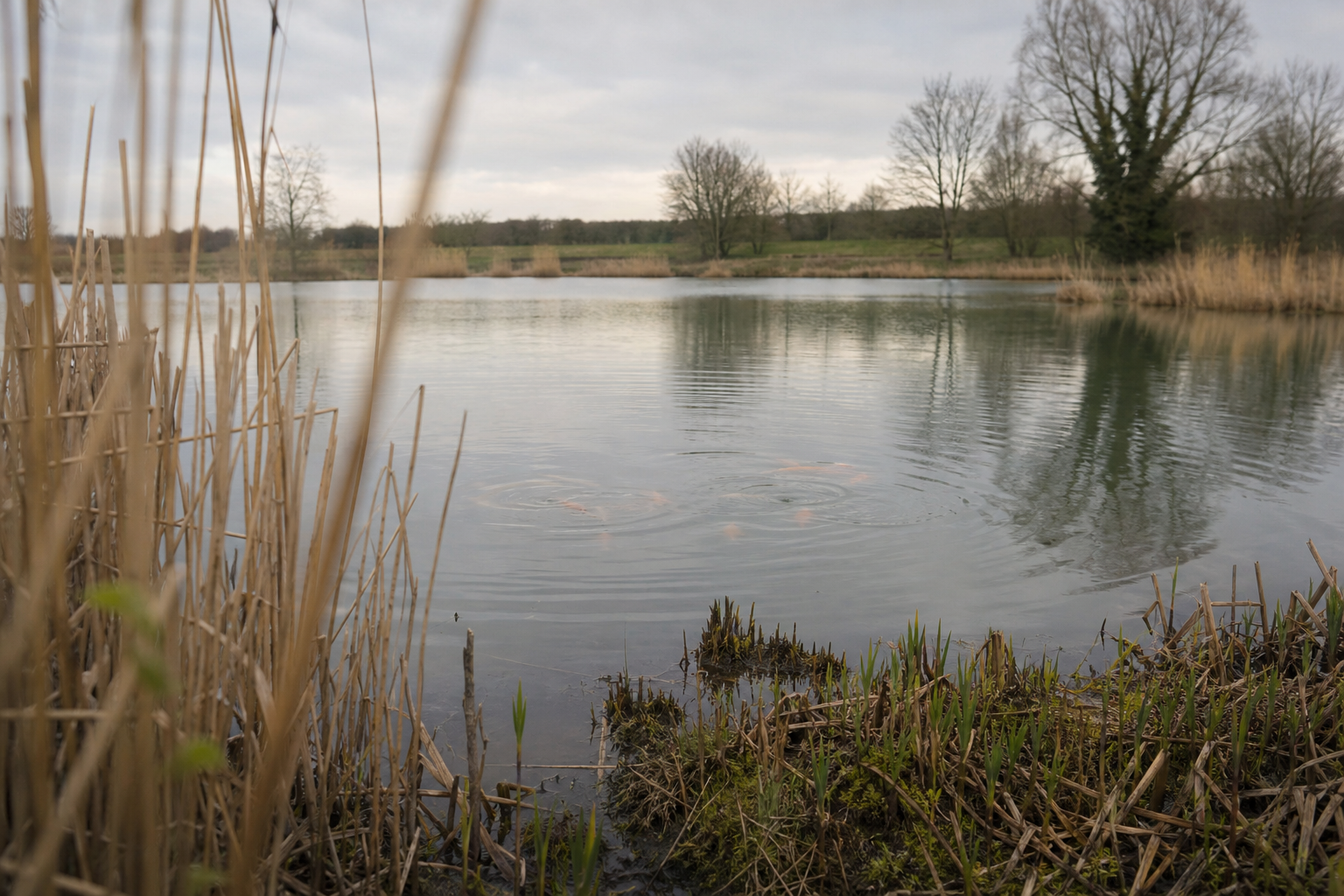
Stillwaters (lakes, reservoirs and ponds)
The national statutory close season was removed from most stillwaters in 1995, and that position remains in force. Most commercial fisheries, club lakes, reservoirs and ponds have no statutory coarse close season. If you fish a commercial carp lake or a club pleasure lake, it is almost certainly open during the March to June period under the statutory rules.
There are two exceptions worth knowing about. First, stillwaters with a Site of Special Scientific Interest (SSSI) designation carry the same 15 March to 15 June statutory closure as rivers. Second, any water individually named in national or regional byelaws is also subject to that closure. Most anglers will not fish these waters regularly, but the exception is real and worth checking if you are unsure about a particular venue.
The other important distinction is between statutory rules and fishery rules. A fishery owner can impose their own non-statutory closed period on any water they manage, regardless of what the statutory rules say. Some fisheries choose to close in spring to let their fish recover; others may restrict certain pegs or methods during spawning. That decision sits with the fishery, not with the Environment Agency. Before visiting any water during spring, check the fishery's own rules directly, whether that means looking at their website, calling ahead or speaking to a bailiff. Do not assume a stillwater is open simply because the statutory rules do not cover it.
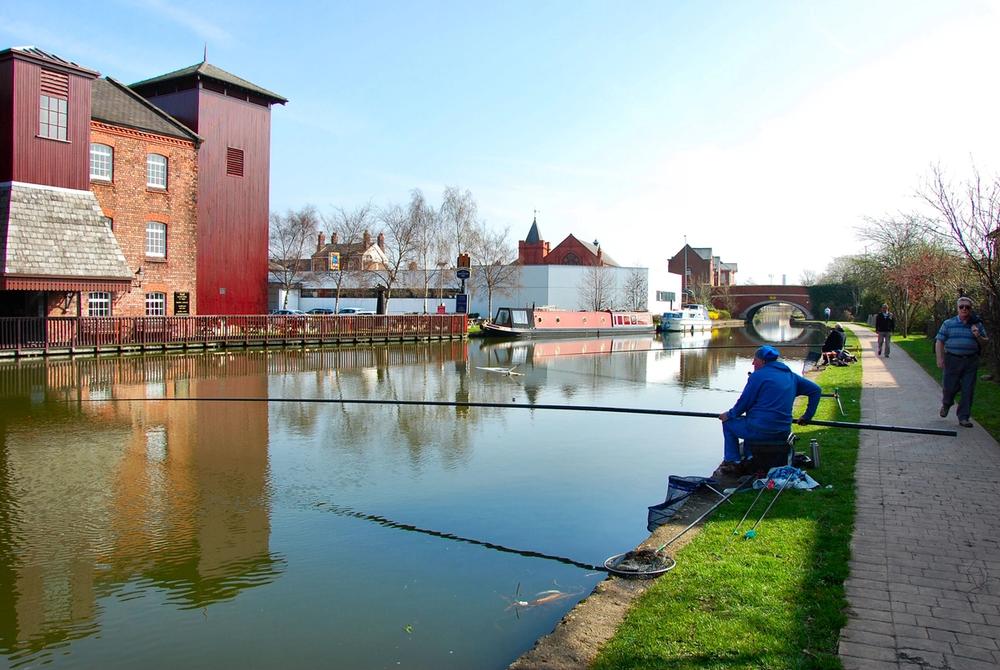
Canals and navigations
Canals are not a uniform category for close-season purposes, and this is the area where anglers most often catch themselves out.
Some stretches of canal carry a statutory coarse close season (the same 15 March to 15 June dates as rivers); others have no statutory close season at all. Which category a particular stretch falls into is determined by regional byelaws, not by any general rule about canals as a whole. You cannot assume a canal is open because it is not a river.
To find out whether a specific stretch of canal is covered, check the national and regional rod fishing byelaws published on GOV.UK. If you are uncertain, contact the Canal and River Trust or the relevant navigation authority for the area you plan to fish.
| Water type | Statutory close season? | What to check |
|---|---|---|
| Rivers, streams and drains | Yes – 15 March to 15 June inclusive | No further check needed; closure applies nationwide in England and Wales |
| Most lakes, reservoirs and ponds | No statutory close season | Check the individual fishery's own rules |
| SSSI stillwaters | Yes – 15 March to 15 June inclusive | Check whether your water carries SSSI designation |
| Canals and navigations | Varies by stretch and region | Check national and regional rod fishing byelaws on GOV.UK |
A note on Scotland and Northern Ireland
Everything described in this article applies to England and Wales only. Scotland and Northern Ireland operate under entirely separate regulatory systems, with their own byelaws, licensing arrangements and authorities. If you are planning to fish in Scotland or Northern Ireland in spring, do not apply the England and Wales rules and assume they transfer. Consult the relevant national authority before you go.
What about trout and salmon?
Salmon, sea trout and non-migratory trout have their own close seasons, which follow different dates and different rules from those that apply to coarse fish. The two are not the same, and they should not be treated as interchangeable.
Rainbow trout on enclosed stillwaters generally have no statutory close season, but this depends on the specific water and how it is managed. If you are fishing a water where trout are present alongside coarse fish, the rules for each species may differ.
If you are targeting trout or salmon, check the species-specific byelaws for those fish and for the specific water you intend to fish. The rules vary by species, by water type and sometimes by region. The coarse fish close season described in this article does not determine what is permitted for game fish.
Using the close season well
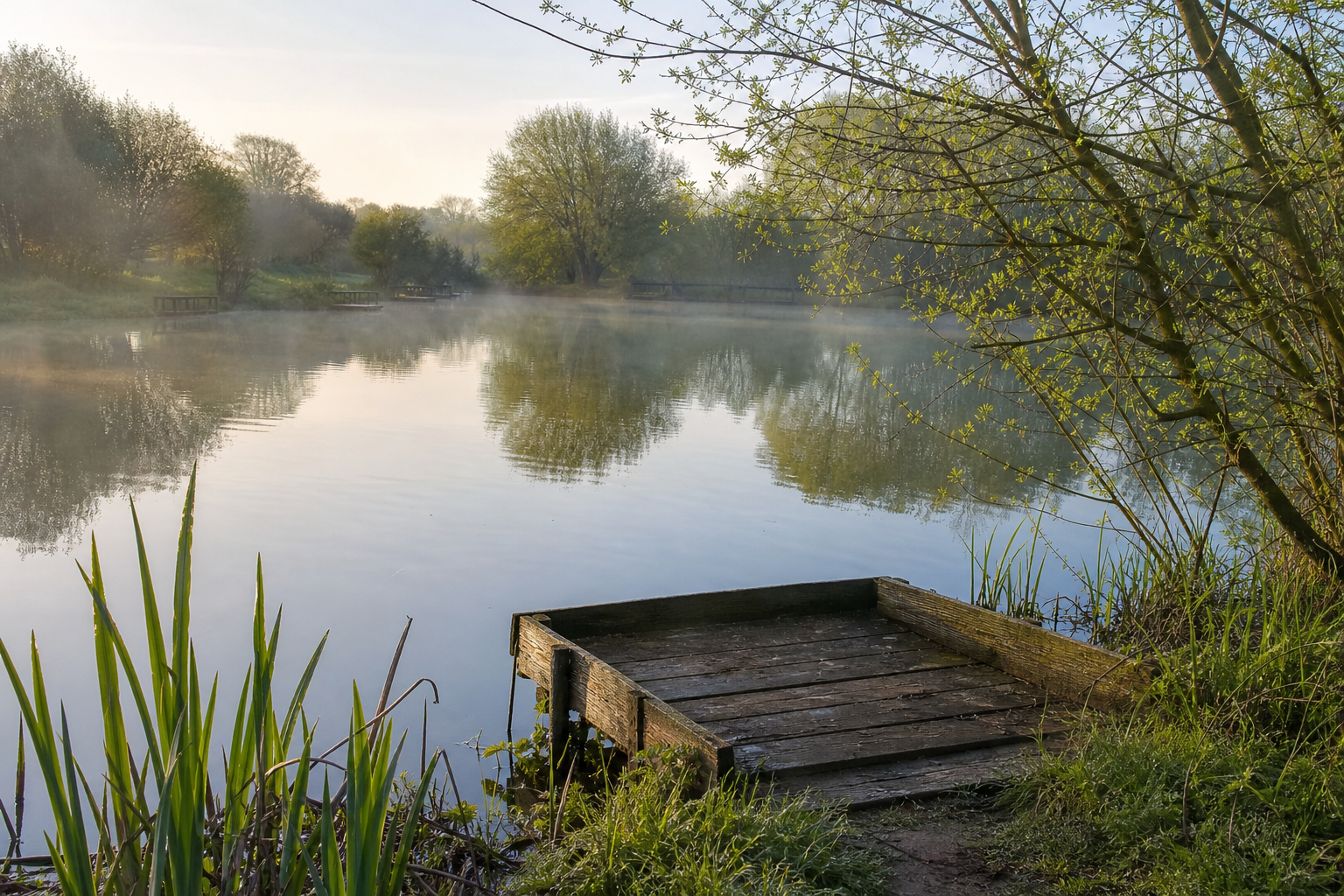
The close season on rivers does not mean coarse fishing stops entirely. Commercial and club stillwaters that are lawfully open during this period offer a straightforward alternative, and many anglers find spring one of the more productive times to fish a lake, with tench and carp becoming increasingly active as the water warms.
If you use the period away from rivers, it is also a useful time to work on skills that do not require a bank. Tying rigs at home, practising knots, reviewing your float shotting or getting familiar with a new piece of kit costs nothing and pays off when the season reopens.
Whatever water you choose to fish during the close season, check the specific venue first. Even if a commercial fishery has no statutory close season, it may have its own rules about pegs, methods or access during spring. A quick check before travelling saves wasted trips.
Spawning fish on open stillwaters
Even if your commercial lake has no close season, you may see fish spawning in the margins from late spring. It is worth giving obvious spawning activity a wide berth. Landing and handling fish that are in spawn or recovering from it causes unnecessary stress. Most fishery rules ask you to do this anyway.
On any open water during spring, standard fish-care practices remain important. Use an appropriate landing net and unhooking mat, keep fish out of the water for the shortest time possible, and check the fishery's rules on keepnets, as some venues restrict or prohibit their use during the spawning period.
Enforcement and what happens if you fish illegally
The Environment Agency enforces the close season actively, and the period around 15 March and 16 June sees increased patrol activity on rivers and other affected waters. Enforcement officers check licences and verify compliance, and they have the authority to act on anyone found fishing where they should not be.
Fishing during the close season on a closed water is a criminal offence. Penalties can include a substantial fine, and any issues that arise can affect your rod licence. Carry your rod licence whenever you are fishing, and be prepared to show it to a bailiff or Environment Agency officer on request. If you are uncertain whether a water is open, check before you go rather than after.
Frequently asked questions
When does the coarse fishing close season run?
The statutory close season runs from 15 March to 15 June inclusive. You cannot fish rivers on those dates. The first legal day to return to rivers is 16 June.
Which waters are covered by the close season?
All rivers, streams and drains in England and Wales are covered, including the navigable Broads. Stillwaters and canals are not uniformly covered and depend on designation or local byelaws.
Are lakes, reservoirs and ponds open during the close season?
Most stillwaters have no statutory close season and remain open. Exceptions are waters designated SSSI or waters named in byelaws. Fishery owners can also impose their own spring closures, so check the venue.
What about canals and navigations?
Canal coverage varies by stretch and region. Some stretches carry the 15 March to 15 June closure while others do not. Check national and regional rod fishing byelaws or contact the navigation authority.
What happens if you fish illegally during the close season?
Fishing on a closed water is a criminal offence. Enforcement officers from the Environment Agency can issue fines and take action that may affect your rod licence. Always carry and be prepared to show your rod licence.
Lake & Lines Editorial Team
Editorial team
The Lake & Lines editorial team brings together freshwater fishing guides and researched tackle advice, helping beginners and returning anglers prepare for better days by the water.